
Blog
Peptide Science Kentucky

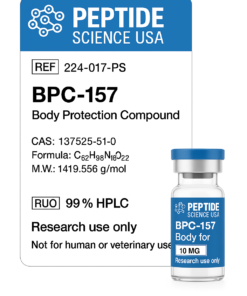
When one thinks of Kentucky, the images that typically come to mind are rolling horse farms, the thunderous excitement of the Derby, and the distinct aroma of bourbon aging in charred oak barrels. However, beneath this veneer of tradition, Peptide Science Kentucky is quietly engaged in a cutting-edge scientific conversation regarding peptide science.
From the research laboratories of the University of Louisville to the regulatory frameworks set by the Kentucky Administrative Regulations (KAR), the Commonwealth finds itself at a fascinating crossroads. It is a place where the global demand for peptide research meets one of the most stringent athletic anti-doping regimes in the country. For researchers, healthcare professionals, and athletes living in Kentucky, understanding the legal and scientific boundaries of this rapidly evolving field is essential.
The Science of Short Chains
To understand the regulatory anxiety surrounding peptides, one must first appreciate their biological power. Peptides are short chains of amino acids, the “building blocks” that form proteins. While proteins are large, complex molecules, peptides are smaller and more accessible to modern synthesis techniques .
In the realm of clinical research, peptides are revolutionary. Because they can act as signaling molecules in the human body, they hold the key to targeted therapeutic interventions. Researchers at Kentucky’s biotech incubators are exploring peptides for their potential in metabolic regulation, immune system modulation, and anti-aging therapies.
However, the same mechanisms that make peptides valuable for healing also make them attractive for performance enhancement. A peptide that signals the body to release growth hormone could theoretically heal a torn muscle—but it could also provide an unfair advantage to a boxer in Louisville or a mixed martial artist in Lexington. This duality is the heart of the current regulatory dilemma.
Kentucky’s Regulatory Stance: The Combat Sports Code
While the federal Food and Drug Administration (FDA) oversees the legality of substances for sale and consumption, Kentucky has taken a particularly aggressive stance regarding their use inside the ring or cage. This is codified explicitly in Title 201, Chapter 27, Regulation 023 of the Kentucky Administrative Regulations.
This regulation, which governs drug testing for combat sports (boxing, kickboxing, MMA, and wrestling), explicitly names “Peptide hormones, growth factors, and related substances and mimetics” as prohibited substances .
What makes Kentucky’s regulation particularly robust is the timing of the prohibition. While some jurisdictions only ban substances “in-competition” (the day of the fight), Kentucky aligns with the World Anti-Doping Agency (WADA) Prohibited List to ban these peptides both in-competition and out-of-competition .
For a fighter living in Kentucky, this means that using a peptide to recover from an injury during a training camp three months before a fight is just as illegal under state athletic rules as using it on fight night. The Kentucky Boxing and Wrestling Authority has effectively closed the “off-season” loophole.
The Problem with “Research Only”
One of the most contentious issues in modern peptide science is the proliferation of “research peptides.” These are chemical compounds sold by manufacturers like Peptide Scientific Inc., often labeled with a disclaimer stating, “For laboratory use only. Not for human consumption.”
These companies provide essential services to legitimate biochemists. A scientist at a Kentucky university needs access to custom peptide sequences to study disease pathways. However, the accessibility of these same molecules via the internet has created a gray market.
A recent analysis of the peptide industry noted the shutdown of major vendors like Peptide Sciences, which many experts attribute to increasing FDA scrutiny regarding the marketing of unapproved drugs . The legal reality is stark: placing a “research only” label on a vial does not provide legal immunity if the product is being shipped to an individual’s home for personal use.
If a peptide is intended to diagnose, treat, or prevent disease—or alter human physiology—the FDA generally classifies it as a drug. If it hasn’t gone through the agency’s rigorous New Drug Application (NDA) process, it is, by definition, an unapproved new drug .
The Industry Breakdown: Manufacturing vs. Doping
To fully grasp the Kentucky perspective, one must distinguish between legitimate peptide science and the black market for doping.
- The Legitimate Supply Chain
Kentucky is home to several specialized logistics and research firms that rely on synthetic peptides for diagnostic tools. These entities purchase from certified manufacturers like Peptide Scientific Inc., which utilize “state-of-the-art facilities and rigorous quality control processes” to ensure purity and consistency . For these researchers, peptides are reagents—tools used to ask scientific questions. - The Doping Application
This is the primary target of KAR 27:023. When misused, these molecules act as hormone modulators. In the competitive environment of Kentucky combat sports, they fall into the category of gene doping or chemical manipulation. The Kentucky Administrative Regulations explicitly list “Growth Hormone Releasing Peptides” (GHRPs) and their analogues as banned substances .
Legal Exposure in the Modern Era
For the average Kentucky resident interested in fitness or recovery, the legal risks of sourcing peptides outside of a physician’s prescription are rising.
Marketing as a Litmus Test
Regulators often look not just at the product, but at the “marketing language” and “social media promotion” surrounding a compound . A company selling a peptide for “research” but advertising it with language about “muscle gain” or “fat loss” is effectively admitting that they know the compound is intended for human use, making them liable for FDA enforcement actions.
The “Unapproved Drug” Risk
If a Kentucky resident orders a vial of BPC-157 (a popular research peptide for gut healing) from an online vendor, they are technically importing an unapproved drug. While the DEA and FDA have historically focused on suppliers, the current legal environment—exemplified by the shutdown of major peptide vendors in 2025 and 2026—suggests that state athletic commissions are taking a harder line on possession and use by licensed athletes .
The Future of Peptide Science in Kentucky
Looking ahead to the remainder of 2026 and beyond, the trajectory of peptide science in Kentucky is likely to move toward greater regulation.
For the state’s animal health sector—a massive industry given Kentucky’s equine focus—peptide research remains vital and legal. Therapeutic peptides for veterinary use are a booming scientific field that does not conflict with human athletic doping regulations.
However, for the human athlete, the pathway is narrowing. The shutdown of major online suppliers is fragmenting the grey market, making it more dangerous for consumers who may now turn to unregulated, potentially unsafe black-market sources .
Recommendations for Residents
· For Researchers: Ensure you are ordering from vendors who explicitly verify your institutional credentials and business license. Maintain clear records that the peptides are for in-vitro (test tube) or animal studies only.
· For Athletes: Be aware that under 201 KAR 27:023, ignorance is not a defense. The Prohibited List is adopted by reference, and peptides are banned year-round. A supplement bought online labeled as a “research chemical” could end your career and result in a suspension of your license.
· For Healthcare Practitioners: Stay informed about which peptides have actually received FDA approval versus those still in the research phase. Prescribing a research chemical to a patient is a liability minefield that could implicate state medical boards.
Conclusion
Peptide science represents the frontier of molecular medicine—a frontier that passes directly through Kentucky. The Commonwealth has the intellectual infrastructure to support legitimate peptide research, driving innovation in bioscience and veterinary medicine.
Yet, Kentucky has also drawn a hard line in the sand for its athletes. The message of Title 201 is clear: the pursuit of athletic excellence must remain separate from the manipulation of peptide hormones. As the federal government increases pressure on the unregulated peptide market, the “Bluegrass State” stands as a case study in the tension between scientific progress and regulatory integrity. Whether in the lab or the ring, the rule in Kentucky remains the same—context is everything, and compliance is mandatory.