
Blog
Peptide Science Missouri

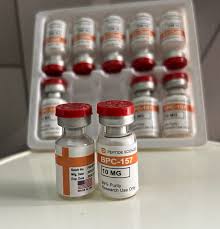
When the global biotechnology community maps the centers of peptide research, the usual landmarks appear: the venture capital corridors of Kendall Square, the research parks of the San Francisco Bay Area, and the pharmaceutical strongholds of New Jersey. Missouri rarely appears on such maps. Yet beneath the radar of the coastal biotech press, the Show-Me State has quietly assembled one of the most sophisticated and productive peptide science ecosystems in the United States. With roots stretching back three decades and capabilities ranging from fundamental spectroscopy to clinical-scale synthesis, Missouri is not merely participating in the peptide revolution—it is helping to lead it.
The story of peptide science Missouri is one of strategic investment, institutional commitment, and remarkable individual expertise. It is anchored by the University of Missouri’s Molecular Interactions Core (MIC) in Columbia, a facility that has become internationally renowned for its peptide and peptidomimetic synthesis capabilities . From this foundation, the state has grown a diverse network spanning academic research, private industry, and cutting-edge cancer immunotherapy development at Washington University in St. Louis.
The Molecular Interactions Core: Missouri’s Peptide Foundry
At the heart of Missouri’s peptide infrastructure lies the Molecular Interactions Core (MIC) at the University of Missouri in Columbia. Since 2017, this facility has served as the state’s primary hub for molecular discovery, providing services that range from determining protein-ligand binding affinities to synthesizing novel peptides and peptidomimetics—synthetic compounds that mimic the structure and function of natural peptides .
The MIC was established to meet a critical demand that commercial suppliers could not satisfy: the synthesis of novel peptide-like compounds that are too specialized or complex for off-the-shelf production . By acquiring a multiple peptide synthesizer and supporting instrumentation, the core has grown to support needs spanning from basic academic research to clinical trials. Today, the MIC offers an impressive array of services including circular dichroism spectroscopy, custom LC-MS, crystallography, dynamic light scattering, protein purification, nanodisc preparation, and computer-aided drug design .
Perhaps the most remarkable aspect of the MIC is its reputation beyond Missouri’s borders. The peptide and peptidomimetic operation has become internationally known for its synthetic capabilities, routinely shipping compounds to Memorial Sloan Kettering Cancer Center, Cornell University, the University of Colorado, the University of the Republic in Uruguay, and Endevica Bio for biomedical applications including cancer imaging and therapy research . This global reach speaks to the quality and reliability of the work being done in Columbia.
The MIC has also continuously upgraded its capabilities. A National Institutes of Health S10 grant funded the acquisition of a new circular dichroism machine, and the core has since added a Jasco FTIR, UV-Vis, and fluorometer capable of anisotropy and fluorescence resonance energy transfer (FRET) measurements . These instruments allow researchers to determine the secondary and tertiary structures of peptides and proteins—information critical to understanding how these molecules function in biological systems.
The Expertise Behind the Infrastructure
World-class instrumentation alone does not create a world-class research facility. People do. Missouri is fortunate to have Fabio Gallazzi, a researcher whose expertise in peptide chemistry is nothing short of exceptional. Gallazzi, an Assistant Research Professor and Associate Director of the Molecular Interactions Core, brings over two decades of specialized experience in solid-phase peptide synthesis .
Gallazzi’s career trajectory reads like a tour of the peptide science world. After earning his PhD-equivalent from the University of Milan in 1996, he worked at Hoffmann La Roche in Milan, where he operated a peptide synthesis laboratory fully integrated into the biomedical research center . He then moved to Imi Tami (ICL) in Israel on a postdoctoral contract, taking operative responsibility for multiple automated solid-phase peptide synthesizers in a major Israeli company. Since arriving at the University of Missouri in 2000, he has synthesized many thousands of biopolymers, including combinatorial and parallel libraries, peptide nucleic acids, cyclic peptides, and multiple antigen peptides (MAPs) .
His technical repertoire includes manual and automatic solid-phase synthesis, optimization of constructs for nanoparticle conjugation, conjugation with near-infrared dyes for cancer research, and extensive experience with analytical and preparative HPLC coupled to mass spectroscopy . This depth of expertise is rare outside the major coastal biotech hubs and gives Missouri a distinctive advantage in the peptide field.
Gallazzi actively collaborates with researchers across disciplines, providing consultations for computer-aided drug design and peptidomimetic synthesis. He works with graduate students in both theoretical and hands-on procedures, ensuring that the next generation of Missouri scientists inherits this specialized knowledge .
Missouri’s Research Renaissance: Applications Across Disciplines
The infrastructure and expertise assembled in Columbia have enabled a remarkable diversity of research applications. These range from fundamental studies of membrane proteins to drug development for cancer, back pain, and infectious diseases.
Transmembrane Helical Peptides: At the University of Missouri, Xing Wei’s 2022 doctoral dissertation focused on spectroscopic studies of transmembrane helical peptides . Understanding how water hydrogen bonds to alpha-helical transmembrane peptides is fundamental to understanding disease pathways and developing new drugs. This kind of basic research, enabled by the MIC’s spectroscopic capabilities, builds the foundation for future therapeutic breakthroughs.
Antimicrobial Peptide Discovery: At the University of Missouri-Kansas City (UMKC) , researchers are tackling the growing crisis of antibiotic resistance using innovative high-throughput approaches. Justin Randall’s lab has developed a technique called surface localized antimicrobial display (SLAY) , which allows them to screen vast numbers of peptide sequences for antibiotic potential . By combining this functional screening with biochemical assays and machine learning, the UMKC team is discovering how to optimize peptide sequences to reduce toxicity while maintaining potent bacterial killing. This represents one of the most advanced antimicrobial peptide discovery programs in the Midwest.
Cancer Research and Theranostics: The MIC serves multiple cancer research groups at MU. Carolyn Anderson, professor of radiology, uses the peptide core to prepare a variety of peptidomimetics for her work at the Molecular Imaging and Theranostics Center—research directly aimed at improving cancer detection and treatment . The core also provides drug-like compounds for Michael Petris, professor of biochemistry and ophthalmology, helping determine the binding affinity of these compounds with target molecules in NIH-funded cancer therapeutics research .
Biomaterials and Regenerative Medicine: Bret Ulery, associate professor of chemical engineering, uses labeled long molecules from the MIC to design novel biomaterials for immunology and regenerative medicine applications . This work exemplifies the convergence of peptide science with materials engineering—an interdisciplinary frontier where Missouri is actively competing.
The St. Louis Connection: Peptide Immunotherapy and Drug Delivery
While Columbia houses the state’s primary peptide synthesis infrastructure, St. Louis has emerged as a hub for peptide-based immunotherapy and drug delivery research, anchored by Washington University in St. Louis (WashU) .
Peptide-Centric CAR T Cells: One of the most exciting developments in cancer immunotherapy involves redirecting T cells to target intracellular oncoproteins—proteins that drive cancer growth but have traditionally been inaccessible to immune attack. Researchers at WashU, including MD/PhD candidate John Warrington, are engineering peptide-centric CAR T cells that can recognize fragments of these intracellular targets presented on the cancer cell surface . Warrington previously worked on this approach for neuroblastoma at the Children’s Hospital of Philadelphia and is now continuing this research at WashU’s Singh Lab, where the focus is on engineering CAR T cells to prevent dysfunction . This work, published in Nature, represents the cutting edge of peptide-based immunotherapy.
Tissue Engineering for Back Pain: Chronic lower back pain, often caused by intervertebral disc degeneration, affects millions of Americans. Researchers at WashU, including Marcos Barcellona, Lori Setton, and Julie Speer, have developed an engineered peptide-functionalized polymer that can support healthy nucleus pulposus cells—the cells that maintain the shock-absorbing properties of spinal discs . The polymer’s tunable stiffness (ranging from 5 to 50 KPa) mimics the mechanical properties of healthy disc tissue, while the peptide component promotes cell attachment and differentiation toward a juvenile, biosynthetically active phenotype. This materials-based approach to tissue engineering could restore both the mechanical properties of the disc and its cellular bioactivity, offering a potential treatment for the root cause of chronic back pain rather than merely managing symptoms .
Dual TLR7/9 Activation for Cancer Immunotherapy: Bojing Jiang, a predoctoral fellow at WashU, has received a 2026 PhRMA Foundation Fellowship in Drug Delivery for her work on multivalent peptide–oligonucleotide complexes . The problem she addresses is fundamental to cancer immunotherapy: most patients don’t respond because their tumors actively suppress immune responses. Jiang’s solution involves designing peptide carriers based on KEYA peptides (derived from the FDA-approved drug glatiramer acetate) that form fibers or spheres capable of protecting and delivering immune-activating RNA and DNA drugs directly to tumors .
The cleverness of the approach lies in the design. Inside cells, enzymes cut the peptides to release their cargo precisely where immune receptors reside. Some designs provide dual activation by mimicking danger signals, potentially converting “cold” tumors that evade immunity into “hot” tumors that trigger robust immune attacks . Initial testing has shown that one peptide variant forms stable spheres with over 95% safety in human and mouse cells. The research will determine which peptide best activates protective interferon over harmful inflammation, then evaluate tumor shrinkage in animal models. If successful, this approach could help more cancer patients respond to immunotherapy—one of the most pressing challenges in oncology.
Industrial Presence: TCI Peptide Therapeutics
Missouri’s peptide ecosystem includes private industry as well. TCI Peptide Therapeutics, founded in 2009 and based in Columbia, specializes in peptide drug design and delivery with applications in cachexia (wasting syndrome), animal health, and broader drug development . The company, led by CEO Russell Potterfield, generates annual revenues estimated between $1 million and $10 million and maintains a lean team of fewer than 25 employees .
TCI’s platform emphasizes engineered bioactive peptides, and the company has developed numerous peptide analogs for drug development, including an Angiotensin (1-7) analog anti-tumor agent . The company’s location in Columbia places it in close proximity to the University of Missouri’s Molecular Interactions Core, creating opportunities for collaboration between academic researchers and commercial developers. This kind of academic-industry proximity is a hallmark of successful biotech regions, and Missouri is actively cultivating it.
Historical Foundations: The Quinn Legacy
Missouri’s current prominence in peptide science did not emerge overnight. It builds on decades of foundational research. One key figure was Thomas P. Quinn, a professor at the University of Missouri-Columbia whose work in the 1990s established methods that remain influential today.
In a landmark 1996 paper published in Bioconjugate Chemistry, Quinn and colleagues Michael Giblin and Silvia Jurisson described a method for labeling receptor-binding peptides with medically important radionuclides such as technetium and rhenium . The ability to attach radioactive metals to peptides that specifically bind to cancer cells opened the door to both diagnostic imaging and targeted radiotherapy.
The researchers developed a chelating moiety using natural amino acids (N-acetyl-cysteine-glycine-cysteine-glycine, or NACCG) that could be incorporated during solid-phase peptide synthesis—dramatically simplifying the purification and characterization process . They demonstrated the method by synthesizing rhenium-complexed analogs of alpha-melanocyte stimulating hormone (α-MSH), which plays a role in melanoma biology. The resulting complexes retained biological activity and exhibited receptor binding constants between 0.3 and 1.1 nM—excellent affinity for targeting cancer cells .
This work, conducted in Columbia, provided a general method for labeling bioactive peptide fragments that has influenced subsequent generations of radiopharmaceutical research. The infrastructure Quinn helped build—including the peptide synthesis capabilities—has been continuously upgraded and now forms the core of the MIC’s operations.
The National Context: PhRMA Foundation and Beyond
Missouri’s peptide researchers are also receiving national recognition. The PhRMA Foundation, which supports innovative drug delivery research across the United States, awarded its 2026 Predoctoral Fellowship in Drug Delivery to Bojing Jiang at Washington University . This places WashU among the elite institutions receiving PhRMA Foundation support and signals that Missouri’s peptide research is competitive at the highest national level.
The fellowship will support Jiang’s work on KEYA peptide carriers for dual TLR7/9 activation, a project with clear translational potential. As Jiang states: “Support from the PhRMA Foundation empowers me to develop precise and safe peptide-based delivery platforms that activate tumor immunity, reduce systemic toxicity, and translate fundamental engineering innovations into clinically impactful cancer immunotherapies” .
Looking Forward: Peptide Science Missouri Future
The convergence of several factors positions Peptide Science Missouri for continued growth in peptide science. First, the infrastructure is in place and internationally recognized. The Molecular Interactions Core has built a reputation for quality that attracts collaborators from across the country and around the world. The acquisition of new instruments through NIH grants ensures that the core remains state-of-the-art.
Second, the expertise is deep and stable. Fabio Gallazzi’s two decades at the University of Missouri provide continuity and mentorship. The research groups at UMKC and WashU are training the next generation of peptide scientists, ensuring that Missouri will continue to produce leaders in the field.
Third, the research is increasingly translational. From cancer immunotherapy to tissue engineering for back pain, from antimicrobial peptides to drug delivery platforms, Peptide Science Missouri scientists are not merely asking basic questions—they are building technologies that can directly improve human health. The presence of TCI Peptide Therapeutics provides a local commercial pathway for discoveries that reach the clinic.
Finally, the collaborative ethos that characterizes Missouri’s approach—exemplified by the MIC’s service to researchers across disciplines and institutions—creates an environment where innovation can flourish. By sharing infrastructure and expertise rather than hoarding it, Missouri has built a peptide science ecosystem that punches well above its weight.
Conclusion Peptide Science Missouri
The story of peptide science in Missouri is not one of venture capital billions or flashy startup launches. It is a story of strategic investment, patient expertise, and quiet dedication to the craft of molecular discovery. From the internationally renowned synthesis capabilities of the Molecular Interactions Core in Columbia to the cutting-edge immunotherapy research at Washington University in St. Louis, from the antimicrobial peptide discovery program at UMKC to the commercial drug development work at TCI Peptide Therapeutics, the Show-Me State has demonstrated that world-class science can thrive anywhere there is vision, commitment, and talent.
Missouri has shown the nation what it can do with peptides. For those paying attention, the message is clear: the Show-Me State is ready to show the world.