
Blog
Peptide Science Montana

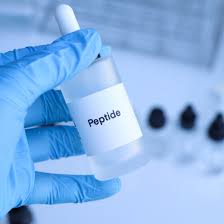
Peptide Science Montana: The Big Sky Frontier of Molecular Innovation
Peptide Science Montana, In the rolling foothills of the Rockies and across the high plains of the Treasure State, a quiet revolution is taking place. While outsiders often picture Montana solely as a landscape of cattle ranches and fly-fishing rivers, a sophisticated network of biochemists and laboratories is establishing a new frontier: Peptide Science.
This field—focused on the study of short chains of amino acids—is bridging the gap between traditional pharmaceutical development and modern regenerative medicine. In Montana, this science is taking on a distinct character, driven by the state’s unique blend of agricultural needs, longevity research, and a spirit of independent innovation.
The Foundation: What Is Peptide Science?
To understand the “Montana Method,” one must first understand the science. Peptide Science Montana are smaller than proteins but larger than individual amino acids. They act as signaling molecules in the human body, instructing cells to perform specific functions such as reducing inflammation, building collagen, producing growth hormone, or repairing damaged tissue.
Synthetic peptides—those created in a lab rather than harvested from animals—offer a high degree of specificity with low toxicity. Unlike some traditional drugs that cause widespread systemic effects, peptides often act like “smart keys” fitting into specific cellular locks.
In Montana, researchers are applying this precision to two specific verticals: longevity and recovery for an active, aging population, and regenerative veterinary science for livestock and performance horses.
The “406” Advantage: Why Montana?
Why is Montana emerging as a micro-hub for this niche chemistry? The answer lies in the “406 Advantage”—a combination of economics and environment.
Firstly, the financial overhead for wet labs in cities like Bozeman, Missoula, or Billings is significantly lower than in Boston or San Francisco. This allows startups to allocate more capital toward expensive peptide synthesizers and purification equipment rather than rent.
Secondly, Montana offers a unique regulatory buffer. While peptides are strictly regulated by the FDA for human use, the state’s vast agricultural sector allows for extensive research into veterinary applications without the same level of bureaucratic friction. Thirdly, the culture of “self-reliance” prevalent in the state resonates with the biohacking and longevity communities, making Montana a testing ground for performance-enhancing and recovery-focused research.
Veterinary Peptides: Healing Horses and Herds
Perhaps the most significant contribution of Peptide Science Montana is in the veterinary field. The state has a massive equine and bovine population, yet access to emergency veterinary surgery is often limited due to the rural geography.
Montana-based labs are pioneering the use of BPC-157 (Body Protection Compound) and TB-500 (Thymosin Beta-4) for large animals.
· Equine Research: Racehorses and ranch horses frequently suffer from tendonitis, ligament tears, and joint issues. Peptide therapies are being developed to accelerate the healing of bowed tendons without the side effects of corticosteroids. Researchers are noting that peptides can stimulate angiogenesis (the growth of new blood vessels) in damaged soft tissue, getting a prized stallion back to work in weeks rather than months.
· Bovine Applications: For cattle ranchers, respiratory disease and wound healing are costly. Synthetic peptides are being studied as alternatives to antibiotics, helping to reduce the reliance on traditional antimicrobials while promoting faster healing of dehorning or castration wounds.
Human Health and Longevity in Big Sky Country
On the human side, the demographic of Montana is generally older and highly active. Residents often refuse to slow down as they age, leading to a demand for therapies that support joint health, muscle maintenance, and cognitive function.
Local peptide clinics and compounding pharmacies in Montana are focusing on:
· Injury Recovery: For skiers, climbers, and hunters who suffer rotator cuff tears or ACL ruptures, peptides like CJC-1295 and Ipamorelin (growth hormone secretagogues) are being used to stimulate the pituitary gland. Unlike synthetic HGH, these peptides encourage the body to release growth hormone in natural pulses.
· Metabolic Health: Tesamorelin, originally developed for HIV-related lipodystrophy, is being studied in Montana for its ability to reduce visceral abdominal fat, a common concern in the sedentary winter months.
· Cognitive Support: Semax and Selank, originally developed in Russia, are being synthesized in US labs to test for neuroprotective effects against the “brain fog” associated with high-altitude living and TBI (Traumatic Brain Injury) common in former contact sport athletes.
The Research Hubs: From Bozeman to Missoula
While not operating at the scale of Harvard or Stanford, specific institutions are driving the peptide conversation in Montana:
- Montana State University (MSU) in Bozeman: Known for its exceptional biochemistry and microbiology programs, MSU is a breeding ground for peptide chemists. The university’s Center for Biofilm Engineering often utilizes peptide sequences to disrupt bacterial communication, moving away from caustic antibiotics.
- The University of Montana (UM) in Missoula: UM’s Skaggs School of Pharmacy is a national leader in health outcomes research. While their focus is broad, they have conducted significant research into the delivery mechanisms of peptides—specifically oral versus injectable bioavailability, which remains the holy grail of peptide science.
- Private Research Clinics: Scattered across the state are private functional medicine clinics. These are often the “translational” hubs where theoretical peptide science meets patient application. Many are contributing anonymized data to registries regarding the long-term effects of MOTS-c (a mitochondrial peptide) and SS-31 (targeting mitochondrial dysfunction).
Quality and Sourcing: The Risk of “Grey” Markets
The growth of Peptide Science Montana is not without its challenges. A significant portion of the industry operates in a regulatory “grey area.”
Because peptides are classified as “research chemicals” unless specifically approved by the FDA (like BPC-157 or Semaglutide), many Montanans purchase them online from out-of-state or overseas vendors. This leads to the risk of impure product, incorrect dosages, or contamination.
However, reputable Montana-based scientists are fighting back against this. New quality standards are emerging:
· Third-Party Testing: Local distributors are increasingly requiring Certificates of Analysis (COA) from labs like Janoshik to verify mass spectrometry results.
· Compounding Pharmacy Oversight: Licensed compounding pharmacies in Montana are legally allowed to prepare custom peptides for a specific patient with a prescription, ensuring sterile, accurate dosing unavailable through “research chemical” websites.
The Future of the Frontier
The future of peptide science in Montana looks toward accessibility and new molecules.
We are likely to see a rise in Stable Peptides—molecules modified to survive the acidic environment of the stomach. If successful, this could turn injections (the current standard) into oral capsules, expanding the market exponentially.
Furthermore, Montana’s rugged landscape makes it an ideal testing ground for Cold-Chain Logistics. Many peptides are fragile and denature in heat. Researchers in Billings are developing thermostable peptide formulations that can survive in a hunter’s backpack or a rancher’s truck for weeks without refrigeration.
Conclusion
Peptide Science Montana represents a shift away from mass-market pharmaceuticals toward precision, individualized biochemistry. It marries the hardiness of the frontier with the precision of molecular engineering.