
Blog
Peptide Science Washington

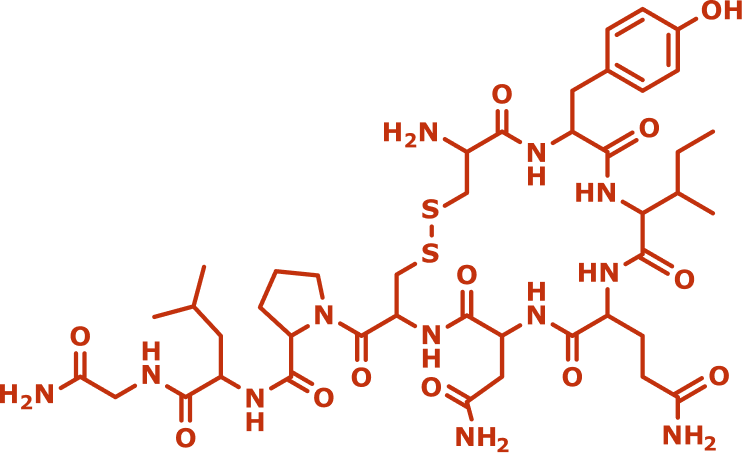
Peptide Science Washington: Comprehensive Research
Peptide Science Washington has emerged as a global powerhouse in peptide science, driven by the revolutionary work of the University of Washington’s Institute for Protein Design (IPD), a robust ecosystem of biotechnology companies, and world-class research institutions including the Fred Hutchinson Cancer Center and Seattle Children’s Research Institute. From Nobel Prize-winning breakthroughs in computational protein design to clinical-stage peptide therapeutics for neurodegenerative diseases and muscular dystrophy, Peptide Science Washington has cultivated an environment where academic excellence and commercial innovation converge to advance the frontiers of peptide-based medicine. This article explores the dynamic landscape of peptide science across the Evergreen State.
Academic Research and Institutional Leadership
The University of Washington: A Global Epicenter of Protein and Peptide Design
The University of Washington (UW) stands at the absolute forefront of peptide and protein science, led by the Institute for Protein Design (IPD) under Nobel laureate David Baker. Since 2014, the IPD has spun off 10 startups, and Baker has co-founded 21 technology companies. In October 2024, Baker received the Nobel Prize in Chemistry, with the Royal Swedish Academy of Sciences noting that “his research group has produced one imaginative protein creation after another, including proteins that can be used as pharmaceuticals, vaccines, nanomaterials and tiny sensors”.
AI-Powered Precision Immunotherapy
In a landmark study published in Science, UW researchers demonstrated how artificial intelligence can create proteins that recognize and bind to specific markers on diseased cells—essentially biological neon signs that attract immune cells to destroy their targets. The scientists used RFdiffusion and ProteinMPNN—AI tools built by the IPD—to engineer proteins that recognize unique peptides displayed on cell surfaces, revealing whether a cell is cancerous or infected by a virus such as HIV.
The researchers designed proteins for 11 peptide targets, with eight successfully triggering a T-cell response. Two produced such a strong immune response that T cells killed the targeted cells. The peptide targets included HIV fragments and tumor-related protein mutations. “Detecting unhealthy cells is one of the main jobs of the immune system, but it doesn’t always notice the subtle signs of cancer or viral infection,” Baker explained. “In this study, we show that computer-designed proteins can help human immune cells spot the right targets and function more effectively”. The researchers are planning to launch a company to commercialize the technology.
UW School of Pharmacy: AI-Enabled Peptide Drug Design
The UW School of Pharmacy has expanded its longstanding collaboration with Johnson & Johnson through the Institute for Innovations in Drug Disposition and Delivery (I2D3). At the center of this initiative is an effort to design and experimentally evaluate a large number of peptides for cellular permeability. These measurements will form the basis of a robust dataset used to train artificial intelligence models capable of predicting cell permeability directly from molecular structure—a critical determinant of whether potential therapies can successfully move through development. “By combining rigorous laboratory measurements with advanced computational tools, we can build models that are reliable and more informative in guiding therapeutic peptide design,” said Rheem Totah, professor of Medicinal Chemistry.
Peptide Assembly and Biomaterials Research
UW’s Molecular Engineering and Materials Center (MEM-C), supported by the National Science Foundation, investigates the assembly of peptides on two-dimensional materials, exploring how peptide assemblies can form crystalline films on surfaces such as molybdenum disulfide (MoS2). Other UW researchers are advancing collagen-mimetic peptides designed to replicate the triple-helical structure of natural collagen, exploring stereoselective coassembly of chiral isomer peptide pairs, and developing data-driven approaches to engineer thermostable peptoid structures.
UW Peptide Core Facility
The UW Peptide Core provides essential infrastructure, producing synthetic peptides to support many projects in parallel at the IPD, including biologic therapeutics, phosphopeptide synthesis and characterization, difunctional fluorescent peptides, and peptide materials.
Washington State University: Antimicrobial Peptides and Chemical Ligation
Washington State University (WSU) in Pullman contributes significantly to peptide science through multiple research initiatives.
Antimicrobial Peptide Discovery
WSU researchers are actively engaged in designing novel antimicrobial peptide biologics, applying machine learning classification and consensus sequence engineering to the Brevinin-2 family of peptides. This work addresses the growing challenge of antibiotic resistance by leveraging computational approaches to discover and optimize naturally occurring antimicrobial peptides.
Improved Native Chemical Ligation
Researchers at WSU’s Department of Chemistry have invented an improved method of native chemical ligation—a fundamental technique in peptide synthesis. The method involves the ligation of a peptide thioacid with an aziridinyl peptide to yield an aziridinyl peptide ligation product without the use of protecting groups. This innovation streamlines the synthesis of complex peptides and peptide-based therapeutics.
Peptide-Based Drug Delivery and Cancer Research
The Saludes Group at WSU focuses on harnessing the potential of peptides to deliver bioactive molecules across membrane bilayers, study cancer metastasis, and probe signal transduction. The group’s efforts center on the design and synthesis of natural and unnatural peptides and the characterization of their interactions with phospholipid bilayers.
Fred Hutchinson Cancer Center: Cystine-Dense Peptides and Immunotherapy
Seattle’s Fred Hutchinson Cancer Center is a leader in peptide-based cancer research and therapeutics.
Cystine-Dense Peptides
Researchers from the Olson Lab and Strong Lab have been unlocking a new path for cystine-dense peptides—tiny proteins that represent a largely untapped source of new therapeutics for tough diseases. These peptides, characterized by their disulfide-rich structures, offer unique opportunities for targeting challenging disease pathways.
Personalized Neoantigen Peptide Vaccines
Fred Hutch has partnered with Amazon in a clinical trial for a personalized neo-antigen peptide vaccine for the treatment of Stage IIIC-IV melanoma and hormone receptor-positive HER2-negative metastatic breast cancer. This approach represents the cutting edge of personalized immunotherapy, using patient-specific peptide antigens to train the immune system to recognize and attack tumors.
Cartilage-Homing Peptides and RAS-Targeting Therapies
Fred Hutch researchers have developed peptides that home to, target, and accumulate in cartilage, with pharmaceutical compositions and uses for peptide-active agent complexes. The center has also patented compositions and methods for targeting RAS antigens—a notoriously difficult-to-drug family of cancer targets.
Seattle Children’s Research Institute: Peptide Therapeutics for Obesity
The Roth Lab at Seattle Children’s Research Institute is pioneering the use of multi-agonist peptides to target appetite and metabolism. In preclinical research, the lab evaluates new anti-obesity agents, including multi-agonist peptides that target multiple receptors simultaneously. Recent NIH-funded projects focus on compounds like GEP44 and KCEM1, examining how multi-receptor targeting affects energy balance and glucose regulation.
The lab analyzes different peptides involved in the regulation of food intake, energy homeostasis, and inflammatory markers. Dr. Christian Roth, a pediatric endocrinologist, is actively involved in clinical trials investigating GLP-1 analogs and other peptide-based treatments for obesity in youth.
Biotechnology Companies: From Discovery to Commercialization
Washington hosts a thriving ecosystem of biotechnology companies translating peptide science into clinical-stage therapeutics.
AltPep: Targeting Amyloid Diseases
Seattle-based AltPep is developing groundbreaking disease-modifying treatments and detection tools for amyloid diseases by targeting toxic soluble oligomers—the early molecular triggers of conditions like Alzheimer’s and Parkinson’s. The company’s customized synthetic peptides are designed to bind selectively to toxic oligomers to both detect and neutralize them throughout disease progression.
AltPep’s approach is built on decades of scientific research by the Daggett Research Group at the UW. The company’s lead programs focus on Alzheimer’s and Parkinson’s diseases, with other amyloid diseases such as Type 2 diabetes on the horizon. The goal is to change the course of these debilitating diseases that affect over a billion people globally.
Allysta Pharmaceuticals: Adiponectin Receptor Agonists
Bellevue-based Allysta Pharmaceuticals is a private venture-backed clinical-stage biopharmaceutical company specializing in therapeutic peptides that exhibit multiple biological actions, including anti-fibrotic and anti-inflammatory effects. The company’s lead drug, ALY688, is the first adiponectin receptor agonist to enter human testing, targeting Duchenne muscular dystrophy and showing potential benefits in various inflammatory and fibrotic conditions.
Allozyne: Protein Therapeutic Technologies
Seattle-based Allozyne develops and commercializes technologies that enable improvements in the efficacy, safety, dosing, and other characteristics of protein-based therapeutics, including peptides, antibodies, and vaccines. Founded in 2005, the company represents Washington’s commitment to advancing the delivery and performance of biologic medicines.
ProCyte: Copper Peptide Therapeutics
Redmond-based ProCyte develops and manufactures wound care, haircare, and skin health products incorporating patented copper peptide technology. The company initially focused on the research and development of copper peptides specifically for wound healing, demonstrating the broad applicability of peptide science beyond traditional therapeutics.
Cyrus Biotechnology: Protein Design and Screening
Seattle’s Cyrus Biotechnology provides preclinical-stage biotech services focused on protein design and screening, contributing to the computational infrastructure that supports peptide and protein therapeutic development.
P.I.CelKem: Custom Protein Services
Tacoma-based P.I.CelKem specializes in protein science and research and development services, offering custom protein services including gene design, microbial and mammalian expression, protein formulation, and characterization.
Peptide Scientific USA
Seattle-based Peptide Scientific USA has been providing medicinal chemical manufacturing since 2004, contributing to the state’s peptide synthesis and supply infrastructure.
Peptide Synthesis and Manufacturing Infrastructure
Washington’s peptide science ecosystem is supported by robust manufacturing and synthesis capabilities. The UW Peptide Core produces a wide variety of synthetic peptides and peptide-like compounds utilizing solid-phase peptide synthesis (SPPS) with standard peptide chemistry techniques and automated peptide synthesizers.
Medchem Source, based in Federal Way, is capable of handling complex organic synthesis, including the synthesis of building blocks derived from various classes of heterocyclic compounds, natural products, peptides, and natural and unnatural amino acid derivatives.
Clinical Applications and Peptide Therapy
The clinical application of peptide therapeutics has gained significant traction in Washington. Clinics across the Seattle area offer medically supervised peptide therapy designed to support recovery, energy, metabolism, body composition, and healthy aging. EVEXIAS Health Solutions offers innovative peptide therapies specifically tailored to women’s health, providing targeted signals to enhance specific processes such as accelerating fat metabolism, stimulating collagen production, and improving deep sleep.
Conclusion
Washington has established itself as a global leader in peptide science, driven by the revolutionary work of the University of Washington’s Institute for Protein Design and the broader Seattle-area life sciences ecosystem. From Nobel Prize-winning breakthroughs in computational protein design to clinical-stage peptide therapeutics for Alzheimer’s, Parkinson’s, Duchenne muscular dystrophy, and cancer, the state is at the forefront of translating fundamental peptide science into life-changing medicines.
The ecosystem benefits from a unique concentration of world-class academic research, pioneering biotechnology companies, and robust manufacturing infrastructure. The UW’s AI-powered approaches to peptide and protein design, Fred Hutchinson’s work on cystine-dense peptides and personalized neoantigen vaccines, Seattle Children’s research on multi-agonist peptides for obesity, and companies like AltPep and Allysta Pharmaceuticals collectively demonstrate the depth and breadth of Washington’s peptide science capabilities.
As the field continues to evolve, Washington’s combination of academic excellence, entrepreneurial spirit, and strategic investment positions it to remain a global epicenter of peptide-based biomedical research and development for years to come.