
Currently Empty: £0.00

Call Us:
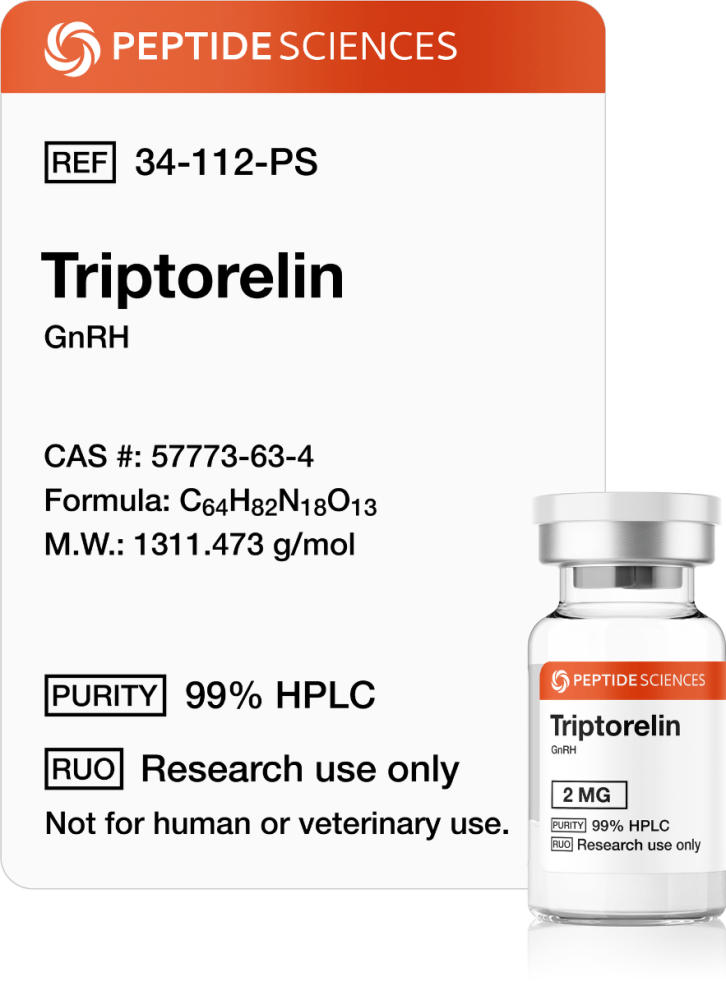
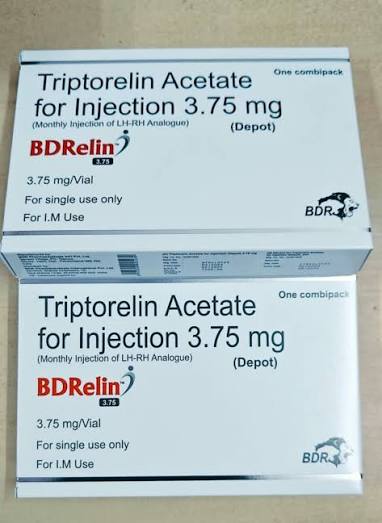


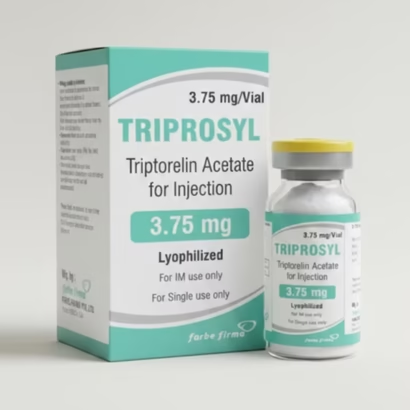
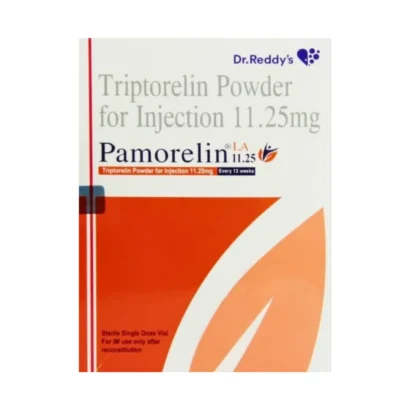
Triptorelin Injection is a highly effective and potent GnRH agonist that leverages a paradoxical mechanism to reversibly suppress the reproductive hormonal axis. Its primary approved indications—treating advanced prostate cancer in adults and central precocious puberty in children—underscore its versatility in managing hormone-dependent pathologies.
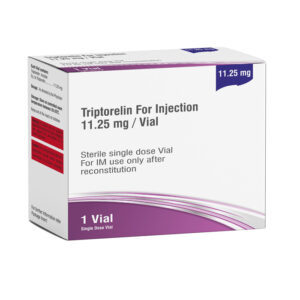
Price range: £42.00 through £396.00
Triptorelin Injection is a synthetic decapeptide analogue of naturally occurring gonadotropin-releasing hormone (GnRH), also known as luteinizing hormone-releasing hormone (LHRH) . As a potent GnRH receptor agonist, it plays a pivotal role in managing hormone-dependent conditions by paradoxically suppressing the reproductive hormonal axis following an initial stimulatory phase . This article provides a detailed description of triptorelin, including its mechanism of action, clinical applications, available formulations, and key safety considerations.
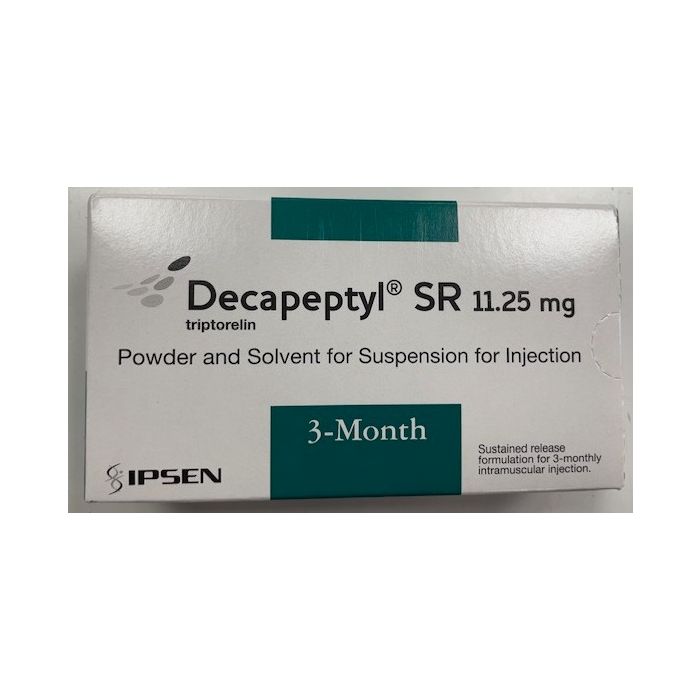
Triptorelin Injection is a synthetic decapeptide agonist analog of gonadotropin-releasing hormone (GnRH), also known as luteinizing hormone-releasing hormone (LHRH). It is a white to off-white lyophilized powder that serves as a potent therapeutic agent for hormone-responsive conditions. The peptide is marketed under various brand names including Decapeptyl, Trelstar, and Triptodur, and is approved by regulatory authorities worldwide for the treatment of advanced prostate cancer, central precocious puberty, endometriosis, uterine fibroids, and as an adjunct in assisted reproductive technology.
The molecular formula of Triptorelin Injection is C₆₄H₈₂N₁₈O₁₃, with a molecular weight of approximately 1311.5 Da for the free peptide base. The peptide is commercially available in two principal salt forms: triptorelin acetate and triptorelin pamoate. Triptorelin acetate is typically used for immediate-release formulations and lyophilized powder injections, while triptorelin pamoate is employed in sustained-release microsphere formulations for depot injections. The choice of salt form significantly influences the drug’s solubility, stability profile, and release characteristics.
The pharmacological mechanism of triptorelin involves high-affinity binding to GnRH receptors on anterior pituitary cells, where it acts as a potent agonist. Acutely, this binding stimulates the secretion of luteinizing hormone (LH) and follicle-stimulating hormone (FSH). However, prolonged, continuous administration leads to receptor down-regulation and desensitization of pituitary gonadotropes, resulting in sustained suppression of LH and FSH release and subsequent reduction in gonadal steroidogenesis. This paradoxical effect — initial stimulation followed by profound suppression — forms the therapeutic basis for its clinical applications.
The pharmacology of triptorelin is defined by its biphasic effect on the hypothalamic-pituitary-gonadal (HPG) axis. As a GnRH agonist, triptorelin has a higher potency and longer half-life than the endogenous hormone, leading to continuous stimulation of pituitary GnRH receptors .
1. Initial Stimulation (The “Flare” Effect): Upon administration, triptorelin injection acts as an agonist, causing a transient, sharp increase in the release of luteinizing hormone (LH) and follicle-stimulating hormone (FSH) from the anterior pituitary . This surge leads to a corresponding temporary elevation in gonadal sex hormone levels—testosterone in males and estradiol in females .
2. Receptor Desensitization and Suppression: With continued, sustained exposure, the constant stimulation leads to the down-regulation of GnRH receptors on pituitary gonadotrophs. The pituitary becomes desensitized, resulting in a profound and sustained decrease in LH and FSH secretion .
This leads to a near-complete suppression of gonadal steroid production, creating a state of reversible “medical castration” . This suppression is typically achieved within 3 to 4 weeks of continuous therapy .
The unique ability of triptorelin to induce reversible chemical castration makes it a valuable therapeutic agent for a range of hormone-sensitive conditions. Its regulatory approvals reflect its established efficacy and safety profile in specific patient populations.
In men with advanced hormone-dependent prostate cancer, triptorelin is indicated for palliative treatment . By reducing serum testosterone to castrate levels, the drug effectively slows the progression of the disease . Trelstar is available in several extended-release intramuscular formulations, providing flexibility in dosing schedules:
· Trelstar 3.75 mg: Administered monthly (every 28 days) .
· Trelstar 11.25 mg: Administered every 12 weeks.
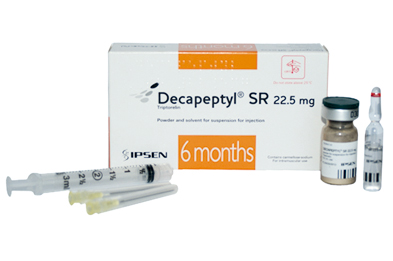
· Trelstar 22.5 mg: Administered every 24 weeks .
For pediatric patients, triptorelin is approved to treat central precocious puberty (CPP), a condition where puberty begins abnormally early (before age 9 in girls and age 10 in boys) . Triptorelin Injection suppresses the premature activation of the HPG axis, thereby halting the progression of early sexual development and allowing for more appropriate linear growth until the normal age of puberty. Triptodur is formulated as a long-acting 22.5 mg injection administered by a healthcare professional once every 24 weeks . It is indicated for use in children aged 2 years and older .
While approved by the FDA for these indications, triptorelin is widely used globally and is a well-recognized treatment for other conditions, including:
· Endometriosis: To suppress ovarian function and reduce endometriotic lesions .
· Uterine Fibroids (Leiomyomas): For preoperative reduction of myoma size and associated symptoms like bleeding and pain .
· Assisted Reproduction: For controlled ovarian hyperstimulation in in vitro fertilization (IVF) protocols
The use of Triptorelin Injection is associated with several significant side effects and warnings that necessitate careful medical supervision.
· Tumor Flare: The initial, transient rise in testosterone can cause a temporary worsening of symptoms in patients with prostate cancer. This “tumor flare” can manifest as increased bone pain, urinary tract obstruction, or complications in patients with spinal metastases . This risk is typically managed by co-administering an anti-androgen during the first few weeks of therapy .
· Metabolic and Cardiovascular Effects: Long-term androgen deprivation therapy is associated with an increased risk of metabolic changes, such as hyperglycemia, diabetes, and hyperlipidemia, as well as potential cardiovascular risks like myocardial infarction and stroke . Regular monitoring of glucose and lipid profiles is recommended.
· Bone Mineral Density (BMD): The suppression of sex hormones inevitably leads to a loss of bone mineral density, which can increase the risk of osteoporosis and fractures . This is a particular concern in children undergoing treatment for CPP and women treated for endometriosis. In children, bone mass accrual typically resumes after treatment cessation.
· Other Common Adverse Reactions: The most frequently reported side effects are a direct result of the drug’s pharmacological action and include hot flushes (reported in up to 50-58% of male patients), erectile dysfunction, decreased libido, and testicular atrophy in men . Injection site pain and headache are also common .
· Hypersensitivity: Triptorelin is contraindicated in patients with a known hypersensitivity to GnRH or its analogues, as anaphylactic shock and angioedema have been reported.
· Psychiatric Effects: Mood changes, including depression, irritability, and emotional lability, have been reported with the use of GnRH agonists
· Contraindications: It is contraindicated in women who are pregnant or breastfeeding
2.1 Resin Selection and Preparation
The manufacturing of Triptorelin Injection begins with the selection of an appropriate solid support resin. The most commonly employed resins for triptorelin synthesis are Rink Amide AM resin and Rink Amide MBHA resin, which yield a C-terminal amide upon cleavage — a critical structural feature of the native GnRH decapeptide. These resins are selected for their compatibility with Fmoc chemistry, their ability to produce high-purity peptides, and their capacity to generate the C-terminal amide functionality that is essential for biological activity.
The resin is initially swollen in an organic solvent such as dimethylformamide (DMF) or dichloromethane (DCM) to facilitate solvent penetration and subsequent coupling reactions. The first amino acid, Fmoc-Gly-OH, is coupled to the resin using a peptide coupling agent in the presence of an amide bond-forming promoter and an organic base. Commonly employed coupling agents include HBTU (O-benzotriazole-N,N,N′,N′-tetramethyluronium hexafluorophosphate), HATU, or DIC (N,N′-diisopropylcarbodiimide), with HOBt (1-hydroxybenzotriazole) as a racemization suppressant. The coupling reaction is typically conducted at temperatures between 10°C and 60°C for 0.5 to 1.5 hours.
2.2 Chain Assembly and Fmoc Deprotection
Following the initial coupling of glycine, the peptide chain is extended in a stepwise manner from the C-terminus to the N-terminus. Each cycle consists of two essential steps: Fmoc deprotection to expose the α-amino group, followed by coupling of the next Fmoc-protected amino acid. The sequence of Triptorelin Injection is Pyr-His-Trp-Ser-Tyr-D-Trp-Leu-Arg-Pro-Gly-NH₂, requiring the incorporation of nine additional amino acids after the initial glycine.
Fmoc deprotection is typically accomplished using a solution of piperidine in DMF (typically 20–25% v/v). The deprotection reaction is performed at ambient temperature for 5 to 30 minutes, with reaction times carefully optimized to ensure complete removal of the Fmoc group without causing peptide chain degradation. Recent developments in green chemistry have explored alternative deprotection protocols using NaOH, which offer environmental benefits while maintaining synthesis efficiency.
Each coupling reaction employs an excess of the activated amino acid derivative, typically 2 to 4 equivalents relative to the resin-bound peptide. The use of side-chain protecting groups is essential to prevent unwanted reactions during chain assembly. For Triptorelin Injection, the following protecting groups are commonly employed: Trt (trityl) for histidine, Boc (tert-butoxycarbonyl) for tryptophan, tBu (tert-butyl) for serine and tyrosine, and Pbf (2,2,4,6,7-pentamethyldihydrobenzofuran-5-sulfonyl) for arginine. These protecting groups are stable under the basic conditions of Fmoc deprotection but are readily removed under acidic cleavage conditions.
2.3 Fragment Condensation Approaches
While stepwise SPPS remains the predominant method for Triptorelin Injection production, fragment condensation strategies have been developed to improve yield and purity. One notable approach combines solid-phase and liquid-phase methods: the 1-7 fragment is prepared by solid-phase synthesis, while the 8-10 fragment is prepared by liquid-phase synthesis, followed by condensation of the two fragments on the solid phase to assemble the full decapeptide. This hybrid approach can reduce the number of coupling steps and minimize the accumulation of deletion impurities.
Alternative strategies have explored the use of catalytic fragment condensation using selenium-based catalysts, which offer advantages in terms of coupling efficiency and compatibility with SPPS conditions. These methods have been successfully applied to the synthesis of Triptorelin Injection and other bioactive peptides, demonstrating comparable or improved yields relative to conventional coupling reagent approaches.
2.4 Cleavage from Resin and Side-Chain Deprotection Triptorelin Injection
Upon completion of chain assembly, the protected decapeptide resin is subjected to cleavage and global deprotection using a strong acidic cocktail. The standard cleavage mixture consists of trifluoroacetic acid (TFA) with scavengers such as water, triisopropylsilane (TIS), and ethanedithiol (EDT) or phenol. A typical cleavage cocktail for tryptophan-containing peptides is Reagent K (TFA/phenol/water/thioanisole/ethanedithiol), which effectively removes the peptide from the resin while simultaneously cleaving side-chain protecting groups and suppressing alkylation of tryptophan residues.
The cleavage reaction is conducted at ambient temperature for 1 to 6 hours, with reaction times adjusted based on the resin type and protecting group scheme. Following cleavage, the crude peptide is precipitated by adding the filtrate to cold diethyl ether, which also removes organic-soluble byproducts and scavenger adducts. The precipitated crude triptorelin is then collected by filtration and dried under vacuum.
Crude Triptorelin Injection obtained from SPPS typically exhibits a purity of 60–80% and requires extensive purification to meet pharmaceutical specifications. Preparative reverse-phase high-performance liquid chromatography (RP-HPLC) is the method of choice for this purpose. The purification of Triptorelin Injection is typically performed on C18 or C8 reversed-phase columns using mobile phases consisting of aqueous TFA (0.1–0.15% v/v) and an organic modifier such as acetonitrile or methanol.
The crude peptide is dissolved in an aqueous solution containing 5–10% organic solvent at a concentration of 1–50% (w/v) and filtered before loading onto the column. A linear gradient elution is employed, typically ranging from 20% to 40% organic modifier over 50–70 minutes. The column effluent is monitored by UV absorbance at 220 nm or 230 nm, and fractions containing the purified peptide are collected based on chromatographic peak purity. The purification process is designed to achieve a final purity of greater than 98%, with individual related substances controlled to less than 0.1% and total impurities below 2.0%.
3.2 Salt Conversion to Acetate Form
Following RP-HPLC purification, Triptorelin Injection is typically obtained as a trifluoroacetate (TFA) salt. For pharmaceutical applications, conversion to the acetate salt form is often required due to the potential toxicity and reactivity of trifluoroacetate counterions. The salt conversion process involves loading the purified peptide onto a reversed-phase column pre-equilibrated with an acetate-containing mobile phase, followed by elution with a gradient containing acetic acid or ammonium acetate.
Alternatively, salt conversion can be achieved through lyophilization from acetic acid solutions. The purified peptide is dissolved in 5% acetic acid and subjected to freeze-drying, yielding triptorelin acetate as a fluffy white powder. The acetate content is carefully controlled to ensure stoichiometric salt formation, with the target acetate content typically ranging from 5.5% to 6.5% (w/w) for the anhydrous peptide.
3.3 Lyophilization and Final Product Isolation
The final step in Triptorelin Injection production involves lyophilization (freeze-drying) to obtain a stable, solid dosage form suitable for pharmaceutical use. The purified peptide solution is first concentrated by rotary evaporation or ultrafiltration to remove the organic solvent, then subjected to controlled freeze-drying cycles. Lyophilization parameters — including freezing temperature, primary drying temperature and pressure, and secondary drying temperature — are optimized to ensure complete removal of water and residual solvents while maintaining peptide integrity.
The final Triptorelin Injection lyophilized product is a white to off-white powder that is freely soluble in water, acetic acid, and dimethylformamide, but practically insoluble in acetone and chloroform. The Triptorelin Injection is typically packaged under inert gas (nitrogen or argon) in amber glass vials to protect against oxidation and photodegradation.
4.1 Purity and Related Substances Analysis
Quality control of triptorelin production encompasses a comprehensive suite of analytical tests designed to ensure product identity, purity, potency, and safety. RP-HPLC serves as the primary method for purity analysis, employing C18 columns (typically 250 mm × 4.6 mm, 5 μm particle size) with mobile phases consisting of phosphate buffer (pH 6.9) and acetonitrile in gradient elution mode. The method is validated according to ICH Q2(R2) guidelines, with system suitability parameters including plate count, tailing factor, and peak purity verified through replicate analysis.
Related substances analysis is particularly critical for triptorelin, as the peptide is susceptible to several degradation pathways including deamidation, oxidation, and epimerization. Acylation impurities — formed by reaction between serine hydroxyl groups in triptorelin and electrophilic carbonyl groups in excipients or packaging materials — represent a significant quality concern, particularly in sustained-release microsphere formulations. Advanced analytical techniques such as HPLC-QTOF-MS have been employed to identify and characterize up to 14 distinct acylated impurities in triptorelin acetate microspheres.
4.2 Identity and Structural Confirmation
Peptide identity is confirmed through multiple orthogonal techniques. Amino acid analysis (AAA) following acid hydrolysis provides quantitative amino acid composition data, while sequence confirmation is achieved through tandem mass spectrometry (LC-MS/MS) or Edman degradation. The presence of the D-tryptophan residue at position 6 is a critical structural feature that distinguishes triptorelin from native GnRH; chiral amino acid analysis or NMR spectroscopy is employed to confirm the stereochemical integrity of this residue.
4.3 Potency and Bioactivity Assays
Potency testing of Triptorelin Injection is performed using cell-based bioassays that measure the peptide’s ability to stimulate or suppress LH release from pituitary cells or transfected cell lines expressing the GnRH receptor. These bioassays provide a functional measure of peptide activity and are essential for batch release and stability testing. Additionally, the peptide content is determined by RP-HPLC against a calibrated reference standard, with acceptance criteria typically set at 95.0–105.0% of the labeled amount.
4.4 Residual Solvents and Elemental Impurities
Residual solvents remaining from the synthesis and purification processes are controlled according to ICH Q3C guidelines. Commonly monitored solvents include DMF, DCM, TFA, acetonitrile, and diethyl ether. Elemental impurities are controlled according to ICH Q3D requirements, with particular attention to catalyst residues (e.g., palladium or copper) that may be introduced during synthesis.
5.1 Immediate-Release Formulations
Triptorelin Injection acetate is formulated as a lyophilized powder for injection, typically containing the active peptide along with bulking agents (mannitol, sucrose), buffering agents (sodium acetate, acetic acid), and pH-adjusting agents. The Triptorelin Injection lyophilized product is reconstituted with sterile water for injection or saline before administration. These formulations are designed for daily subcutaneous administration at doses ranging from 0.1 mg to 0.5 mg.
5.2 Sustained-Release Microsphere Formulations
For depot formulations providing sustained drug release over 1, 3, or 6 months, Triptorelin Injection pamoate is encapsulated into biodegradable poly(lactic-co-glycolic acid) (PLGA) microspheres. The manufacturing process employs either double emulsion solvent extraction/evaporation (DESE) or liquid/oil/oil (L/O/O) phase separation techniques. In the DESE method, an aqueous solution of triptorelin acetate is emulsified into an organic polymer solution to form a water-in-oil emulsion, which is then further emulsified into an external aqueous phase to form the final microspheres. The organic solvent is subsequently removed by extraction and evaporation, and the resulting microspheres are collected by filtration, washed, and lyophilized.
Critical process parameters for microsphere manufacturing include polymer molecular weight and composition (lactide:glycolide ratio), drug-to-polymer ratio, emulsification speed and time, solvent removal rate, and microsphere size distribution. These parameters are carefully controlled to achieve target drug loading (typically 3–15% w/w), encapsulation efficiency (>90%), and release profiles that meet clinical requirements. The microspheres are typically sized between 20 and 100 μm to facilitate injection through a standard needle while providing the desired release kinetics.
5.3 Scale-Up Considerations
Manufacturing of Triptorelin Injection scale-up from laboratory to commercial production presents several challenges specific to peptide APIs and microsphere formulations. For SPPS, scale-up involves the use of larger reactors (up to 100 kg resin batches) with optimized agitation and filtration systems to ensure uniform coupling and deprotection reactions. Process analytical technology (PAT) tools, including in-line FTIR and Raman spectroscopy, are increasingly employed to monitor reaction progress and ensure batch-to-batch consistency.
For microsphere production, scale-up requires careful attention to heat transfer, mass transfer, and mixing dynamics, which can significantly affect microsphere size distribution and drug release characteristics. Continuous manufacturing approaches have been explored for triptorelin sustained-release formulations, offering advantages in terms of process intensification and reduced manufacturing time.
Triptorelin Injection is regulated as a peptide drug substance under the pharmaceutical regulations of the United States (FDA), European Union (EMA), and other jurisdictions. The Chemistry, Manufacturing, and Controls (CMC) section of regulatory submissions must provide comprehensive documentation of the manufacturing process, process controls, analytical methods, and stability data. Drug Master Files (DMFs) are typically filed for the drug substance, with active US DMFs held by multiple manufacturers including C S Bio Co and Debiopharm.
The regulatory framework for triptorelin emphasizes several critical quality attributes (CQAs) including peptide purity, related substances profile, acetate content, water content, and sterility. For sustained-release formulations, additional CQAs include microsphere size distribution, drug loading, encapsulation efficiency, and in vitro release profile. Process validation must demonstrate that the manufacturing process consistently delivers product meeting all predetermined specifications, with at least three consecutive validation batches typically required for regulatory approval.
Triptorelin Injection demonstrates acceptable stability under controlled storage conditions, though the peptide is susceptible to degradation under extremes of pH, temperature, and humidity. Lyophilized triptorelin acetate powder is typically stable for 24–36 months when stored at 2–8°C, protected from light, and kept in the original container. Stability studies have shown that Triptorelin Injection maintains greater than 98% purity when stored at 5°C for at least 6 months, with degradation becoming more significant at elevated temperatures (78% stability at 40°C over the same period).
For reconstituted solutions, stability is more limited, and the product should typically be used within a few hours to avoid degradation. In sustained-release microsphere formulations, the PLGA matrix provides a protective environment that enhances peptide stability during storage, though residual moisture content and microsphere morphology must be carefully controlled to prevent hydrolytic degradation.
Triptorelin Injection represents a well-established therapeutic peptide whose production encompasses sophisticated synthetic chemistry, rigorous purification protocols, and comprehensive quality control measures. The manufacturing process — from solid-phase peptide synthesis through purification, salt conversion, and formulation — must be carefully controlled to ensure that the final product meets the stringent requirements of pharmaceutical quality. As demand for peptide therapeutics continues to grow, ongoing developments in green chemistry, continuous manufacturing, and advanced analytics will further refine and optimize triptorelin production processes, ensuring consistent supply of high-quality product for patients worldwide.
Triptorelin Injection is a highly effective and potent GnRH agonist that leverages a paradoxical mechanism to reversibly suppress the reproductive hormonal axis. Its primary approved indications—treating advanced prostate cancer in adults and central precocious puberty in children—underscore its versatility in managing hormone-dependent pathologies. However, its powerful endocrine effects require careful patient selection, education, and monitoring to manage the significant risks of tumor flare, metabolic syndrome, bone loss, and other adverse effects.
| Dosage | 3.75mg, 7mg, 11.25mg |
|---|---|
| Quantity | 1 Vial, 2 Vials, 5 Vials |


