Currently Empty: £0.00

Call Us:

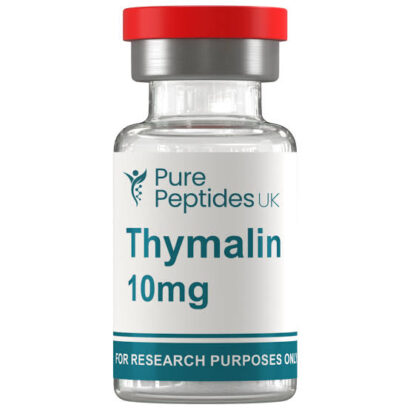
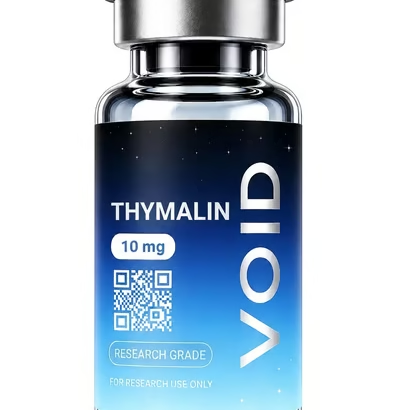
Thymalin, also known as thymic factor or thymulin, is a polypeptide complex that has occupied a unique and enduring position in the landscape of immunomodulatory therapeutics for over four decades. First isolated from the thymus gland in 1977 by Jean-François Bach, this nonapeptide (a nine-amino-acid peptide) has since become a cornerstone of Russian and Eastern European immunology research and clinical practice.
Unlike many contemporary peptide therapeutics that are entirely synthetic in origin, Thymalin is produced through the controlled extraction and purification of bioactive peptide fractions from the thymus glands of young calves, a process that preserves the natural molecular complexity and biological activity that have made this preparation a subject of sustained scientific inquiry.
The significance of Thymalin extends far beyond its role as a simple immunostimulant. As the first of a class of compounds that its principal developer, Vladimir Khavinson, termed “peptide bioregulators,” Thymalin represented a paradigm shift in the understanding of how short peptide sequences could interact directly with gene regulatory elements to restore organ function and modulate systemic physiological processes. This conceptual framework has since influenced decades of research into peptide-based therapeutics targeting not only immune dysfunction but also the broader processes of aging and tissue regeneration.
The global demand for Thymalin has grown steadily, driven by its established clinical applications in Russia and its emerging role in research settings worldwide, particularly in the context of immune restoration and longevity science. As a pharmaceutical product registered in the Russian Federation since 1982, Thymalin has maintained a consistent presence in clinical practice, with current registration number LS-000267 and renewed marketing authorization. Despite its lack of approval by the FDA, EMA, or other Western regulatory agencies, Thymalin continues to be manufactured under stringent quality control standards for both clinical and research applications.
This production description provides a comprehensive overview of Thymalin, encompassing its molecular composition, manufacturing processes, quality control parameters, mechanisms of action, clinical applications, and regulatory status. It is intended for pharmaceutical manufacturers, quality assurance professionals, regulatory affairs specialists, and researchers engaged in the development, production, or evaluation of peptide-based immunomodulatory therapeutics.
The development of Thymalin represents a significant chapter in the history of peptide therapeutics, emerging from a unique intersection of military medicine, gerontology research, and immunology during the late Soviet era. The story of Thymalin begins in the 1970s at the Leningrad Military Medical Academy (now the St. Petersburg Military Medical Academy) in the Soviet Union, where researchers Vladimir Khavinson and Vyacheslav Morozov were investigating the role of the thymus gland in immune function and aging.
The thymus, a specialized primary lymphoid organ located in the upper anterior portion of the chest cavity, had long been recognized as a critical site for T-lymphocyte maturation and immune system education. However, by the 1970s, it was becoming increasingly clear that the thymus also produced soluble factors that could influence immune function systemically—and that the decline of thymic function with age was associated with broader age-related immune deterioration. Khavinson and Morozov hypothesized that these thymic peptides could be isolated and used therapeutically to restore immune competence in individuals with thymic dysfunction or age-related immune decline.
Working with extracts from calf thymus tissue, the research team developed a method for isolating low-molecular-weight peptide fractions with potent immunomodulatory activity. This preparation, which they named Thymalin, demonstrated remarkable effects in early experimental studies, including the activation of T-cell differentiation, enhancement of natural killer cell activity, and modulation of cytokine production. The identification of specific active dipeptides within the Thymalin complex—particularly glutamyl-tryptophan (EW), later commercially developed as Thymogen, and lysyl-glutamyl (KE), commercialized as Vilon—provided critical evidence that the biological activity of the thymic extract could be attributed to specific short peptide sequences.
Thymalin was approved for clinical use in the Soviet Union in 1982 for the treatment of immunodeficiency states, a milestone that positioned it as one of the first peptide bioregulators to achieve regulatory recognition. Over the following decades, Thymalin became an established component of clinical practice in Russia and other Eastern European countries, with its indications expanding to encompass a wide range of immune-related pathologies, including infectious diseases, post-surgical immune suppression, cancer support therapy, and age-related immune dysfunction.
The geroprotective properties of Thymalin were systematically investigated in a landmark study conducted by the Kiev Institute of Gerontology, which assessed the effects of Thymalin and the pineal peptide Epithalamin in 266 elderly and older persons over a 6–8 year observation period. The results demonstrated a 2.0–2.1-fold reduction in mortality among Thymalin-treated patients compared to controls, with significant improvements in somatic state and reductions in age-related disease incidence. These findings, while generated within a specific research context, have contributed to the ongoing international interest in Thymalin as a potential longevity therapeutic.
Despite its long history of use in Russia, Thymalin has not achieved regulatory approval in Western countries. The U.S. Food and Drug Administration, European Medicines Agency, and other Western regulatory bodies have not authorized Thymalin for therapeutic use, citing concerns about the quality of clinical evidence, which largely originates from a single research group, and the inherent challenges of standardizing a biological extract from animal tissue. Nevertheless, Thymalin remains available as a research compound in many jurisdictions and continues to be manufactured for clinical use in Russia under pharmaceutical-grade standards.
Thymalin is fundamentally distinct from most peptide therapeutics in that it is not a single chemically defined molecule but rather a standardized polypeptide complex derived from bovine thymus tissue. Understanding the molecular composition of Thymalin requires examination at two levels: the overall composition of the extract and the specific bioactive peptide components that have been identified and characterized within it.
3.1 Overall Composition
Thymalin is produced by acid hydrolysis of thymus tissue from young calves, followed by ultrafiltration through membranes with a molecular weight cutoff of approximately 10 kDa. This process yields a complex mixture of low-molecular-weight peptides, typically ranging from 600 to 6000 Daltons in molecular mass. The resulting preparation contains a heterogeneous population of peptide fragments derived from the degradation of larger thymic proteins, with the specific composition dependent on the extraction and purification conditions employed.
The complex nature of Thymalin’s composition is both a defining characteristic and a significant manufacturing challenge. Unlike synthetic peptides, which can be produced with precise control over sequence and purity, Thymalin’s biological activity arises from the collective effects of multiple peptide components. This complexity contributes to the preparation’s broad-spectrum immunomodulatory effects but also introduces variability that must be carefully managed through standardized manufacturing processes and rigorous quality control.
3.2 Active Peptide Components
Research over several decades has identified specific peptide fractions within Thymalin that account for its biological activity. The most extensively characterized of these are two dipeptides: glutamyl-tryptophan (EW) and lysyl-glutamyl (KE).
Glutamyl-Tryptophan (EW / Thymogen) is a dipeptide with the molecular formula C₁₆H₁₉N₃O₅ and a molecular weight of 333.34 Da. Designated EW in single-letter amino acid code and commercially developed as Thymogen, this dipeptide is considered one of the primary active components of Thymalin. Thymogen has been developed as an independent pharmaceutical product and is approved in Russia for immune modulation via intranasal and intramuscular routes. EW has been shown to stimulate T-cell differentiation, enhance natural killer cell activity, and modulate cytokine production. In the context of inflammatory conditions, EW reduces angiotensin-induced vasoconstriction and preserves endothelium-dependent vascular relaxation by inhibiting ACE2, the target protein of SARS-CoV-2.
Lysyl-Glutamyl (KE / Vilon) is the second major bioactive dipeptide within Thymalin. KE stimulates cellular immunity and nonspecific resistance, exerting an activating effect on macrophages, blood lymphocytes, thymocytes, and neutrophils. Molecular docking studies have revealed that KE binds preferentially to GCGC sequences in the curved nucleosomal form of double-stranded DNA, suggesting a direct mechanism for its gene-regulatory effects. The specific target gene for the KE peptide is CHUK, a component of the NF-κB signaling pathway.
A third peptide component, the tripeptide Glu-Asp-Pro (EDP) , also known as Crystagen, has been identified within the Thymalin complex and contributes to its overall biological activity profile.
3.3 Thymulin: A Related but Distinct Nonapeptide
It is important to distinguish Thymalin from Thymulin (also known as serum thymic factor or facteur thymique serique), a distinct nonapeptide with the sequence H-Pyr-Ala-Lys-Ser-Gln-Gly-Gly-Ser-Asn-OH and a molecular formula of C₃₃H₅₄N₁₂O₁₅ (molecular weight 858.85 Da). Thymulin was first described by Bach in 1977 and requires zinc for biological activity. While both peptides are thymus-derived and immunomodulatory, Thymulin is a well-defined nonapeptide, whereas Thymalin is a complex polypeptide extract containing multiple bioactive sequences. This distinction is critical for manufacturers, researchers, and regulatory professionals, as the two products have different molecular characteristics, manufacturing approaches, and quality control requirements.
The production of Thymalin is a multi-stage process that transforms raw bovine thymus tissue into a standardized, lyophilized pharmaceutical product. Each stage requires careful control of parameters to ensure the purity, potency, and batch-to-batch consistency of the final product.
4.1 Source Material Selection and Preparation
The quality of Thymalin begins with the selection of appropriate source material. Thymus glands are obtained from young calves and young cattle up to one year of age, a requirement specified in the Russian pharmacopoeial monograph for the product. The thymus is selected at this stage of life because it is at peak functional capacity in young animals, containing the highest concentration of bioactive thymic peptide factors.
The raw tissue undergoes initial processing to remove non-thymic tissues, including fat, fascia, and connective tissue. The cleaned thymus tissue is then subjected to cold storage at −20°C to preserve peptide integrity prior to further processing. This cold chain must be maintained throughout the collection and initial processing stages to prevent degradation of the labile peptide components.
4.2 Acid Hydrolysis and Extraction
The core of the Thymalin manufacturing process is the controlled acid hydrolysis of thymus tissue, which releases peptide fragments from larger thymic proteins. This step is critical because it determines the molecular weight distribution and composition of the final peptide mixture. The extraction methodology involves subjecting the minced thymus tissue to mild acid conditions that cleave peptide bonds in a controlled manner, generating a mixture of low-molecular-weight peptide fragments.
The hydrolysis conditions—including pH, temperature, and reaction time—must be precisely controlled to achieve the desired peptide profile. Excessive hydrolysis can degrade bioactive sequences, while insufficient hydrolysis may leave larger proteins that cannot be effectively purified in subsequent steps. The optimization of these parameters is a key aspect of process development for Thymalin production.
4.3 Ultrafiltration and Molecular Weight Fractionation
Following acid hydrolysis, the peptide mixture undergoes ultrafiltration through membranes with a molecular weight cutoff of approximately 10 kDa. This step serves two critical functions: it removes larger proteins and cellular debris that may be present in the hydrolysate, and it retains only the low-molecular-weight peptide fraction that contains the bioactive components of Thymalin.
The ultrafiltration step is typically performed under conditions that minimize peptide adsorption to the membrane and preserve the integrity of the low-molecular-weight peptides. The filtrate, which contains the Thymalin peptide complex, is then subjected to further purification.
4.4 Chromatographic Purification
The ultrafiltrate is further purified through chromatographic separation to remove non-peptide contaminants and to fractionate the peptide mixture into distinct components. Reverse-phase high-performance liquid chromatography (RP-HPLC) is the primary technique used for this purpose, allowing the separation of peptides based on their hydrophobicity and enabling the isolation of specific bioactive fractions.
The chromatographic purification step serves multiple purposes. It removes residual salts, lipids, and other non-peptide contaminants that may be present in the crude extract. It also allows for the selective enrichment of the peptide fractions that contain the highest immunomodulatory activity. The resulting purified peptide mixture is a standardized Thymalin preparation with a defined composition profile.
4.5 Lyophilization and Final Formulation
The purified Thymalin solution is subjected to lyophilization (freeze-drying) to produce a stable powder for pharmaceutical use. Lyophilization involves freezing the solution under controlled conditions and then removing the ice by sublimation under reduced pressure, resulting in a dry, porous powder that retains the biological activity of the original peptide mixture.
In the final formulation step, the lyophilized Thymalin powder is combined with pharmaceutical excipients, most commonly glycine. The Russian pharmaceutical specification for Thymalin indicates that the lyophilized product contains 10 mg of thymus extract (calculated on the basis of peptide content) and 20 mg of glycine per vial. Glycine serves as a bulking agent and cryoprotectant, stabilizing the peptide structure during lyophilization and storage. The final product is a white or white-yellowish lyophilized mass that, upon reconstitution with water for injection or physiological saline, forms a clear, colorless to slightly yellowish solution suitable for intramuscular injection.
Quality control is a critical component of Thymalin manufacturing, particularly given the complex and biological nature of the product. A comprehensive analytical program ensures that each batch meets established specifications for identity, purity, potency, and safety.
5.1 Appearance and Solubility
The lyophilized Thymalin product is specified as a white or white-yellowish mass in the form of a tablet, either whole, partially, or completely crumbled. Upon reconstitution with a suitable diluent, it must form a transparent, colorless, or slightly yellowish solution. These visual specifications provide an initial assessment of product quality and are complemented by more detailed analytical testing.
5.2 Purity Analysis by HPLC
High-performance liquid chromatography is the primary analytical technique used to assess the purity and composition of Thymalin preparations. The purity specification for Thymalin is typically ≥98.0% by HPLC, with individual impurity limits of ≤1.0%. For synthetic Thymalin preparations (where the product is produced by solid-phase peptide synthesis rather than extraction), the purity specification may be ≥95% or higher, with more stringent control of individual impurities.
The HPLC analysis of Thymalin presents unique challenges due to the complex nature of the peptide mixture. Unlike single synthetic peptides, where a single peak represents the target molecule, the HPLC chromatogram of Thymalin extract contains multiple peaks corresponding to different peptide components. The analytical method must be capable of resolving these components and quantifying the overall purity profile.
5.3 Peptide Content Determination
The peptide content of Thymalin preparations is determined using established analytical methods, with a specification of ≥80.0% for the extracted product. This parameter reflects the proportion of the lyophilized powder that consists of peptide material, as opposed to salts, moisture, or other non-peptide components. Accurate determination of peptide content is essential for ensuring that each batch provides the intended therapeutic dose.
5.4 Moisture Content and Counterion Analysis
The moisture content of lyophilized Thymalin must be maintained at ≤10.0% to ensure product stability and prevent degradation during storage. The acetate counterion content, which arises from the purification process using acetic acid-containing mobile phases, is specified in the range of 5.0% to 12.0%. These specifications ensure that the lyophilized product has the appropriate physicochemical characteristics for stability and reconstitution.
5.5 Sterility and Endotoxin Testing
As a parenteral pharmaceutical product, Thymalin must meet rigorous standards for sterility and endotoxin content. Each batch undergoes sterility testing using compendial methods to ensure the absence of viable microorganisms. Endotoxin content is determined using the Limulus amoebocyte lysate assay, with specification limits set according to pharmacopoeial requirements for injectable products.
5.6 Biological Activity Testing
The biological activity of Thymalin is assessed using lymphocyte proliferation assays and other immunomodulatory test systems. These functional assays provide a direct measure of the product’s immunostimulatory potential and serve as a critical component of batch release testing. The standardization process aims to ensure batch-to-batch reproducibility despite the complex nature of the preparation.
5.7 Stability Studies
Stability studies are conducted to establish the shelf life and storage conditions for Thymalin. The lyophilized product is stored at 2–8°C (refrigerated), protected from light, with a shelf life typically of 2–3 years when stored under these conditions. The reconstituted solution should be used immediately and must not be stored, as the peptide components are susceptible to degradation in aqueous solution.
The mechanism of action of Thymalin reflects the complex interplay of its multiple bioactive peptide components and their effects on immune system function, gene expression, and cellular signaling pathways. Understanding these mechanisms is essential for optimizing the therapeutic application of Thymalin and for developing improved formulations and delivery strategies.
6.1 T-Cell Differentiation and Immune Reconstitution
The primary mechanism of Thymalin’s immunomodulatory activity is its effect on T-cell differentiation and maturation. Thymalin stimulates the production and maturation of T-lymphocytes, particularly CD28+ T-cells, which are essential for cell-mediated immune responses. The preparation also regulates the quantity and ratio of T- and B-lymphocytes and their subpopulations, stimulates cellular immune reactions, and enhances phagocytosis.
In conditions of immune suppression—such as those associated with aging, infection, or chemotherapy—Thymalin helps restore immune balance by promoting the differentiation of hematopoietic stem cells into mature immune cells. Research has demonstrated that Thymalin can activate the differentiation of human hematopoietic stem cells, suggesting a potential mechanism for its broader immunorestorative effects.
6.2 Cytokine Modulation and Anti-Inflammatory Effects
Thymalin and its active dipeptide components exert significant effects on cytokine production, modulating both pro-inflammatory and anti-inflammatory pathways. In an in vitro model of lipopolysaccharide-induced inflammation using human peripheral blood mononuclear cells, Thymalin and the EW and KE dipeptides reduced the synthesis of IL-1β, IL-6, and TNF-α cytokines by 1.4 to 6.0 times. These pro-inflammatory cytokines are central mediators of the cytokine storm associated with severe infections and inflammatory conditions.
The specific targets for the EW peptide include the ACE2 and CYSLTR1 genes, while the KE peptide targets the CHUK gene. Protein products of these genes are functionally associated with IL-1β, IL-6, TNF-α, IL-4, and IL-10 cytokines. The regulation of these pathways by Thymalin components provides a molecular basis for its anti-inflammatory and immunomodulatory effects.
6.3 Gene Expression Regulation and Peptide-DNA Interactions
One of the most distinctive features of Thymalin’s mechanism of action is its ability to interact directly with DNA and regulate gene expression. Molecular modeling and docking studies have demonstrated that the EW and KE dipeptides bind to specific DNA sequences—GGAG in the classical B-form for EW and GCGC in the curved nucleosomal form for KE. This direct interaction with DNA suggests that Thymalin peptides can influence gene transcription by modulating chromatin structure and accessibility.
Cluster analysis has revealed that potential target genes for the EW and KE peptides encode the AKT1 and AKT2 proteins involved in the development of cytokine storm, as well as components of the NF-κB and MAPK signaling pathways that control inflammation at the cellular level. This gene-regulatory mechanism distinguishes Thymalin from conventional immunostimulants and provides a conceptual framework for its broad-spectrum biological effects.
6.4 Hematopoietic Stem Cell Activation
Thymalin has been shown to activate the differentiation of human hematopoietic stem cells, a property that underlies its applications in conditions associated with hematopoietic suppression. This effect is particularly relevant for patients undergoing chemotherapy or radiation therapy, where bone marrow suppression can lead to life-threatening cytopenias. By promoting stem cell differentiation and immune reconstitution, Thymalin may help restore hematopoietic function and reduce the risk of infectious complications.
Thymalin has been investigated and used clinically for a wide range of immune-related conditions, with its most established applications in the fields of immunodeficient states, infectious diseases, and age-related immune dysfunction.
7.1 Primary and Secondary Immunodeficiency
The primary clinical indication for Thymalin is the treatment of immunodeficiency states in adults and children. The Russian pharmaceutical labeling specifies use in children aged 6 months to 14 years for infectious purulent and septic processes, persistent thymus function disorders, acute and chronic viral and bacterial infections, impaired regenerative processes, and suppression of immunity and hematopoiesis following chemotherapy or radiation therapy in cancer patients.
Clinical studies have demonstrated the efficacy of Thymalin in correcting immune dysfunction and improving clinical outcomes in these patient populations. The preparation has been shown to restore impaired immunological reactivity, stimulate regeneration and hematopoiesis in suppressed states, and improve cellular metabolism.
7.2 Infectious Diseases
Thymalin has been used extensively in the treatment of infectious diseases, particularly those associated with immune dysfunction. Clinical applications include the treatment of acute and chronic viral and bacterial infections, including herpetic stomatitis in children, chronic obstructive bronchitis, and acute respiratory syndrome.
The emergence of COVID-19 prompted renewed interest in Thymalin as a potential immunomodulatory therapy for severe viral infections. A clinical study of Thymalin in severe COVID-19 older patients demonstrated significant improvements in clinical outcomes, including a reduction in hospital mortality from 40.9% in the control group to 19.4% in the Thymalin-treated group, and a reduction in the time from randomization to death from 7.22 days to 11.2 days. The Thymalin group also showed significantly higher rates of lymphocyte recovery (66.6% vs. 43.2% in the control group) and a shorter time to lymphocyte recovery.
These findings suggest that Thymalin may help regulate the immune response in severe viral infections, potentially preventing the cytokine storm that contributes to poor outcomes. The immunomodulatory mechanism of Thymalin in COVID-19 is based on the ability of its active components, EW and KE dipeptides, to regulate protein synthesis involved in the development of the cytokine storm.
7.3 Cancer Support Therapy
Thymalin has been investigated as an adjunctive therapy in cancer patients, particularly for the management of immunosuppression associated with chemotherapy and radiation therapy. Clinical studies in patients with cervical carcinoma have demonstrated beneficial effects of Thymalin on various immunosuppressive states, with improvements in immune parameters and clinical outcomes.
The rationale for Thymalin use in cancer support therapy is based on its ability to restore immune competence following cytotoxic therapy and to potentially enhance anti-tumor immune responses. While Thymalin is not considered a primary anti-cancer therapy, its immunomodulatory effects may complement standard oncological treatments and improve patient outcomes.
7.4 Age-Related Immune Dysfunction and Geroprotection
One of the most extensively studied applications of Thymalin is in the field of gerontology, where it has been investigated for its potential to counteract age-related immune decline and extend lifespan. A landmark clinical study assessed the geroprotective effects of Thymalin and the pineal peptide Epithalamin in 266 elderly and older persons over a 6–8 year observation period. The results demonstrated a 2.0–2.1-fold reduction in mortality among Thymalin-treated patients compared to controls.
The observed improvements in somatic state and reduced mortality were accompanied by decreases in age-related disease incidence, including respiratory infections, osteoporosis, and cardiovascular disease. While these findings are compelling, they originate primarily from a single research group and require independent replication before broad clinical recommendations can be made.
7.5 Wound Healing and Regenerative Medicine
Thymalin has been used to promote wound healing and tissue regeneration in various clinical contexts. Studies have demonstrated its efficacy in the treatment of thermal injury, where Thymalin shortened the time to first autoplasty and improved autograft engraftment. The preparation has also been investigated in the treatment of frostbite, where it promoted cell immunity stimulation and reduced intravascular complications. These effects are attributed to the stimulatory effect of Thymalin on regenerative processes and its ability to enhance cellular metabolism.
Thymalin is administered by intramuscular injection in the form of a reconstituted lyophilized powder. The standard dosage regimen for adults is 5–20 mg daily, with a total course dose of 30–100 mg, administered over 3–10 days depending on the severity of immune dysfunction. For children, the dosage is adjusted according to age: up to 1 year, 1 mg; 1–3 years, 1.5–2 mg; 4–6 years, 2–3 mg; and 7–14 years, 3–5 mg daily, with the course duration determined by the severity of the immune disorder.
For specific indications such as severe COVID-19, a dosage of 10 mg in 2 ml of 0.9% sodium chloride has been administered intramuscularly daily for 10 days. The reconstituted solution must be prepared immediately before use and must not be stored, as the peptide components are susceptible to degradation in aqueous solution.
Thymalin is approved as a pharmaceutical product in the Russian Federation, where it has been registered for clinical use since 1982. The current registration number is LS-000267, with the most recent marketing authorization issued as LP-№(005867)-(РГ-RU) dated June 21, 2024, with indefinite validity. The product is available by prescription and is manufactured under Russian pharmaceutical regulations.
The regulatory status of Thymalin outside Russia varies considerably. Thymalin is not approved by the U.S. Food and Drug Administration, the European Medicines Agency, or other major Western regulatory agencies. In the United States, Thymalin may be available as a research compound but is not legal to market for human therapeutic use. The import of bovine-derived biological products is subject to USDA regulations. In the European Union, Thymalin has no marketing authorization in any member state and may be subject to restrictions on bovine-derived biological product imports. In Australia, Thymalin is not approved by the Therapeutic Goods Administration and is not listed on the Australian Register of Therapeutic Goods.
The safety profile of Thymalin is generally favorable, with allergic reactions being the most commonly reported adverse effects. These may include skin rashes, hyperemia, and pruritus. Thymalin is contraindicated in individuals with known hypersensitivity to the product, as well as in pregnant and lactating women.
As a bovine-derived biological product, Thymalin carries inherent risks that are not present with synthetic peptides. These include the potential for allergic reactions to bovine proteins, immunogenicity with repeated use, and theoretical concerns regarding transmissible agents. Screening for bovine protein allergy before use and sourcing from BSE-free certified herds are recommended risk mitigation strategies.
The immunostimulatory effects of Thymalin may exacerbate autoimmune conditions or trigger autoimmune phenomena in predisposed individuals. Thymalin should not be used by individuals with active autoimmune diseases, organ transplant recipients on immunosuppressive therapy, or pregnant or lactating women.
A significant limitation of the clinical evidence base for Thymalin is that nearly all published research originates from a single research group—the Khavinson laboratory—with no independent replication of key findings. Study designs do not always meet international standards for clinical evidence, and efficacy claims should be interpreted with caution until independent confirmation is available.
Thymalin represents a unique and enduring contribution to the field of immunomodulatory therapeutics, with a history spanning more than four decades of research and clinical use. Its complex molecular composition, derived from bovine thymus tissue through a carefully controlled extraction and purification process, distinguishes it from conventional synthetic peptides and underlies its broad-spectrum biological activities.
The manufacturing of Thymalin requires expertise in biological extraction, peptide purification, and pharmaceutical quality control. The multi-stage process—from source material selection and acid hydrolysis through ultrafiltration, chromatographic purification, and lyophilization—demands rigorous process control to ensure batch-to-batch consistency and product safety. The complex nature of the product, while presenting manufacturing challenges, also contributes to its distinctive immunomodulatory properties, which arise from the collective effects of multiple bioactive peptide components.
The clinical evidence supporting Thymalin is extensive, particularly in the areas of immunodeficiency, infectious diseases, and age-related immune dysfunction. While the quality of this evidence has been questioned due to its concentration within a single research tradition and limitations in study design, the consistent findings across multiple clinical studies support the biological plausibility and potential therapeutic utility of the preparation. The emerging research on Thymalin’s molecular mechanisms, particularly its effects on gene expression, cytokine regulation, and DNA binding, provides a scientific foundation for understanding its broad-spectrum activities.
As the demand for effective immunomodulatory therapies continues to grow, Thymalin remains a subject of significant scientific and clinical interest. Its established role in Russian clinical practice, combined with ongoing research into its mechanisms of action and potential applications in areas such as COVID-19 and longevity science, positions Thymalin as a valuable tool in the therapeutic armamentarium. For manufacturers and researchers, Thymalin offers a unique opportunity to contribute to the development of next-generation peptide bioregulators that harness the therapeutic potential of thymic peptides for immune restoration and healthy aging.