Currently Empty: £0.00

Call Us:
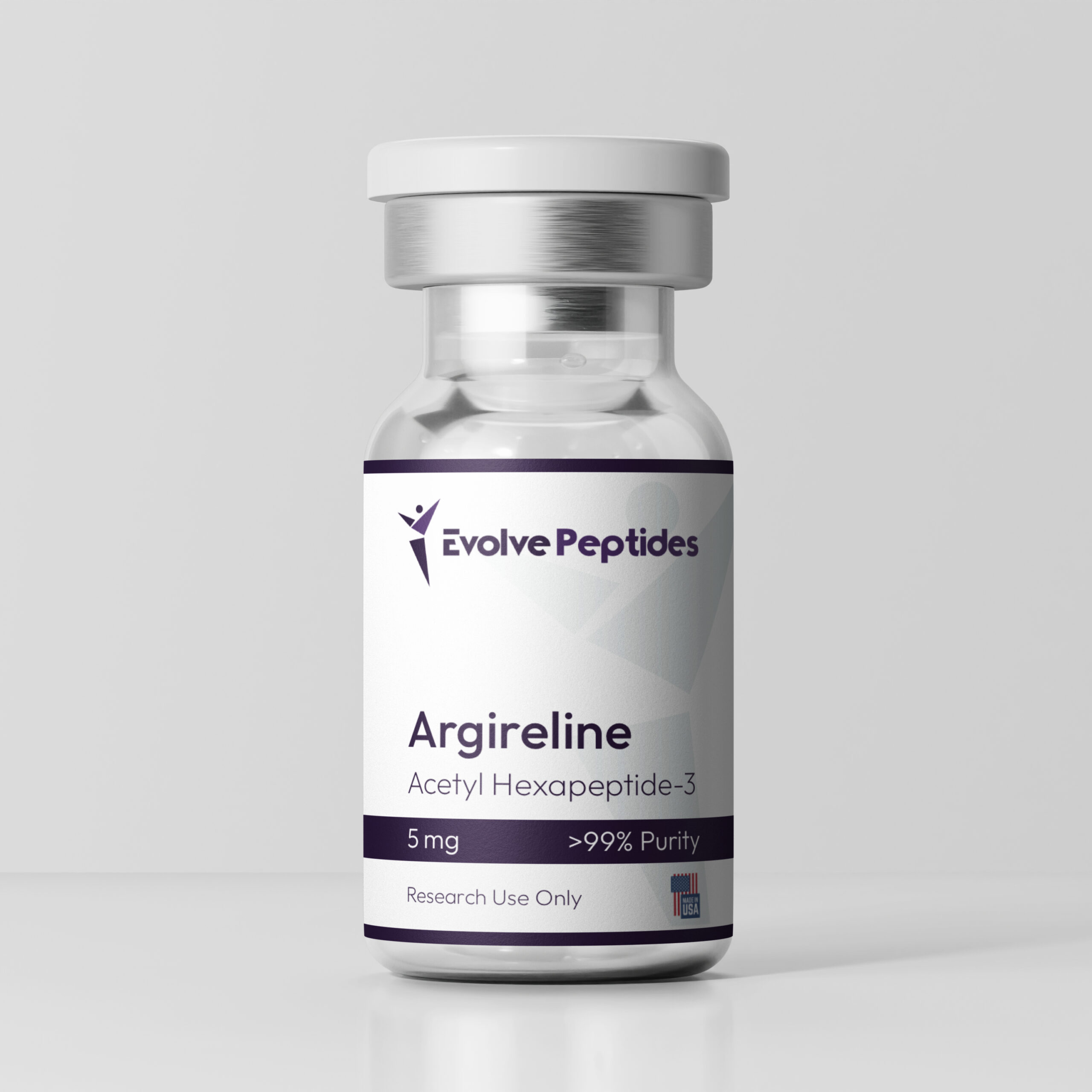
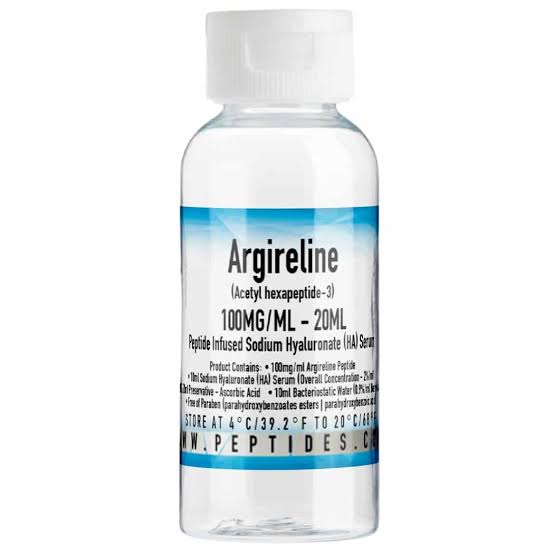

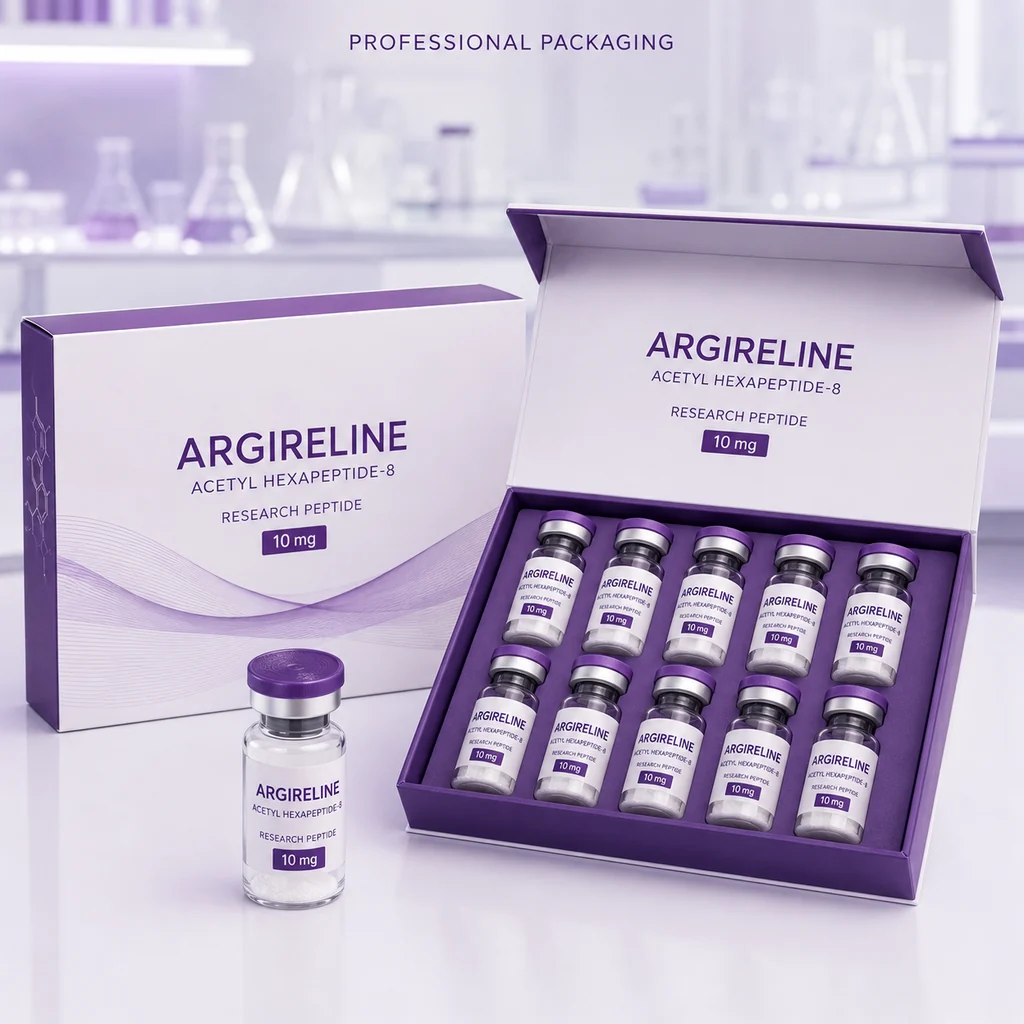



Acetyl Hexapeptide-3 represents a triumph of biomimetic peptide science—an ingredient that leverages our understanding of cellular communication to deliver visible anti-aging results. By mimicking the action of botulinum toxin through a topical, non-invasive mechanism, it offers consumers a powerful tool in the fight against expression lines and photoaging.
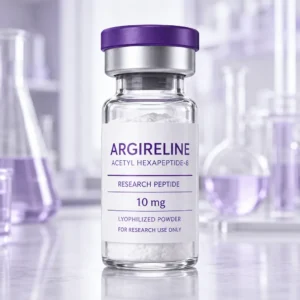
Price range: £45.00 through £370.00
In the ever-evolving landscape of cosmetic science, few ingredients have generated as much excitement as Acetyl Hexapeptide-3. Known commercially as Argireline, this synthetic peptide has emerged as one of the most compelling alternatives to invasive aesthetic procedures, offering visible anti-wrinkle results through a sophisticated biomimetic mechanism. By understanding the science behind this remarkable compound, formulators and consumers alike can appreciate why it has become a cornerstone of modern anti-aging skincare.

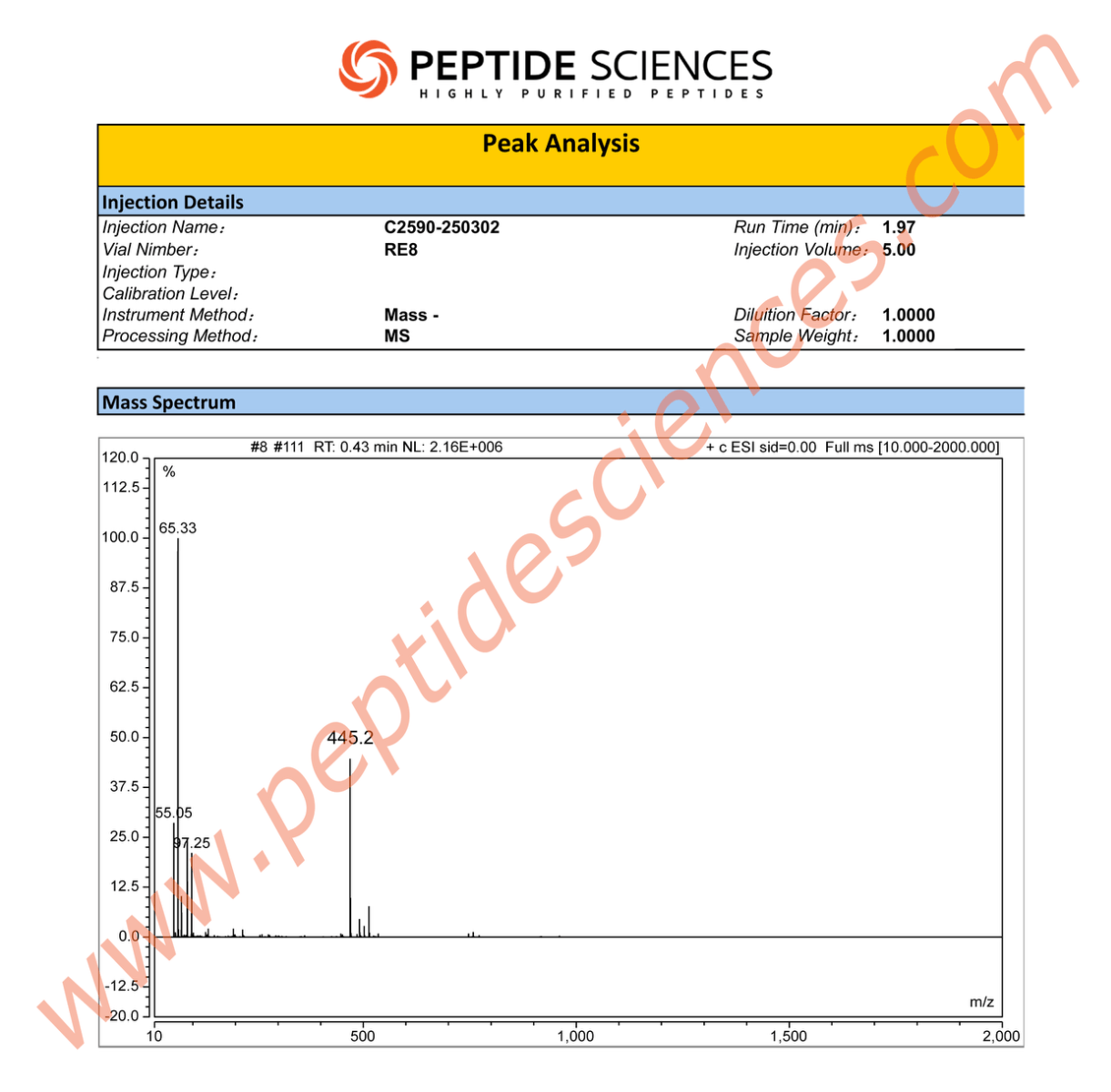
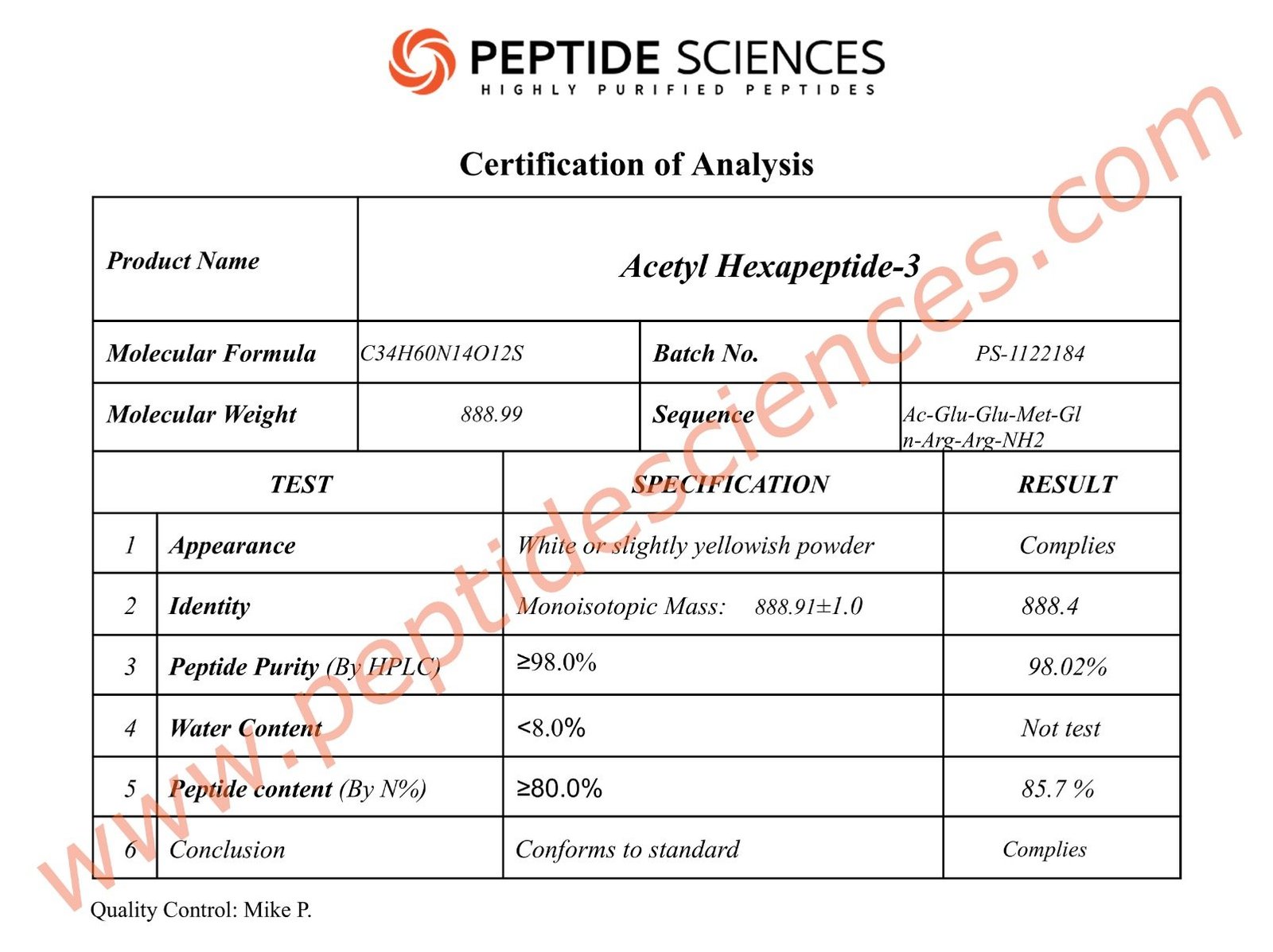
Acetyl Hexapeptide 3 (CAS 616204-22-9) is a synthetic acetylated and amidated hexapeptide consisting of six amino acids. Its molecular formula is C₃₄H₆₀N₁₄O₁₂S, with a molecular weight of approximately 888.99 g/mol. The peptide sequence is Ac-Glu-Glu-Met-Gln-Arg-Arg-NH₂ (or Ac-EEMQRR-NH₂), representing amino acid residues 12-17 of the synaptosomal-associated protein SNAP-25.
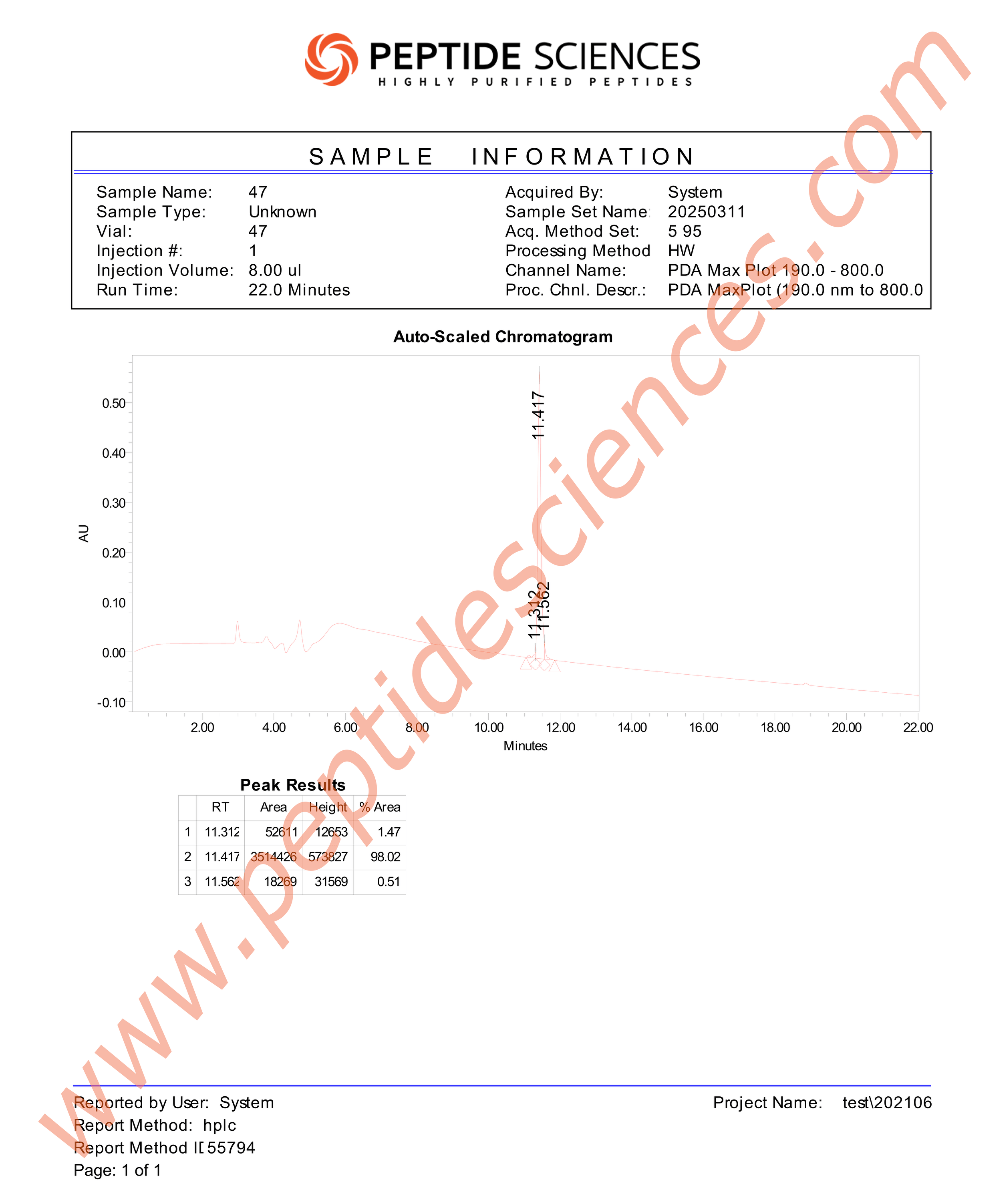
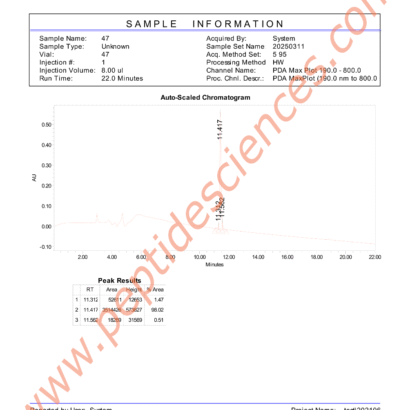
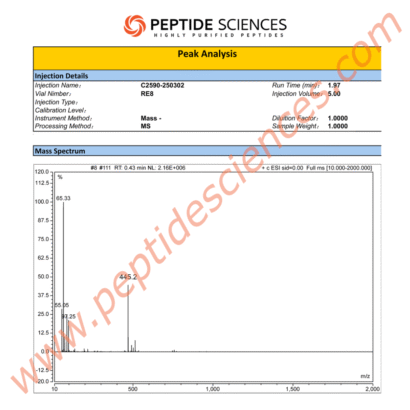
In its pure form, Argireline Peptide appears as a white to off-white powder with a purity typically exceeding 98%. It demonstrates excellent solubility in water and DMSO, making it highly versatile for various formulation types. The Argireline Peptide exhibits a melting point between 202.7-205.7°C and a density of 1.54 g/cm³. For optimal stability, the compound should be stored at -20°C in powder form, where it can remain stable for up to three years. These physicochemical properties make it an ideal candidate for incorporation into serums, creams, and other topical delivery systems.
What sets Acetyl Hexapeptide 3 apart from conventional moisturizing or antioxidant ingredients is its unique mechanism of action. The peptide is patterned from the N-terminal end of the SNAP-25 protein, which is a substrate of botulinum toxin—more commonly known as Botox. SNAP-25 is an essential component of the SNARE (soluble N-ethylmaleimide-sensitive factor attachment protein receptor) complex, which is critical for the docking and fusion of synaptic vesicles to the presynaptic membrane for neurotransmitter release.
Acetyl Hexapeptide-3 works by competitively inhibiting the formation of the SNARE complex. By competing with SNAP-25 for binding sites within this complex, the peptide prevents the proper assembly of the neurotransmitter release machinery. This results in the inhibition of calcium-dependent neurotransmitter (acetylcholine) release at the neuromuscular junction. The consequence is a reduction in the intensity of micro-contractions that cause facial expression lines—the very mechanism that makes Botox effective, but delivered through a topical, non-invasive route.
Research has demonstrated that Acetyl Hexapeptide-3 inhibits acetylcholine release in a concentration-dependent manner. In permeabilized chromaffin cells, it exhibits an IC₅₀ of 110 μM for inhibiting calcium-induced norepinephrine release. This targeted, localized effect allows for the relaxation of facial muscles without the systemic effects or invasiveness associated with injectable neurotoxins.
The anti-wrinkle efficacy of Acetyl Hexapeptide-3 is well-documented in both in vitro and in vivo studies. Perhaps most compelling is the clinical data showing that formulations containing 10% Acetyl Hexapeptide-3 can reduce the depth of wrinkles by up to 30% after just 30 days of trial use. This impressive result positions the peptide as one of the most effective topical anti-wrinkle ingredients available.
Beyond its primary mechanism of muscle relaxation, Acetyl Hexapeptide-3 offers a multifaceted approach to skin rejuvenation. Recent research has revealed that treatment with the peptide enhances skin hydration, reduces scaling, and improves the structural organization of the stratum corneum. Functional assays have demonstrated that it suppresses acetylcholine release while simultaneously upregulating the antioxidant enzyme SOD2 and stimulating type I collagen synthesis.
The collagen-stimulating properties are particularly noteworthy. In aged skin samples, the application of Acetyl Hexapeptide-3 significantly increased collagen levels. In vivo studies involving topical administration to elderly mice twice daily for six weeks resulted in notable histological improvements in skin tissue. Specifically, the quantity of type I collagen fibers increased significantly, while the amount of type III collagen fibers decreased—a pattern indicative of skin rejuvenation. This demonstrates the peptide’s capability to enhance the histological architecture of skin tissue and restore aged skin. In a mouse model of subacute aging, a 10% oil-and-water emulsion of the peptide inhibited decreases in type I collagen levels and skin thickness.
Acetyl Hexapeptide-3 has found widespread application across the cosmetic and personal care industries. It is particularly valued in eye care products, where expression lines around the eyes are a primary concern. The peptide is also a popular ingredient in facial serums, anti-wrinkle creams, and targeted treatment products designed to address dynamic wrinkles.
The peptide’s mechanism makes it especially effective for treating expression lines—those wrinkles caused by repeated facial movements such as frowning, squinting, and smiling. Common application areas include crow’s feet, forehead lines, and glabellar lines (the “11” lines between the eyebrows). When incorporated into a comprehensive anti-aging regimen, Acetyl Hexapeptide-3 complements other active ingredients such as retinoids, vitamin C, and hyaluronic acid, offering both immediate and long-term skin benefits.

One of the most significant advantages of Acetyl Hexapeptide-3 is its excellent safety profile. The peptide is described as non-toxic and skin-permeable. Unlike botulinum toxin injections, which require medical supervision and carry risks of adverse effects, topical Acetyl Hexapeptide-3 offers a gentle, well-tolerated alternative for consumers seeking anti-wrinkle benefits. Its mechanism is localized to the superficial layers of the skin, minimizing the risk of systemic effects while delivering meaningful aesthetic improvements.
The peptide’s ability to inhibit neurotransmitter release, stimulate collagen synthesis, and enhance overall skin quality positions it as an essential component of modern anti-aging formulations. As research continues to unveil new applications and benefits, Acetyl Hexapeptide-3 stands as a testament to the potential of peptide science in cosmetic dermatology—a safe, effective, and science-backed solution for those seeking to maintain youthful, radiant skin.
| Dosage | 5mg, 10mg, 100mg, 200mg, 1gram |
|---|