
Currently Empty: £0.00

Call Us:

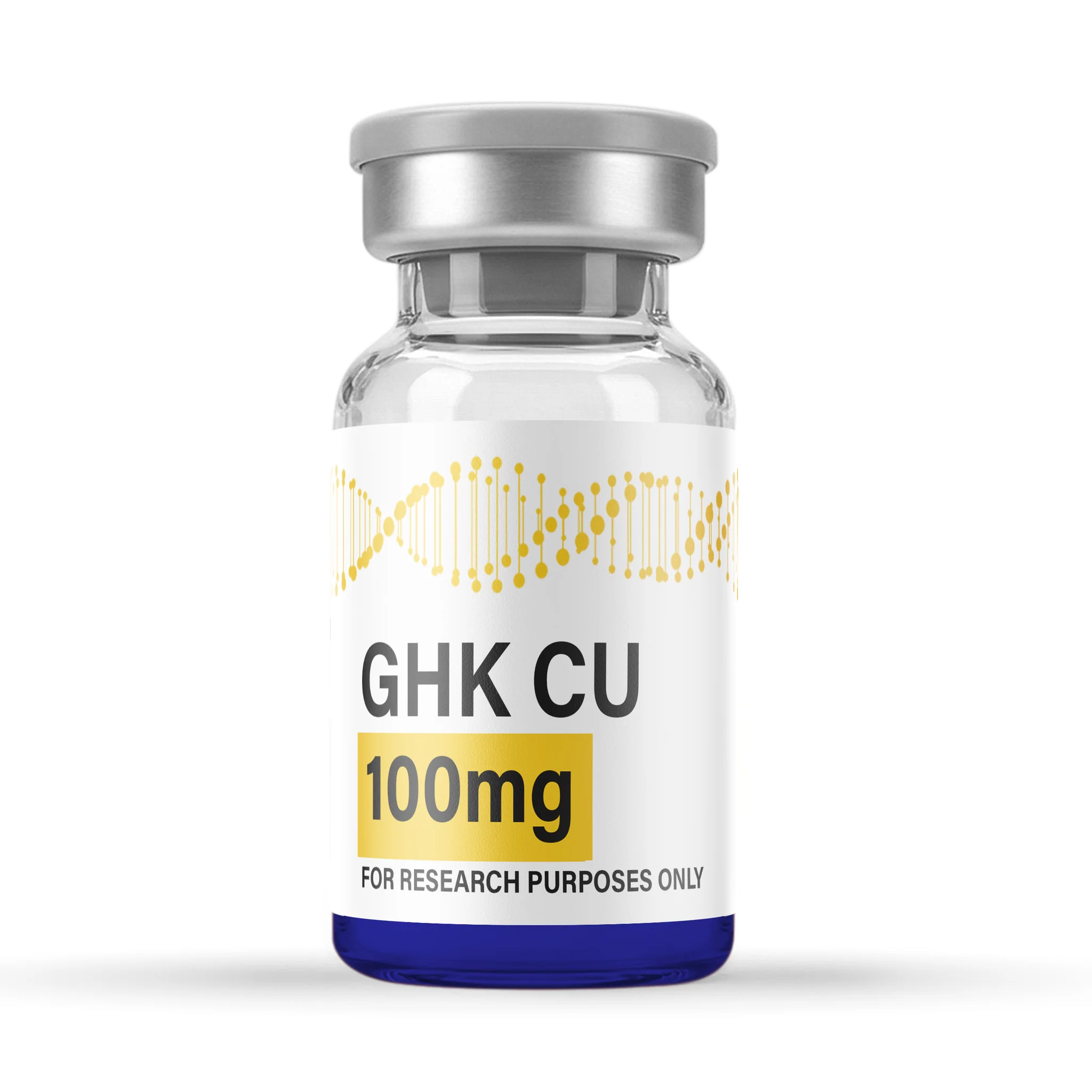
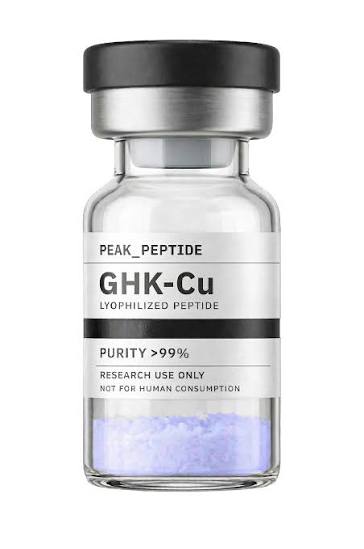


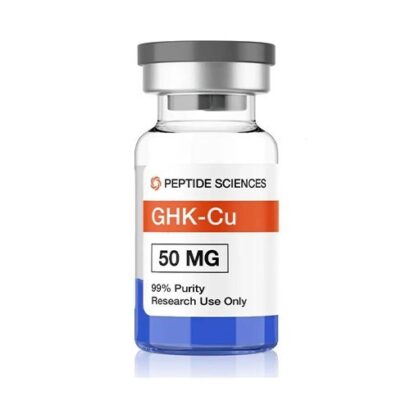

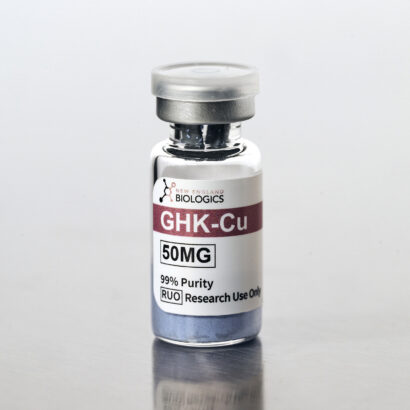


GHK-Cu is more than a skincare trend—it is a science-backed, naturally occurring peptide with profound regenerative properties. From stimulating collagen and elastin to supporting wound healing and hair growth, its ability to activate the skin’s own repair machinery sets it apart from many other anti-aging ingredients. With proper use and realistic expectations, it can become a cornerstone of an effective, evidence-based skincare routine.

Price range: £80.00 through £1,025.00
In the world of advanced skincare and regenerative medicine, few ingredients command as much scientific respect as GHK-Cu Injection, commonly known as copper peptide. First identified in human plasma in 1973 by Dr. Loren Pickart, this naturally occurring peptide has been studied for decades for its remarkable ability to stimulate collagen, accelerate healing, and combat signs of aging . As its levels naturally decline with age, topical and therapeutic applications of GHK-Cu have emerged as a powerful strategy to restore the skin’s youthful resilience and support overall tissue health .

GHK-Cu is a copper-complexed tripeptide with the amino acid sequence glycyl-histidyl-lysine (GHK) . It occurs naturally in human plasma, saliva, and urine, where it plays a critical role in tissue repair and regeneration . The copper component is not merely an additive—it is essential to the molecule’s biological activity. The peptide functions primarily as a carrier peptide, delivering copper ions directly into cells to activate enzymatic processes involved in collagen synthesis, antioxidant defense, and wound healing .
As we age, plasma levels of GHK decline significantly—from approximately 200 ng/mL in young adults to much lower concentrations in older individuals . This decline correlates directly with observable decreases in skin elasticity, wound healing capacity, and overall regenerative potential, making It a compelling target for age-related interventions .
It exerts its effects through multiple complementary mechanisms:
· Collagen and Elastin Stimulation: It stimulates fibroblasts—the cells responsible for producing collagen and elastin—to synthesize new structural proteins. A 1998 study found that collagen production increased by 70% after one month of applying it, compared with a 40% increase from tretinoin . It promotes both type I and type III collagen synthesis, restoring skin firmness and resilience .
· Antioxidant Protection: The copper component activates superoxide dismutase (SOD), an endogenous antioxidant enzyme that neutralizes free radicals from UV exposure, pollution, and other environmental stressors . This reduces oxidative damage and protects the skin barrier .
· Anti-Inflammatory Action: It modulates immune cell activity to reduce levels of pro-inflammatory cytokines, including TGF-β1 and TNF-α . This calming effect makes it particularly beneficial for compromised or sensitized skin.
· Matrix Remodeling: It promotes both the synthesis of new extracellular matrix components and the remodeling of existing tissue by modulating matrix metalloproteinases (MMPs), including MMP-2 . This balanced process helps remove damaged connective tissue while simultaneously adding new tissue .
Skin Firmness and Anti-Aging
GHK-Cu is most widely recognized for its anti-aging benefits. It stimulates collagen and elastin production, visibly reducing fine lines, wrinkles, and improving skin elasticity . It also promotes the production of glycosaminoglycans, including hyaluronic acid, which enhances hydration and plumpness . Studies have shown improvements in skin density, thickness, and even reductions in mottled pigmentation with topical use .
Wound Healing and Scar Reduction
It has a long history in wound care research. In one clinical trial, a 2% GHK-Cu gel achieved wound closure three times faster than placebo, with a significantly lower rate of infection . It accelerates wound contraction and tissue repair, making it valuable for post-procedure recovery and acne scar improvement .
Hair Growth Support
Copper peptides have gained popularity in scalp treatments for their ability to support hair follicle health. GHK-Cu enhances microcirculation in the scalp, delivering oxygen and nutrients to hair roots, while also suppressing TGF-β1 overexpression associated with hereditary hair loss . Research suggests it may enlarge follicle size and prolong the hair’s growth (anagen) phase .
GHK-Cu is available in several formats:
· Topical Serums and Creams: Applied directly to the skin, these formulations are the most common and well-studied route. Concentrations typically range from 0.2% to 2% . Results generally appear after 8 to 12 weeks of consistent use .
· Hair Foams and Droppers: Designed for scalp application to support hair density and follicle health .
· Troches and Compounded Formulations: Sublingual dissolve formats are available for systemic absorption, though these require professional oversight .

Stability and Compatibility
It is notoriously unstable and does not play well with other active ingredients . Avoid combining it with:
· High-strength vitamin C (L-ascorbic acid)
· AHAs/BHAs (acids)
· Retinoids
The low pH of these actives can degrade peptides, reducing their efficacy . The best approach is to alternate copper peptides with other actives—use them in the morning and retinoids at night, or on alternating days .
Topical GHK-Cu is generally well-tolerated with low systemic absorption. It has not been found to be cytotoxic or irritating in topical formulations . However, individuals with copper sensitivity, copper overload disorders, or who are pregnant/nursing should consult a healthcare provider before use .
It continues to generate interest beyond topical skincare. Recent research has explored its potential in cognitive health, with a 2026 study showing that it improved hippocampal-dependent learning in aged mice . Injectable formulations are being investigated for soft tissue fillers with anti-inflammatory and antioxidant properties . While many of these applications remain preliminary, the decades of research supporting GHK-Cu’s safety and efficacy make it one of the most trusted and versatile peptides in modern dermatology .
| Choose | Small Vials, Gram Scale |
|---|---|
| Dosage | 50mg, 100mg, 1g, 2g, 5g, 10g |
| Quantity | 1 Vial, 2 Vials, 5 Vials, 1g, 2g, 5g, 10g |


