
Blog
Peptide Science Wyoming

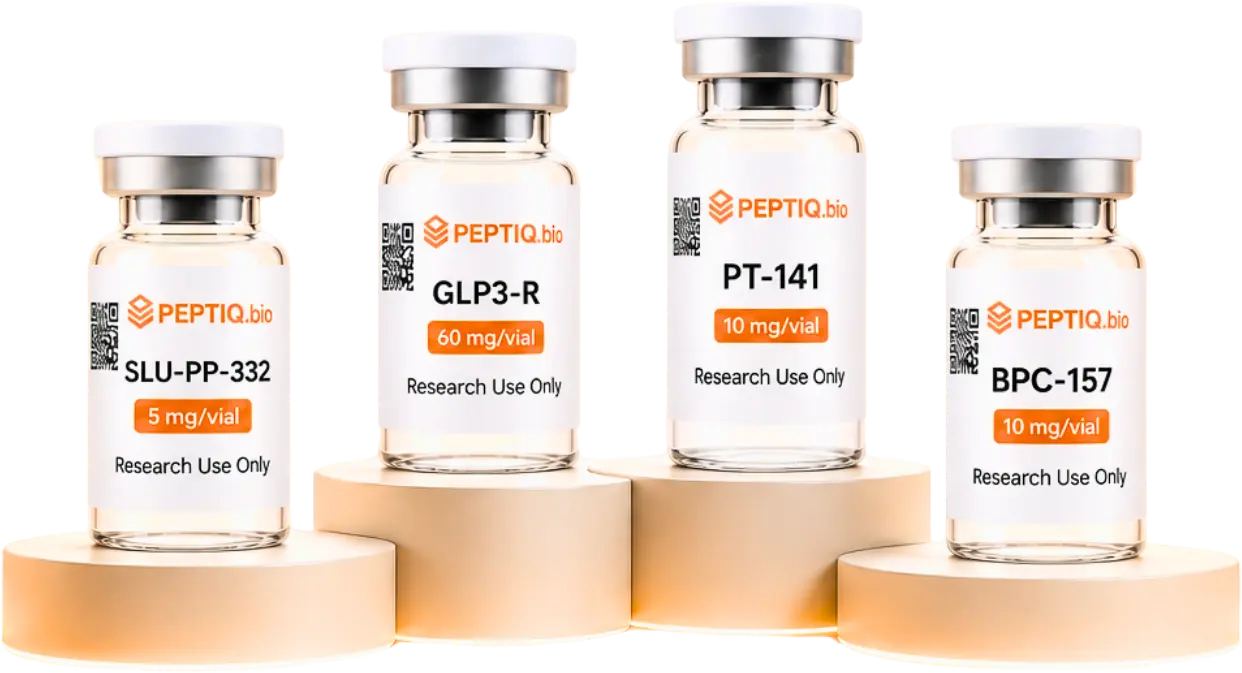
Peptide Science Wyoming: Overview of Research and Innovation
Peptide Science Wyoming may be the least populous state in the United States, but the Equality State has cultivated a distinctive and surprisingly robust presence in peptide science. Anchored by the research capabilities of the University of Wyoming (UW) and supported by a growing network of research peptide suppliers, clinical peptide therapy providers, and biomedical research infrastructure, Peptide Science Wyoming is making meaningful contributions to the field despite its small population. This article explores the multifaceted landscape of peptide science across the Cowboy State.
Academic Research and Institutional Leadership
The University of Wyoming: A Hub of Peptide-Focused Research
The University of Wyoming serves as the undisputed center of the state’s peptide science ecosystem. Through its Department of Chemistry, College of Agriculture and Natural Resources, and affiliation with the Wyoming INBRE program, UW hosts several research initiatives that touch upon peptide science.
Prion Research and Peptide Aptamers
One of the most significant areas of peptide research at UW involves the study of prion diseases—fatal neurodegenerative disorders characterized by the accumulation of misfolded proteins. The laboratory of Dr. Hermann Schatzl has made important contributions to this field by employing peptide aptamer technology. Peptide aptamers are combinatorial constrained peptides embedded in a scaffold protein that can bind to target proteins with high specificity.
Schatzl’s group created a combinatorial constrained peptide library and screened it for prion protein-binding peptide aptamers. The identified peptide aptamers were found to significantly inhibit prion conversion in infected cells in a dose- and time-dependent manner. This research was groundbreaking because the team successfully targeted peptide aptamers to the secretory pathway in mammalian cells for the first time, demonstrating that the range of target proteins for peptide aptamers can be extended to proteins expressed in this pathway.
Beyond prion diseases, these anti-prion compounds may also hold promise for Alzheimer’s disease research, as recent findings suggest they might function as competitive inhibitors of amyloid-beta toxicity. This work has helped establish a new area of research at the University of Wyoming in prion biology and cellular and molecular neurodegeneration.
Food Safety and Antimicrobial Peptides
UW researchers in Animal Science and Molecular Biology have collaborated on projects focused on food safety, including the development of more effective antibiotics useful in protecting foods stored at low temperatures. A notable example is research on pediocin, a peptide produced by a common bacterium that can prevent the growth of other, pathogenic bacteria. UW scientists have successfully cloned the gene for this peptide, representing an important step toward its potential application in food preservation.
Mass Spectrometry and Proteomics
The Basile Lab in the Department of Chemistry at UW focuses on developing mass spectrometry (MS)-based techniques for the analysis of small molecules and proteins in a wide range of biological and environmental samples. This highly interdisciplinary research includes the development of MS-based molecular imaging techniques such as imaging MALDI-MS and MALDESI-MS. The lab’s work on proteomics provides essential analytical infrastructure for peptide characterization and discovery across the state.
UW researchers have also developed a patented method and apparatus for pyrolysis-induced cleavage in peptides and proteins, which can be carried out at atmospheric pressures in approximately 5 to 30 seconds. This innovation represents a significant advance in peptide and protein analysis techniques.
Spider Silk Peptides and Structural Studies
Other peptide-related research at UW has included structural studies of dragline silk proteins and their peptides, as well as investigations into the solid-state molecular dynamics of spider silk peptides in fibers. The Department of Chemistry has also conducted research on the temperature dependence of amide I vibrational frequencies of peptides in solution.
Wyoming INBRE: Building Biomedical Research Capacity
The Wyoming IDeA Networks for Biomedical Research Excellence (INBRE) program, funded by the National Institutes of Health, plays a critical role in supporting peptide and biomedical research across the state. The University of Wyoming is one of 24 institutions funded by this program, which aims to enhance biomedical research capacity, expand and strengthen the research capabilities of biomedical faculty, and provide access to biomedical resources for students throughout Wyoming.
The Wyoming INBRE network includes the University of Wyoming as the lead institution and eight Wyoming community colleges. The program supports equipment acquisition, including a new sc-XRD instrument capable of solving structures of small-to-medium sized proteins. The Data Science Core (formerly Bioinformatics Core) supported by Wyoming INBRE offers a broad range of services to Wyoming students and researchers in biomedical and biological sciences, providing essential computational infrastructure for peptide-related research.
Research Infrastructure and Core Facilities
Analytical and Structural Biology Capabilities
The University of Wyoming’s Department of Chemistry, with funding from Wyoming INBRE, recently acquired a new single-crystal X-ray diffraction (sc-XRD) instrument that has the capability to solve structures of small-to-medium sized proteins. This capability is essential for understanding peptide and protein structure at the atomic level.
The Basile Lab’s mass spectrometry facilities provide critical analytical capabilities for peptide characterization, including imaging MALDI-MS and MALDESI-MS techniques. These instruments enable researchers to analyze peptides in biological samples with high spatial resolution.
Commercial Landscape
Research Peptide Suppliers
Wyoming has emerged as an unlikely hub for research peptide suppliers, with several companies establishing a presence in the state.
Koi Peptides
Koi Peptides, operating as Koi Research Labs LLC with a registered office in Sheridan, Wyoming, is a US-based research peptide supplier that synthesizes and freeze-dries its compounds domestically. The brand was started in 2022 by a small group of researchers and chemists. The company maintains a release standard of 99% purity or higher on every batch, measured by high-performance liquid chromatography (HPLC), with independent third-party testing confirming molecular weight and sequence integrity by liquid chromatography-mass spectrometry (LC-MS).
Koi Peptides offers more than 100 standard research peptides and blends organized around tissue-repair, metabolic, cognitive, and longevity research areas. The company serves universities, contract research organizations, and biotech labs. In 2026, Koi Peptides launched a wholesale program supplying bulk research-use-only peptides to qualified research buyers.
Bluum Peptides and Other Suppliers
Bluum Peptides is another research peptide supplier located in Sheridan, Wyoming. Limitless Biochem LLC, also based in Sheridan, is an EU-focused supplier of research-grade compounds and peptides. These companies contribute to Wyoming’s growing reputation as a location for research peptide supply.
Amino Innovations
Through its subsidiary Amino Innovations, a Wyoming-based company offers advanced, non-injectable peptide delivery systems that support recovery, cognitive function, and overall health. These peptide-based formulations are manufactured in cGMP-certified facilities in the United States.
Nutriwyo: Diabetic Wound Treatment
Nutriwyo, affiliated with the University of Wyoming, is developing a novel treatment strategy for diabetic wounds. The goal is to develop a new approach to treat diabetic wounds by using a potent and selective protease inhibitor. This represents a translational effort emerging from UW research.
Clinical Applications and Peptide Therapy
Peptide Therapy Clinics
Despite Wyoming’s small population, several clinics across the state offer peptide therapy services. EVEXIAS Health Solutions provides peptide therapy through a nationwide network of trained providers, with services available in Wyoming. When combined with hormone optimization, peptides can enhance hormone receptor sensitivity, support adrenal function, improve metabolic health, and accelerate tissue repair.
Clinic Offerings
Several clinics in Wyoming offer peptide therapy with varying menus of compounds:
· Radiant Health in Sheridan offers BPC-157, thymosin beta-4, CJC-1295, and related compounds.
· Infinite Health Zone in Jackson offers semaglutide, Ozempic, Wegovy, and thymosin alpha-1.
· Prometheuz HRT in Jackson offers peptide therapy, hormone optimization, and GLP-1 medical weight loss.
· Healthy Lifestyle Medicine in Cheyenne offers BPC-157, CJC-1295, and Ipamorelin.
· Melt MedSpa in Cheyenne offers semaglutide, tirzepatide, and GLP-1 medical weight loss.
Sermorelin Therapy
Sermorelin peptide therapy has grown steadily across Wyoming since 2024, driven by residents in Cheyenne, Casper, and Laramie seeking alternatives to synthetic growth hormone. Telehealth platforms now provide licensed sermorelin prescriptions to Wyoming adults, with peptides shipped from FDA-registered 503B pharmacies.
Conclusion
Wyoming has established a distinctive niche in the peptide science landscape, built upon the research foundation of the University of Wyoming and supported by a growing network of research peptide suppliers and clinical providers. The state’s research strengths include prion biology and peptide aptamer technology, food safety applications of antimicrobial peptides, and advanced mass spectrometry-based proteomics.
The Wyoming INBRE program provides essential infrastructure and support for biomedical research across the state, while commercial entities like Koi Peptides and others have chosen Wyoming as their base of operations. Clinical peptide therapy is becoming increasingly available across the state, bringing peptide-based treatments to Wyoming residents.
While Wyoming’s peptide science ecosystem may be smaller than those in more populous states, its focused approach—from fundamental prion research to clinical applications—demonstrates the state’s commitment to advancing this important field. As peptide science continues to evolve, Wyoming’s combination of academic research, commercial enterprise, and clinical application positions it to remain a meaningful contributor to peptide-based biomedical research and development.