
Blog
Peptide Science Florida

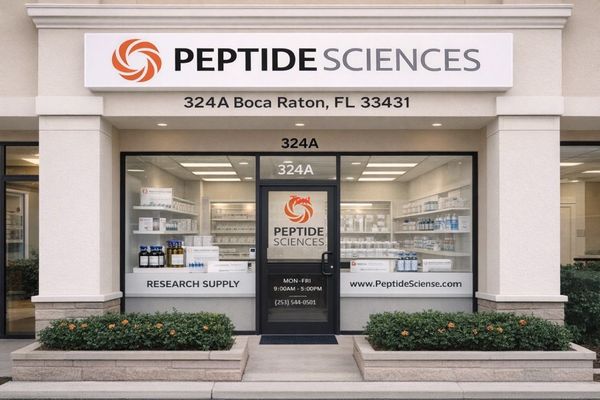
Peptide Science Florida has long been a peninsula of paradoxes. It is a place where cutting-edge biotechnology startups flourish alongside “pill mill” crackdowns, and where retirees seek longevity treatments in the same strip malls as college students buy supplements. This duality is currently playing out with dramatic intensity in one specific field: Peptide Science.
To the biochemist, peptides—short chains of amino acids—are the next frontier of personalized medicine, offering targeted therapies for metabolic disorders, muscle wasting, and cognitive decline . To the federal prosecutor, however, the rapid proliferation of these compounds in Florida represents a new vector for unregulated drugs and healthcare fraud .
As of 2026, Florida stands at ground zero of this tension. The recent implosion of the national vendor “Peptide Sciences” has sent shockwaves through Miami’s med spas and Fort Lauderdale’s wellness clinics, forcing a critical question: Is Florida building a biotech revolution or a regulatory nightmare? The answer, it turns out, is both.
The Science: Beyond the “Biohacker” Stereotype Peptide Science Florida
To understand the legal chaos, one must first understand the value of the molecules. Peptide Science Florida is not pseudoscience. It is a rigorous discipline studied in major journals and university labs, focusing on how short chains of amino acids signal the body to heal .
In legitimate clinical settings, peptides offer solutions where traditional pharmaceuticals fail. For example, BPC-157, a body protection compound, has shown remarkable potential in animal studies for healing tendons, ligaments, and even the gut without the toxicity of non-steroidal anti-inflammatory drugs. TB-500 offers similar regenerative capabilities for muscle tissue. GLP-1 agonists (like semaglutide and tirzepatide) have revolutionized the treatment of obesity and diabetes, creating a massive demand that legitimate supply chains struggle to meet .
The problem is not the science; it is the delivery system. When practiced correctly, peptide therapy requires a licensed physician, a valid patient-specific prescription, and a compounding pharmacy operating under Current Good Manufacturing Practices (CGMP). When practiced recklessly, it involves ordering vials of lyophilized powder from an unregulated website and injecting them based on advice from a Reddit forum.
The Shutdown: The Fall of Peptide Sciences
The landscape shifted seismically on March 6, 2026. Peptide Sciences, widely considered the largest research peptide vendor in the United States, posted a three-sentence shutdown notice and vanished .
To the casual observer, it was a quiet exit. To federal law enforcement, it was a trophy kill. At its peak, Peptide Sciences was reportedly moving $7.4 million a month in sales. They sold compounds like BPC-157, retatrutide, and various GLP-1 analogs under the guise of “research use only” and “not for human consumption.”
The government was never fooled by these labels. The shutdown was labeled “voluntary,” but it followed an 18-month federal blitz. Prior to this, the FDA had physically raided the Memphis warehouse of Amino Asylum. The founders of Paradigm Peptides had pleaded guilty in Indiana, with the government producing evidence that products labeled as research chemicals contained actual testosterone (a controlled substance) .
For Florida businesses, the message was unmistakable: the gray market is closed. The pretense of selling peptides “for research” to customers who clearly intended to inject them is no longer a legal shield.
Florida in the Crosshairs
Why does this matter more in Florida than anywhere else? Density and demographics.
South Florida, specifically the corridor from West Palm Beach to Miami, is the “Med Spa Capital” of the universe. The region is saturated with longevity clinics, IV hydration bars, hormone optimization centers, and concierge doctors. These businesses are built on a clientele of wealthy, aging individuals desperate for vitality and biohacking—the perfect demographic for peptide therapy .
For the last five years, many of these clinics sourced their peptides not from FDA-approved suppliers, but from the gray market vendors that have now shut down or been indicted. They relied on the “research peptide” supply chain because it was cheaper and didn’t require the rigorous paperwork of a pharmaceutical wholesaler.
This has created a compliance nightmare. The U.S. Attorney’s Offices in the Southern and Middle Districts of Florida are now actively investigating healthcare fraud. Prosecutors are looking for a specific nexus: clinics that bought from now-defunct gray market sellers and dispensed those vials without a “bona fide prescriber relationship” .
A False Signal: The HHS Reclassification
Adding to the confusion is a recent announcement that many in the industry have dangerously misinterpreted as a “green light.” HHS Secretary Robert F. Kennedy Jr. recently announced a shift in peptide scheduling, moving fourteen peptides back to “Category 1” status, ostensibly restoring access through licensed compounding pharmacies with a prescription .
Clinics across Florida celebrated this as a win for access. However, legal experts warn this is a trap. The government did not decriminalize black-market peptides; they streamlined the legal channel. As one federal defense attorney noted, the government is “telling the market that the legitimate channel is a licensed pharmacy with a prescriber. That same message tells federal prosecutors that the gray market channel is no longer necessary, and therefore harder to defend” .
If you are a Florida doctor dispensing peptides from a bottle that did not come from a registered 503A or 503B pharmacy, you no longer have the excuse that there was no legal pathway. There is now a pathway, and deviation from it is willful negligence.
The Future: Compliance or Collapse
Looking ahead, the future of Peptide Science in Florida bifurcates into two distinct paths.
Path One: The End of the “Wild West”
The small clinic that buys lyophilized powder in bulk from an internet vendor and reconstitutes it with bacteriostatic water in the back office is living on borrowed time. Given the digital trail left by credit card processing and shipping records, it is not a matter of if they are audited, but when. The establishment of Legacy Peptide Sciences, LLC in Miami in March 2026 suggests new entities are forming, but they must do so strictly within the framework of the law—likely focusing on peptide synthesis for research institutions (with proper IRB oversight) rather than direct-to-consumer wellness.
Path Two: The Renaissance of Legitimate Research
The genuine scientific community in Florida—including the University of Florida, Florida State, and the various biotech incubators in Tampa and Orlando—continues to thrive. The crackdown removes the “snake oil” sellers who gave the industry a bad name. For legitimate researchers, the Peptide Science journal (published by Wiley and the American Peptide Society) continues to document breakthroughs in cancer therapeutics and metabolic disease .
The New Rules for Florida Operators
For the state to truly lead in peptide science rather than become a cautionary tale on the DOJ website, a cultural shift is required.
- Source Verification is Mandatory
The days of buying from the cheapest Google Ad are over. Florida clinics must now demand Certificates of Analysis from FDA-registered facilities. If the peptide vial does not come with a traceable chain of custody from a legitimate compounder, it cannot enter the patient’s body. - The “Research Only” Defense is Dead
Florida courts have seen this defense fail repeatedly in the context of kratom, SARMs, and now peptides. Once you hand a “research chemical” to a human patient, it is a drug. If that drug is not approved by the FDA (or does not meet the standards of the United States Pharmacopeia), it is an unapproved new drug, and marketing it is a federal crime. - Documentation is Everything
If a physician prescribes a peptide, there must be a medical record justifying it. “Anti-aging” is a marketing term, not a diagnosis. There must be a specific complaint (e.g., “rotator cuff tear” or “diabetes type II”) and a treatment plan. Without that, the transaction is simply drug distribution.
Conclusion
Peptide science in Florida is at a crossroads. On one side lies the potential for incredible therapeutic breakthroughs and establishing the state as a leader in longevity medicine. On the other lies the wreckage of the gray market—businesses that mistook high demand for legitimacy and confused federal tolerance for approval.
The shutdown of Peptide Sciences serves as an extinction event for the unregulated peptide trade. For the clinics, doctors, and researchers willing to work within the confines of the law, utilizing proper pharmacies and rigorous medical oversight, the future remains bright. For those still clinging to the “research only” loophole, the Sunshine State is about to get very dark.
Disclaimer: This article is for informational purposes only and does not constitute legal or medical advice. Laws regarding peptides are evolving rapidly; readers should consult with a qualified attorney and medical board.