
Blog
Peptide Science Idaho

Peptide Science Idaho: The Gem State’s Quiet Rise in Regenerative Research
When one thinks of Peptide Science Idaho, the mind drifts to pristine wilderness, the Sawtooth Mountains, the Snake River, and endless fields of potatoes. It is a place known for its rugged independence, agricultural abundance, and outdoor lifestyle. It is rarely the first location that comes to mind for cutting-edge biochemical research or peptide therapeutics.
Yet beneath the quiet surface of the Gem State lies an emerging nexus of peptide science that is reshaping how regenerative medicine reaches the people who need it most. Idaho is not home to massive pharmaceutical headquarters or billion-dollar biotech campuses. Instead, Peptide Science Idaho landscape is defined by something distinctly Idahoan: pragmatism, accessibility, and a deep connection to the health and wellness of its communities.
This article explores the unique character of peptide science in Idaho—examining the academic research happening in its universities, the clinical applications spreading through its clinics, the regulatory shifts reshaping the industry, and how the state’s independent spirit is driving innovation in therapeutic peptides.
The Academic Foundation: NCL and the University of Idaho
Any discussion of legitimate peptide science must begin with the research. While Idaho may not have the Ivy League cachet of Boston or the biotech density of San Francisco, it has something perhaps more valuable: quiet excellence in specific niches.
The University of Idaho, with its main campus in Moscow and a significant presence in Coeur d’Alene, has contributed meaningfully to the field of peptide chemistry. In particular, researchers affiliated with the University of Idaho have been involved in advancing Native Chemical Ligation (NCL) , a technique that has revolutionized how scientists synthesize proteins .
For over two decades, NCL has enabled the total synthesis of complex protein targets by allowing researchers to link unprotected peptide fragments in aqueous solution—essentially, building large proteins from smaller, synthetic pieces . This methodology, first developed at The Scripps Research Institute, has been advanced by collaborators including those at the University of Idaho, Coeur d’Alene campus .
Why does this matter? Because NCL is the foundation upon which much of modern peptide therapeutics is built. It allows scientists to create proteins that are identical to those found in nature, opening doors for research into cancer, metabolic disorders, and regenerative medicine. That an Idaho institution plays a role in this field speaks to the state’s understated but real presence in the scientific community.
The Chemistry department at the University of Idaho has also trained students in peptide synthesis, purification, and biological activity assessment—the core competencies required for the next generation of peptide scientists . These graduates do not necessarily need to leave Idaho to find work; increasingly, they are finding opportunities within the state’s growing clinical peptide economy.
The Clinical Landscape: Peptide Therapy Clinics in Boise and Beyond
While academic research provides the foundation, the most visible manifestation of peptide science in Idaho is clinical. A growing number of regenerative medicine clinics across the state are incorporating peptide therapies into their treatment protocols, offering patients access to compounds that were once available only to research laboratories.
Boise Biologics Regenerative Medicine
One of the more prominent players in this space is Boise Biologics Regenerative Medicine, located at 5983 W State Street in Boise . This clinic offers a menu of six specific peptide compounds, including BPC-157, TB-500, CJC-1295, Ipamorelin, Tesamorelin, and PT-141 .
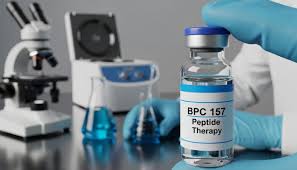
The clinic’s marquee offering is the so-called “Wolverine Peptide Therapy” stack—a combination of BPC-157 and TB-500 that has gained popularity among athletes and patients seeking enhanced tissue repair . This nickname references the Marvel character’s healing factor, and while the analogy is oversimplified, the underlying science is serious. BPC-157 (Body Protection Compound-157) is a synthetic peptide derived from a protein found in gastric juice, with studies suggesting it promotes tendon healing, gut health, and angiogenesis. TB-500 (Thymosin Beta-4) is involved in cell migration, wound healing, and inflammation reduction.
The clinic also offers the CJC-1295 and Ipamorelin stack, a growth-hormone-releasing peptide combination used for anti-aging and metabolic optimization, as well as PT-141 for sexual wellness .
From a patient perspective, the administration is straightforward: subcutaneous injection, similar to insulin . But the clinical reality is more complex. Peptide therapy requires proper prescribing, dosing, and monitoring. Responsible clinics ensure that a licensed physician, nurse practitioner, or physician assistant oversees each protocol .
Wellness Peptides in Middleton
Another notable entity is Wellness Peptides, a compounding pharmacy located at 324 Boise Street in Middleton, Idaho . This is a critical distinction: while clinics administer peptides, compounding pharmacies prepare them. Wellness Peptides is registered with the National Provider Identifier system as a compounding pharmacy, specializing in the preparation of customized drug preparations based on a practitioner’s prescription .
The existence of a compounding pharmacy dedicated to peptides in a town of just over 5,000 residents is remarkable. It signals that the demand for peptide therapies in Idaho is sufficient to support specialized pharmaceutical infrastructure. The pharmacy is managed by Dr. Craig Smith, Pharm D., underscoring that legitimate peptide preparation occurs under professional pharmaceutical oversight .
BioPeak in Ketchum
In the resort town of Ketchum, home to the Sun Valley ski area, BioPeak has established itself as a boutique peptide and regenerative medicine practice . Founded in 2024, BioPeak specializes in peptides, hormone replacement therapy, DUTCH hormone testing, genetic testing, IV and IM nutritional therapy, exosomes, and aesthetic services .
BioPeak’s location in Ketchum reflects a broader trend: peptide therapies are particularly popular in affluent, wellness-oriented communities where patients have the resources and inclination to pursue cutting-edge, self-directed health optimization. The company’s founding in 2024 suggests that even as the regulatory landscape tightens, entrepreneurial clinicians see a future in peptide therapeutics .
The Gray Market and Its Shutdown
To understand the current state of peptide science in Idaho—and across the United States—one must acknowledge the elephant in the room: the “gray market.”
For years, peptides occupied a regulatory gray area. Sold as “research chemicals” or “not for human consumption,” they were available online to anyone with a credit card and a willingness to look the other way regarding their intended use. This market bypassed physicians, compounding pharmacies, and quality controls.
One of the largest players in this space was Peptide Sciences, an online vendor that shipped peptides directly to consumers . The company offered a wide range of peptides, accepted credit cards and cryptocurrency, and even provided free shipping on orders over $200 .
But in March 2026, the landscape shifted dramatically. Reports emerged that the federal government—likely the FDA—had initiated a crackdown on the peptide gray market . Peptide Sciences, a long-standing vendor, shut down entirely .
What does this mean for Idaho? The shutdown of gray-market peptide suppliers is, paradoxically, good news for legitimate peptide science in the state. It forces patients seeking peptide therapies to go through proper medical channels: licensed prescribers and accredited compounding pharmacies . This is precisely the model that Idaho clinics and pharmacies have already built.
As one user on a health forum noted, the crackdown pushed them to see a physician—costing $100 for the appointment—and purchase peptides through a compounding pharmacy at roughly the same price as the gray market had charged . This suggests that the transition to legitimate channels may be smoother than anticipated.
The Role of Compounding Pharmacies in Peptide Access
Compounding pharmacies are the unsung heroes of peptide science in Idaho. Unlike mass-manufactured drugs, peptides for individual patient use are often compounded—meaning they are prepared specifically for a prescription, tailored to the patient’s needs.
Wellness Peptides in Middleton is a prime example. Its classification as a compounding pharmacy is significant because it subjects the facility to state and federal oversight . Compounding pharmacies must adhere to strict standards regarding sterility, ingredient sourcing, and record-keeping. This is a far cry from the unregulated gray market.
For patients in Idaho, the presence of compounding pharmacies that specialize in peptides means access without the need to travel to major metropolitan centers. A patient in Boise or Middleton can obtain prescribed peptides locally, with professional oversight at every step.
Current Trends in Peptide Therapeutics
What are Idaho patients actually using peptides for? The clinics and pharmacies in the state offer a window into current therapeutic trends.
BPC-157 remains one of the most popular peptides. Derived from a protective protein in the stomach, it is used for gut healing, tendon repair, and general tissue recovery. Athletes and individuals with chronic injuries are frequent users.
TB-500 (Thymosin Beta-4) is often paired with BPC-157 in the “Wolverine stack.” It promotes cell migration and wound healing, making it attractive for soft tissue injuries.
CJC-1295 and Ipamorelin are growth-hormone-releasing peptides. Unlike synthetic growth hormone, these peptides stimulate the body’s own production of GH, potentially offering a more physiological approach to muscle maintenance, fat loss, and anti-aging.
PT-141 (Bremelanotide) is used for sexual dysfunction, affecting melanocortin receptors to enhance libido.
Tesamorelin is FDA-approved for reducing visceral fat in HIV patients but is used off-label for general fat reduction and metabolic health .
These compounds represent the vanguard of peptide therapeutics—not FDA-approved for most indications, but supported by a growing body of research and clinical experience.
The Future of Peptide Science in Idaho
Looking forward, several trends will shape the trajectory of peptide science in Idaho.
First, regulatory clarity is coming. The crackdown on gray-market vendors will accelerate the shift toward legitimate medical channels. This benefits Idaho clinics and pharmacies that have already adopted the medical model.
Second, patient education will become increasingly important. As more Idahoans learn about peptide therapies, they will need reliable information about benefits, risks, and costs. Clinics that prioritize transparency will thrive.
Third, research opportunities may expand. With the University of Idaho already contributing to peptide chemistry research, there is potential for collaboration between academic scientists and clinical practitioners. Such partnerships could generate valuable real-world data on peptide efficacy and safety.
Finally, access will remain a defining characteristic of Idaho’s peptide landscape. The state’s clinics and compounding pharmacies are distributed across Boise, Middleton, Ketchum, and likely other communities. This decentralized model ensures that patients do not need to travel to coastal medical centers to access cutting-edge therapies.
Conclusion
Peptide Science Idaho is not an oxymoron; it is a quiet revolution. While the nation’s attention focuses on biotech hubs in California, Massachusetts, and New York, Idaho has built something different: a patient-centered, clinically integrated peptide ecosystem that prioritizes access, quality, and professional oversight.
From the academic research at the University of Idaho advancing native chemical ligation, to the clinical work at Boise Biologics offering BPC-157 and TB-500, to the compounding expertise at Wellness Peptides in Middleton, the Gem State is staking its claim in the future of regenerative medicine.
The shutdown of the gray market has cleared the way for legitimate practitioners. And as patients increasingly seek out physician-guided peptide therapy, Idaho’s clinics, pharmacies, and researchers stand ready to serve them.
In Idaho, peptide science is not about hype or hope. It is about healing—delivered with the same straightforward, independent spirit that defines the state itself.
This article is intended for informational purposes only and does not constitute medical advice. Individuals considering peptide therapy should consult with a licensed healthcare provider. The author and publisher are not affiliated with any of the clinics, pharmacies, or organizations mentioned.