
Blog
Peptide Science North Dakota

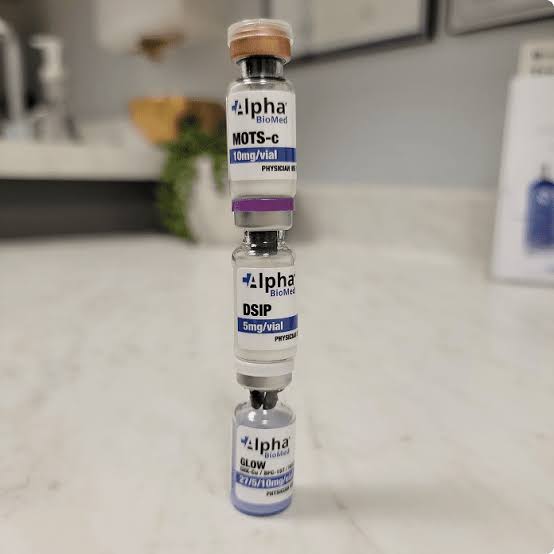
In the sprawling landscape of agricultural and biomedical research, Peptide Science North Dakota might not be the first state that comes to mind for cutting-edge molecular science. Yet, beneath its vast wheat fields and frigid winters, a quiet but significant revolution in peptide science is taking place. From the high-tech labs of Fargo’s research parks to the clinical telehealth offices of Bismarck, the Peace Garden State is emerging as an unexpected hub of activity. This exploration into “Peptide Science North Dakota” traverses the entire journey of these microscopic molecules—from their foundational research at state universities to their controversial use in anti-aging clinics and their promising role in the future of agriculture.
The bedrock of North Dakota’s progress in peptide science is its three-tiered public research system, comprised of its two world-class research universities and a network of regional colleges. These institutions, alongside key federal research centers, form the intellectual engine driving innovation.
The Big Two: NDSU and UND Peptide Science North Dakota
Leading the charge are North Dakota State University (NDSU) in Fargo and the University of North Dakota (UND) in Grand Forks. At NDSU, a significant portion of peptide research is woven into the fabric of its agricultural and biological sciences programs. For instance, NDSU researchers have discovered a specific peptide that makes barley more susceptible to a devastating fungal disease, leaf blotch, a finding with major implications for crop protection.
The university’s commitment to the field is institutionalized through several advanced programs. The Department of Pharmaceutical Sciences offers a Ph.D. degree, allowing graduate students to select advanced work in medicinal chemistry, with a research focus on “Medicinal Protein Biochemistry,” a field deeply intertwined with peptide science. Furthermore, the Ph.D. in Cellular and Molecular Biology (CMB) program, NDSU’s first interdisciplinary graduate program, requires advanced skills in biochemistry, cellular, and molecular biology, and directly supports research into protein and peptide therapeutics.
The university is also equipped with cutting-edge analytical instruments. NDSU’s NMR (Nuclear Magnetic Resonance) spectroscopy equipment, for example, is used to analyze molecules ranging from small organics to “mid-sized peptides or a natural product,” providing the structural data necessary for understanding peptide function and designing new ones.
Across the state in Grand Forks, the University of North Dakota is a powerhouse for fundamental biological research that underpins peptide science. The School of Medicine and Health Sciences (SMHS) is home to the Department of Biomedical Sciences, where postdoctoral researchers investigate the molecular mechanisms of diseases, work that frequently involves studying protein and peptide interactions. The university also offers a Doctoral Degree in Pharmacology and Toxicology, an interdisciplinary program that combines pharmacology, toxicology, biochemistry, and molecular biology, providing the deep understanding of drug mechanisms necessary for developing peptide-based therapeutics.
Beyond these larger institutions, the North Dakota University System (NDUS) and the North Dakota IDeA Network of Biomedical Research Excellence (ND INBRE) network of primarily undergraduate institutions across the state provide a pipeline of young scientists trained in modern molecular techniques, ensuring the state’s scientific workforce continues to grow.
From the Lab Bench to the Wheat Field
The state’s agricultural heritage is a primary driver of its peptide research. The focus is not just on creating new drugs but on engineering better crops and livestock.
Enhancing Plant Health and Resistance
NDSU’s plant breeding programs are world-class, and peptide science is a key tool in their arsenal. Researchers are actively studying the proteome—the entire set of proteins expressed by a plant—to understand how proteins and peptides influence critical traits. This includes developing high-protein wheat varieties and creating pulse crops like peas and chickpeas with superior nutritional value. Furthermore, there is a growing national and international interest in “bio-active peptides” that can be formulated with agrochemicals to enhance plant health, improve nutrient delivery under drought stress, and act as natural biopesticides, an area of research that is highly relevant to North Dakota’s large-scale farming operations.
The Future of Animal Health and Production
Peptide science also has vast implications for animal agriculture. Researchers are exploring antimicrobial peptides (AMPs) as a potential alternative to traditional antibiotics in livestock, a critical avenue for combating antibiotic resistance. In a state with a significant cattle industry, understanding muscle biology is paramount. This includes research into myostatin (MSTN), a protein that acts as a natural inhibitor of muscle growth. Developing peptides that can inhibit myostatin has the potential to revolutionize livestock production, leading to more efficient meat yields.
A Novel Application: Cleaning “Forever Chemicals”
Perhaps one of the most innovative applications of protein science emerging from NDSU is in environmental remediation. Researchers have discovered that a specific egg white protein can effectively absorb PFAS “forever chemicals,” a significant class of persistent environmental pollutants. This discovery represents a critical first step toward developing cost-effective methods for cleaning contaminated water sources, directly applying protein science to a pressing public health and agricultural issue.
The Emerging World of Peptide Therapeutics and Industrial Biotech
While agricultural research is a clear strength, North Dakota is also cultivating a growing footprint in the medical and commercial applications of peptide science.
The Rise of Peptide Clinics
Perhaps the most visible—and controversial—sign of peptide science’s popularity is the rapid rise of clinics offering “peptide therapy” across the state. These clinics, operating under the supervision of licensed physicians, prescribe a range of synthetic peptides for purposes ranging from weight loss to anti-aging. Well-known examples like semaglutide (Wegovy) and tirzepatide (Mounjaro) are GLP-1 agonists, a class of peptides that have become blockbuster drugs for diabetes and obesity.
Other clinics offer more obscure compounds. For instance, Dakota PrecisionRx Labs in Bismarck has one of the most comprehensive menus, including BPC-157, Epitalon, and Semax. While the exact legal framework for some of these niche peptides can be a gray area (as they are often “compounded” by pharmacies rather than approved as commercial drugs by the FDA), their availability is attracting patients from across the region, signaling a growing market.
Pharmaceutical Manufacturing and Biotech
The state also hosts a small but significant cluster of companies involved in the biotech supply chain. Aldevron, based in Fargo, is a global leader in manufacturing critical biotech materials like plasmids, proteins, and mRNA, all of which are essential components in the development and production of peptide-based drugs and vaccines. While these companies may not be synthesizing final peptide drugs at scale, their presence creates a skilled workforce and a supportive ecosystem for more specialized peptide ventures.
Navigating the Regulatory and Legal Landscape
As the science advances and the market grows, North Dakota is grappling with how to regulate these powerful molecules. The regulatory picture is a complex patchwork of federal and state laws.
At the federal level, the FDA classifies a peptide as any polymer composed of 40 or fewer amino acids with a specific, defined sequence. These are typically regulated as new drugs under the Federal Food, Drug, and Cosmetic Act, requiring extensive clinical trials before they can be marketed.
In North Dakota, the legal landscape is shaped by a specific set of rules:
· Prescribing by Physicians: The standard for prescription is straightforward: Any actively state-licensed physician in North Dakota can legally prescribe compounded peptides.
· Telehealth and Peptide Therapy: This is a key access point for many patients. North Dakota’s laws regarding telehealth allow for remote prescribing, making it possible for people in rural areas to obtain peptide therapy.
· Regulation of “Cell-Cultured Protein”: The state has already passed laws (HB 1151 in 2025) regarding the labeling and sale of cell-cultured protein products. This is a crucial precedent, as it shows a willingness to legislate on advanced biological products, potentially paving the way for future laws specific to therapeutic peptides.
Challenges on the Horizon
Despite its promise, the path forward for peptide science in North Dakota is not without significant hurdles.
· The “Gray Market” of Compounded Peptides: A major challenge is the proliferation of compounded peptides prescribed via telehealth. Many of these compounds have not undergone the rigorous FDA approval process, and their long-term safety and efficacy are unknown.
· The Need for a Skilled Workforce: The state faces intense competition for top-tier scientists. Growing this sector will require continued investment in education and training programs at NDSU and UND to produce a homegrown pipeline of talent.
· Developing a Local Manufacturing Hub: For North Dakota to move beyond being a consumer of peptide therapies to a producer of them, it needs to attract or build companies specializing in peptide synthesis.
· A Lack of a Centralized “Peptide” Strategy: Currently, the state’s efforts are diffused across agriculture, medicine, and environmental science, without a cohesive plan to maximize synergy.
Conclusion
Peptide science in North Dakota is a story of quiet, pervasive growth. It is both a product of the state’s agricultural roots—using nature’s building blocks to grow better wheat and raise healthier cattle—and a driver of its future in medicine and technology—from the labs of NDSU to the telehealth clinics of Bismarck.
The “Peace Garden State” is not yet a household name in the world of biotechnology, but it is steadily building a foundation that could make it a significant player in the years to come. The future of North Dakota’s economy and health may very well be written in the language of amino acids—one peptide at a time.