
Currently Empty: £0.00

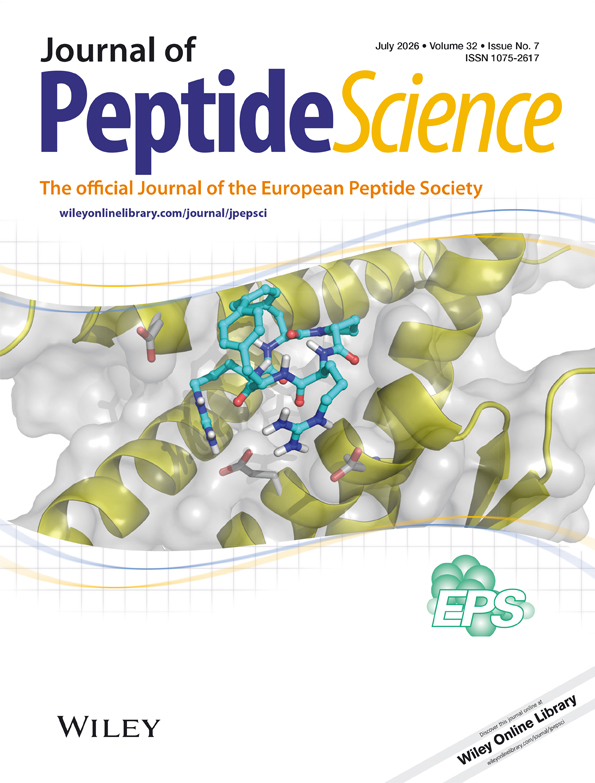
Peptide Science Cowra in Australia: The Regional Connection to Cowra
The term “Peptide Science Cowra” does not correspond to a specific research facility or commercial entity in the New South Wales town of Cowra. Rather, it represents an intersection of two distinct but potentially overlapping domains: Australia’s world-class peptide research enterprise and Peptide Science Cowra established position as a centre for agricultural and livestock science. While no dedicated peptide research institute operates in Cowra, the town’s agricultural research infrastructure—particularly its sheep and cattle breeding facilities—exists within a broader national ecosystem where peptide science is increasingly relevant to animal health, productivity, and sustainable agriculture.
What Is Peptide Science?
Peptide Science Cowra is the study of peptides—short chains of amino acids linked by peptide bonds. Positioned between small molecules and full proteins in terms of size and complexity, peptides possess unique biological properties that make them invaluable for research and therapeutic applications.
Peptides interact with specific receptors and affect discrete biological pathways, including metabolism, immune function, hormone regulation, and tissue repair. This specificity distinguishes peptide-based therapies from broad-acting drugs, enabling targeted interventions with potentially fewer side effects. The scope of peptide science is remarkably broad, encompassing peptide synthesis, materials science, structural biology, and bioactivity, including the use of peptides to explore protein functions and protein-protein interactions.
Key research areas include antimicrobial peptides as alternatives to conventional antibiotics, supramolecular self-assembly in materials science, and the development of peptide-based drug delivery systems.
Australia’s Leadership in Peptide Science
Australia has established itself as a significant contributor to international peptide research, supported by substantial government investment and world-class research institutions. The nation’s investment in medical research has created a fertile environment for peptide science to flourish.
The ARC Centre of Excellence for Innovations in Peptide and Protein Science (CIPPS)
At the heart of Australia’s peptide research infrastructure is the ARC Centre of Excellence for Innovations in Peptide and Protein Science (CIPPS). This national centre brings together leading researchers from diverse disciplines to build a critical understanding of peptides and proteins, with the goal of unleashing their potential for human benefit.
The centre’s vision is to discover new peptides and proteins from Australia’s diverse flora and fauna, decode their biological functions, and develop enhanced synthetic technologies to address challenges in health, agriculture, and industry. CIPPS comprises six institutions across Australia, including the University of Queensland, the University of Sydney, the Australian National University, and Monash University. The centre collaborates with major pharmaceutical companies, agribiotech firms, and research organisations such as CSIRO.
The ARC Centre of Excellence for Advanced Peptide and Protein Engineering (CAPE)
A newer initiative, the ARC Centre of Excellence for Advanced Peptide and Protein Engineering (CAPE), was announced in late 2025 with $35 million in funding. Led by the University of Sydney, CAPE aims to transform the engineering and translation of peptides and proteins for human and planetary benefit, leveraging artificial intelligence and automation.
University Research and Clinical Translation
Australian universities play a pivotal role in peptide development. Institutions such as the University of Melbourne, Monash University, the University of Queensland, and the University of Sydney have established international reputations in biomedical innovation. Australia’s high rate of clinical trial activity per capita, combined with a regulatory environment that supports well-organised early-stage trials, provides an advantageous setting for peptide research.
The Therapeutic Landscape of Peptide Research
Australian peptide research encompasses several major areas of medicine:
Metabolic Health: Peptides that interact with appetite, insulin, and glucose regulation signals are the subject of intensive investigation.
Oncology: Researchers are designing peptide-based drug delivery systems for cancer therapy, leveraging the targeting specificity of peptides to improve treatment efficacy.
Immunology and Vaccines: Antimicrobial peptides are being studied as potential alternatives to conventional antibiotics. Peptide-based vaccines for diseases affecting Australian wildlife, such as Chlamydia pecorum in koalas, are also under development.
Bioactive Peptide Discovery: Researchers are investigating agricultural and food samples, waste, and by-products to discover bioactive proteins and peptides. This includes the screening and identification of cyclotide and therapeutic peptides, peptide synthesis, and computational studies.
Cowra’s Agricultural Research Heritage
While Cowra may not host a dedicated peptide research facility, the town has a long-established presence in agricultural science that is relevant to the broader peptide research landscape.
NSW Department of Primary Industries Research Facilities
The NSW Department of Primary Industries operates large-scale, pasture-based cattle and sheep breeding research facilities at Cowra. These facilities are managed by the Animal Genetics Research Unit, which undertakes research and development to achieve continuous improvement in genetics and breeding technologies in beef and sheep enterprises.
The Cowra research station is one of eight sites across Australia that is part of the Information Nucleus Flock (INF) as part of the Cooperative Research Centre (CRC) for Sheep Industry Innovation. The red meat research and development program at the Cowra research station focuses on product end users—whether they are producers, processors, retailers, or consumers.
The Agricultural Context for Peptide Research
The presence of livestock research facilities in Cowra creates opportunities for peptide science applications in several areas:
Animal Health: Peptides with antimicrobial properties could offer alternatives to conventional antibiotics in livestock management, addressing the growing threat of antimicrobial resistance.
Productivity Enhancement: Bioactive peptides derived from agricultural by-products could improve animal nutrition and health.
Sustainable Agriculture: Peptide-based approaches could contribute to more sustainable agricultural practices, including eco-friendly alternatives to chemical inputs.
Food Innovation: Australian researchers are developing functional beverages containing Australian collagen peptides from sheep skins. This represents a direct link between livestock research and peptide-based product development.
The Commercial Peptide Landscape
The commercial peptide market has experienced significant turbulence in recent years. Peptide Sciences, widely regarded as one of the most recognised peptide vendors in the research market, voluntarily shut down its research-product operations in March 2026, citing mounting regulatory pressure and financial barriers.
This regulatory pressure has created uncertainty in the market, pushing researchers to seek reliable alternatives that offer consistent quality, verified testing, and dependable service. For regional research centres like Cowra, this presents both challenges and opportunities in accessing peptide-based research tools.
The Future of Peptide Science in Regional Australia
The future of Australian peptide science appears bright, supported by substantial government investment, world-class research infrastructure, and strong industry partnerships. The integration of regional communities into the scientific enterprise—whether through research facilities, agricultural applications, or educational outreach—will be essential to ensuring that the benefits of peptide science are widely shared.
Emerging areas of investigation include the discovery of bioactive peptides in Australian cereal and legume food crops, using cutting-edge approaches combining data mining, machine learning, genomics, and liquid chromatography-mass spectrometry. Australian scientists are also exploring peptide-receptor interactions, degradation pathways in blood, and methods to stabilise peptides for therapeutic use.
For Cowra specifically, the town’s agricultural research infrastructure positions it well to contribute to peptide science applications in livestock and agriculture. As research institutions develop outreach programs to promote peptide and protein science across Australia, regional centres like Cowra could become increasingly involved in the peptide research enterprise.
Conclusion
While “Peptide Science Cowra” does not refer to a specific research facility, the term captures an important truth about Australian science: world-class research is not confined to metropolitan centres. Cowra’s agricultural research station contributes to a national ecosystem where peptide science is increasingly relevant to animal health, productivity, and sustainable agriculture.
Australia has positioned itself as a significant player in peptide science through strategic investment, world-class research institutions, and a supportive regulatory environment. From the laboratories of major universities to the research centres of excellence and regional agricultural stations, Australian scientists are contributing to the discovery and development of peptides that have the potential to transform medicine, agriculture, and industry.
The story of peptide science in Australia is still being written, and its next chapters will likely include greater integration of regional communities into the scientific enterprise. For Cowra, with its established agricultural research infrastructure, the opportunity to participate in this exciting field is real—even if the name “Peptide Science Cowra” remains, for now, more aspirational than actual.

