
Currently Empty: £0.00

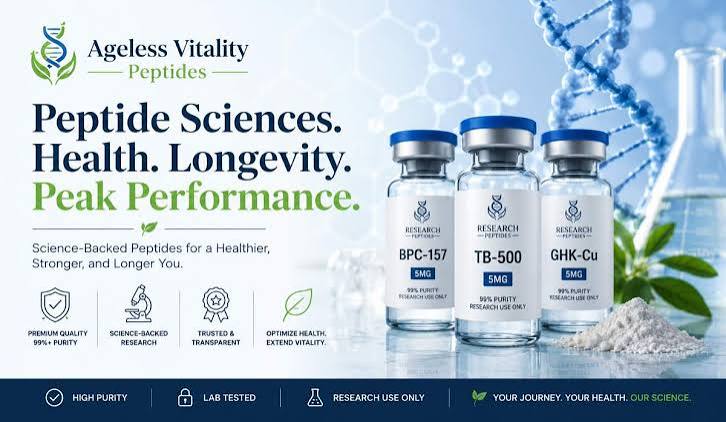
Peptide Science Deniliquin: Australia’s Emerging Frontier in Biomedical Research
Nestled along the Edward River in New South Wales, the small town of Deniliquin—with a population of approximately 8,000—might seem an unlikely candidate for a hub of cutting-edge biomedical research. Yet beneath this rural exterior, Deniliquin has become a point of interest in Australia’s expanding peptide science landscape. While the town is better known for its agricultural heritage and the annual Peptide Science Deniliquin Ute Muster, a quiet revolution in peptide research is taking place, connecting this regional centre to global scientific advancement.
Understanding Peptide Science
At its core, peptide science is the study of peptides—short chains of amino acids linked by peptide bonds. These molecules are essentially smaller versions of proteins, typically consisting of between two and fifty amino acids, and they play fundamental roles in virtually every biological process. Peptide Science Deniliquin provide the structural framework for cells, shepherd their growth and division, act as messengers between cells, regulate bodily functions, and provide the raw materials for everything from hormones to neurotransmitters. They control growth, development, aging, cognitive function, the immune system, and even influence the risk of developing certain diseases.
The field encompasses the synthesis, structure, function, and applications of peptides in biological systems, pharmaceuticals, and biotechnology, focusing on their roles in signalling, catalysis, and as therapeutic agents. In recent years, peptide science has expanded dramatically, with researchers exploring their potential in areas ranging from antimicrobial treatments to anti-aging therapies and cognitive enhancement. The versatility of peptides has made them invaluable tools in understanding fundamental biological processes within the body.
The Deniliquin Connection
The link between Deniliquin and peptide science emerges from the presence of scientific outreach and research activities in the region. Local science engagement events have brought peptide chemistry directly to the community, creating opportunities for researchers to discuss complex scientific concepts with children, parents, and grandparents in accessible ways. These initiatives reflect a broader commitment to scientific literacy and community engagement that characterises Australia’s regional research efforts.
Peptide Science Deniliquin position within New South Wales places it within a network of agricultural and scientific institutions across the state. Australian researchers are actively involved in discovering, validating, and quantifying bioactive peptides in cereals and legume food crops grown in the country, employing cutting-edge approaches that combine data mining, machine learning, genomics, and liquid chromatography mass spectrometry. This agricultural angle is particularly relevant to Deniliquin, given its location in one of Australia’s most productive farming regions.
The Broader Australian Peptide Landscape
Australia has developed a robust peptide research ecosystem, with contributions from multiple universities and research institutions. Australian scientists have published extensively in the field, with researchers collectively authoring hundreds of publications related to peptide science. This body of work spans molecular biology, microbiology, organic chemistry, chemical synthesis, and the study of antimicrobial peptides.
The country’s research strengths in peptide science reflect global trends. Peptides have become essential tools in helping scientists better understand fundamental biology, with applications in exploring DNA transcription, cell cycle regulation, growth, proliferation, hormone signalling, neuron function, and ageing. Hundreds of peptides are currently under active study for their potential to improve muscle growth, enhance wound healing, slow the aging process, stabilise the immune system, and regulate DNA function.
Applications and Research Directions
The practical applications of peptide science are vast and growing. Antimicrobial peptides, for instance, have emerged as potential alternatives to conventional antibiotics, offering new approaches to combating antimicrobial resistance. These naturally occurring molecules can be used alone or in combination with traditional antibiotics, representing a promising frontier in the fight against drug-resistant pathogens.
Research into insect kinins—biologically active peptides with various physiological functions—is being evaluated for applications in plant protection. This agricultural dimension has particular relevance to Deniliquin and the surrounding Riverina region, where crop protection and sustainable farming practices are ongoing priorities.
The therapeutic potential of peptides continues to attract significant research investment. Compounds are being studied for their roles in tissue repair, muscle-related studies, metabolic research, and even skin-related experiments. In tissue repair studies, peptides are examined for their potential role in cellular re-formation, while in muscle research, compounds are investigated for how they interact with growth pathways.
Quality and Purity Standards
A defining characteristic of modern peptide science is the emphasis on quality and purity. Leading peptide suppliers employ automated and manual peptide synthesizers, as well as solution and solid-phase peptide synthetic technology, to produce peptides and proteins that exceed 99% purity. From the initial stages of peptide synthesis to packaging and delivery, stringent quality control standards are implemented to ensure that all peptides arrive in their purest and most stable form.
In-house testing at all stages of production, using highly accurate High-Performance Liquid Chromatography and Mass Spectrometry analysis, scientifically verifies the purity, accuracy, and identity of each peptide. Third-party testing adds an additional layer of verification, helping to confirm that what is listed matches what is delivered. For researchers, this step is not optional—without proper verification, experiments can become unreliable or even compromised.
Regulatory Environment and Challenges
The peptide research market operates within an increasingly complex regulatory environment. Stricter enforcement and evolving regulations have created challenges for peptide suppliers, particularly in regions where research compounds are closely monitored. These regulatory pressures, combined with financial barriers in the online peptide market, have led to significant changes in the industry landscape.
These challenges highlight the importance of responsible research practices and the need for clear regulatory frameworks that support scientific innovation while ensuring safety and quality standards. For researchers in regional centres like Deniliquin, navigating this regulatory environment requires ongoing attention to compliance and best practices.
Community Engagement and Science Communication
One of the most significant contributions of peptide science in regional Australia has been its role in community engagement. The ability to discuss peptide chemistry in ways that matter to diverse audiences—from children to grandparents—represents an important bridge between scientific research and public understanding. This kind of outreach is essential for building trust in science and inspiring the next generation of researchers.
Deniliquin’s involvement in science communication reflects a broader trend in Australian regional development. By bringing cutting-edge scientific concepts to rural communities, researchers help to democratise access to knowledge and demonstrate that scientific discovery is not confined to metropolitan centres.
The Future of Peptide Science in Regional Australia
Looking ahead, the potential for peptide science to contribute to regional development is significant. Agricultural applications, in particular, offer opportunities to enhance crop protection and food production through peptide-based innovations. The intersection of peptide research with Australia’s agricultural strengths positions regions like Deniliquin to play a meaningful role in this emerging field.
As research into peptides continues to expand, the demand for reliable sources of high-quality compounds will grow. Regional centres with established connections to agricultural and scientific networks may find themselves increasingly integrated into national and international peptide research collaborations.
The versatility of peptides as research tools, combined with their potential therapeutic applications, ensures that peptide science will remain a dynamic and important field. From understanding fundamental biological processes to developing new approaches to health and agriculture, peptides offer a molecular toolkit of remarkable scope and potential.
Conclusion
Deniliquin’s connection to peptide science represents an intriguing chapter in Australia’s scientific story. While the town may be best known for its rural character and agricultural heritage, its engagement with peptide research reflects the growing reach of biomedical science beyond traditional metropolitan centres. Through community outreach, agricultural applications, and connections to the broader Australian research community, Deniliquin exemplifies how regional areas can participate in and benefit from scientific advancement.
The field of peptide science continues to evolve, driven by advances in synthesis, analytical techniques, and our understanding of peptide biology. As researchers explore new applications and overcome regulatory challenges, the contributions of regional centres like Deniliquin will likely become increasingly important to Australia’s scientific landscape. In the molecules that bridge the gap between chemistry and biology, we find not only tools for understanding life but also opportunities for communities across the country to participate in the scientific enterprise.

