
Currently Empty: £0.00

Peptide Science Cooma: The Snowy Mountains’ Quiet Role in Australia’s Biotech Landscape
Introduction of Peptide Science Cooma
Nestled in the foothills of the Snowy Mountains, Peptide Science Cooma is best known as the gateway to Australia’s alpine region—a historic town shaped by the Snowy Mountains Hydro-Electric Scheme and a popular stopover for travellers heading to the ski fields. What Cooma is not widely known for is peptide science. And yet, the question of peptide research in this regional New South Wales town opens a fascinating window into how Australia’s biotechnology landscape operates, how regional centres connect to national research networks, and how the Snowy Mountains region might contribute to the future of biomedicine.
While Peptide Science Cooma itself hosts no major peptide research institutes or commercial peptide manufacturers, the town sits within a broader ecosystem of Australian peptide science that is world-class. From the Australian Research Council Centre of Excellence for Innovations in Peptide and Protein Science (CIPPS) to commercial manufacturers like Auspep, Australia has built a formidable reputation in peptide research and production. Understanding Cooma’s place within this landscape—and the potential that regional centres like it hold—requires a closer look at both the science and the geography of Australian biotechnology.
The Australian Peptide Science Landscape
A Nation of Peptide Pioneers
Australia punches well above its weight in peptide science. The country is home to several internationally recognised research centres, including the ARC Centre of Excellence for Innovations in Peptide and Protein Science (CIPPS), which brings together researchers from across the nation to advance the understanding and application of these critical biomolecules. These centres focus on everything from fundamental peptide chemistry to the development of new therapeutics, agricultural applications, and biotechnology innovations.
One of Australia’s most distinctive contributions to peptide science has been the study of cyclotides—unique macrocyclic peptides with interlocking loops, known as cyclic cystine knots. These molecules, found in plants, have shown potent medicinal properties and represent a uniquely Australian area of peptide research. Researchers are also developing advanced techniques like Nuclear Magnetic Resonance (NMR) imaging and isotope labelling to study specific peptide and protein interactions, pushing the boundaries of what is possible in structural biology.
Commercial Peptide Production
Australia also hosts significant commercial peptide manufacturing capability. Auspep, for instance, is the only GMP-accredited manufacturer of peptides in Australia, specialising in the development and production of synthetic peptides as active pharmaceutical ingredients (APIs). This capability means that Australian-discovered peptides can be developed and manufactured domestically, supporting the entire value chain from discovery to commercialisation.
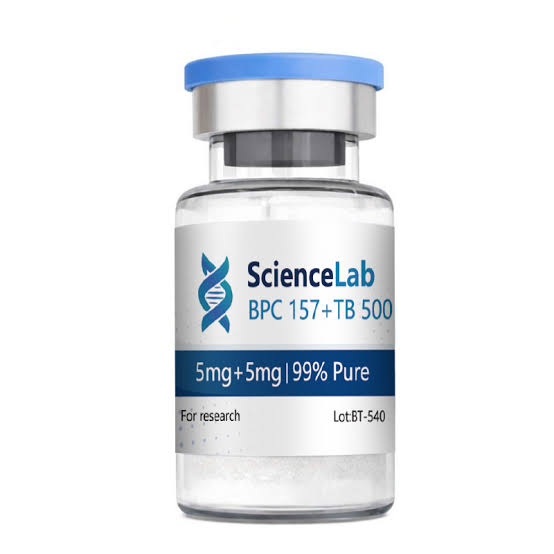
The commercial landscape also includes companies like Peptide Science Cooma, which supplies high-purity research peptides to scientists and laboratories across the country. These enterprises, while concentrated in major cities, serve researchers nationwide—including, potentially, those working in or near regional centres like Cooma.
Cooma’s Position in the Research Ecosystem
The Snowy Mountains Region
Cooma is the largest town in the Snowy Mountains region, situated approximately 5 hours south of Sydney and just over an hour from Canberra. This location places it within reasonable proximity to the Australian capital’s research institutions, including the Australian National University and the CSIRO’s Canberra-based facilities.
The region itself is defined by its dramatic geography—rolling plains, legendary rivers, and snow-covered peaks. This environment, while not traditionally associated with biotechnology, offers unique opportunities for natural product discovery. The Snowy Mountains region is home to diverse flora and fauna, some of which may produce novel bioactive peptides. While no systematic peptide discovery program is currently based in Cooma, the region’s biodiversity represents an underexplored resource for Australian peptide science.
Historical and Economic Context
Cooma’s economy has traditionally been driven by agriculture, tourism, and public administration. The town’s role as a service centre for the Snowy Mountains region means it has infrastructure—healthcare, education, and transport—that could potentially support small-scale biotechnology operations. However, the town has not historically attracted the kind of investment or talent concentration required for a dedicated peptide research facility.
That said, the broader Snowy Monaro region has seen increasing interest in renewable energy and sustainable development, with projects like the proposed 100MW solar energy generation project in the Bunyan locality. This shift toward a more diversified regional economy could, over time, create conditions more favourable for biotechnology investment.
The Potential for Peptide Science in Regional Australia
Why Regional Centres Matter
While peptide science in Australia is currently concentrated in metropolitan areas, there are compelling reasons to consider the role of regional centres like Cooma. First, the cost of laboratory space and living expenses is significantly lower than in Sydney or Melbourne, making regional locations attractive for early-stage research operations. Second, regional communities often offer strong local support and a high quality of life, which can be valuable for attracting and retaining skilled researchers.
Third, and perhaps most importantly, regional Australia is home to unique ecosystems that are underexplored for bioactive compounds. The Snowy Mountains, with their alpine and subalpine environments, host plant and microbial species found nowhere else on Earth. These organisms have evolved in extreme conditions—cold temperatures, high UV exposure, and short growing seasons—and may produce novel peptides with unique biological activities.
The Natural Product Connection
Natural product discovery has been a cornerstone of peptide science for decades. Many of the most important therapeutic peptides in use today were originally derived from natural sources—snake venom, frog skin, marine organisms, and plants. Australia’s isolation has resulted in a distinctive biota, and Australian researchers have been at the forefront of exploring this natural resource.
The CIPPS, for example, includes fieldwork components that take researchers to many parts of Australia. While the Snowy Mountains may not yet have been a major focus of these efforts, the region’s biodiversity suggests it could be. Alpine plants, in particular, have been relatively underexplored for peptide content, and the Snowy Mountains could yield novel cyclotides or other bioactive peptides.
Regulatory Considerations in New South Wales
The Legal Framework
Any discussion of peptide science in Cooma must acknowledge the regulatory environment in New South Wales. Peptides are regulated under Schedule 4 of the Poisons List and are considered restricted substances under the Poisons and Therapeutic Goods Act 1966 (NSW). This means that research peptides, therapeutic peptides, and peptide-based products are subject to strict controls.
For researchers in Cooma—or anywhere in NSW—this regulatory framework means that peptide research must be conducted in compliance with state and federal laws. While this adds complexity to peptide science in the region, it also ensures that research is conducted safely and ethically. The presence of clear regulations can actually support the development of a responsible peptide science sector, providing a framework within which researchers and companies can operate with confidence.
Implications for Regional Development
The regulatory environment also has implications for regional development. For Cooma to attract peptide research or commercial activity, the town would need to demonstrate that it can support compliance with these regulations—including appropriate laboratory facilities, waste management, and trained personnel. While this is not impossible, it would require significant investment and planning.
The Future: Could Cooma Become a Peptide Science Hub?
Building on Existing Strengths
Cooma’s strengths as a potential site for peptide science are modest but real. The town’s proximity to Canberra—home to major research institutions—means that collaboration with metropolitan researchers is feasible. The region’s natural environment offers opportunities for field-based discovery. And the town’s existing infrastructure, while not specialised for biotechnology, provides a foundation upon which more specialised facilities could be built.
Perhaps most importantly, Cooma offers something that major cities cannot: space, quiet, and a connection to the natural world. For researchers studying natural products, being close to the source of those products is invaluable. A peptide science facility in Cooma could combine laboratory research with direct access to the Snowy Mountains’ unique ecosystems, creating a distinctive research environment.
Challenges to Overcome
The challenges are equally significant. Peptide science requires specialised equipment—mass spectrometers, NMR spectrometers, peptide synthesisers, and high-performance liquid chromatography systems—that are expensive to purchase and maintain. It requires a skilled workforce, which would need to be attracted to a regional location. And it requires connections to the broader research community, which are more easily maintained in metropolitan centres.
There is also the question of critical mass. Peptide science thrives in environments where researchers can collaborate, share ideas, and access complementary expertise. Cooma, with its small population and limited research infrastructure, would struggle to achieve this critical mass on its own. The most realistic path forward would involve Cooma as a node in a broader network—perhaps as a field station for natural product discovery, or as a satellite facility of a larger research organisation.
Conclusion
Cooma is not currently a centre of peptide science. The town’s identity remains tied to its history as the capital of the Snowy Mountains, its role as a tourist destination, and its function as a service centre for the region’s agricultural and alpine industries. And yet, the question of peptide science in Cooma is not entirely fanciful.
Australia’s peptide science landscape is dynamic and growing, with world-class research centres, commercial manufacturers, and a distinctive focus on natural product discovery. The Snowy Mountains region, with its unique biodiversity and proximity to Canberra’s research institutions, has potential that has not yet been fully explored. While Cooma may never become a major peptide research hub, it could play a role—as a site for field research, as a location for a specialised facility, or as an example of how regional Australia can contribute to the nation’s biotechnology future.
For now, the peptide science happening in Cooma is the peptide science that researchers bring with them—samples collected from the mountains, collaborations with metropolitan institutions, and the quiet work of scientists who appreciate the space and solitude that regional Australia provides. It is a modest contribution, but it is a real one. And in the long run, the connections between Australia’s cities and its regions may prove to be one of the country’s greatest strengths in the global peptide science enterprise.

