Currently Empty: £0.00

Call Us:
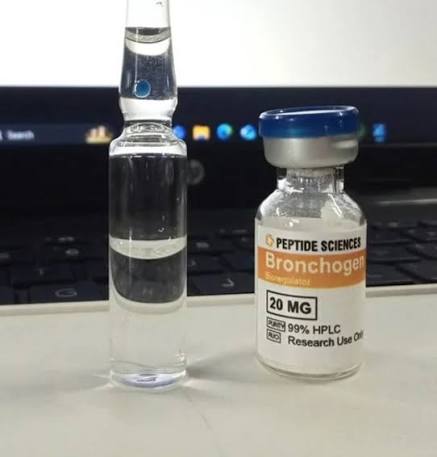
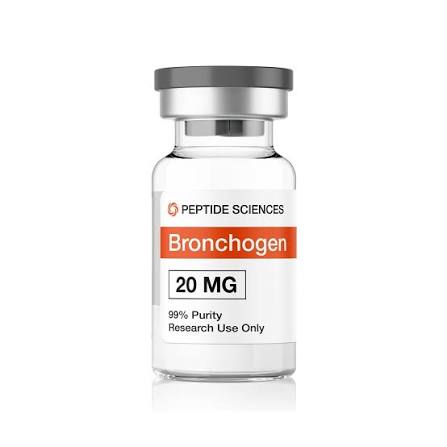
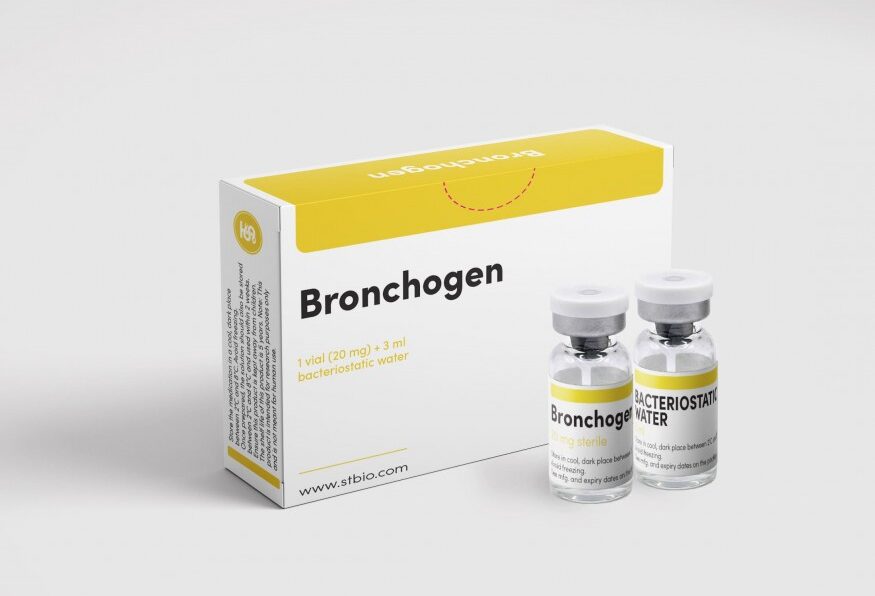
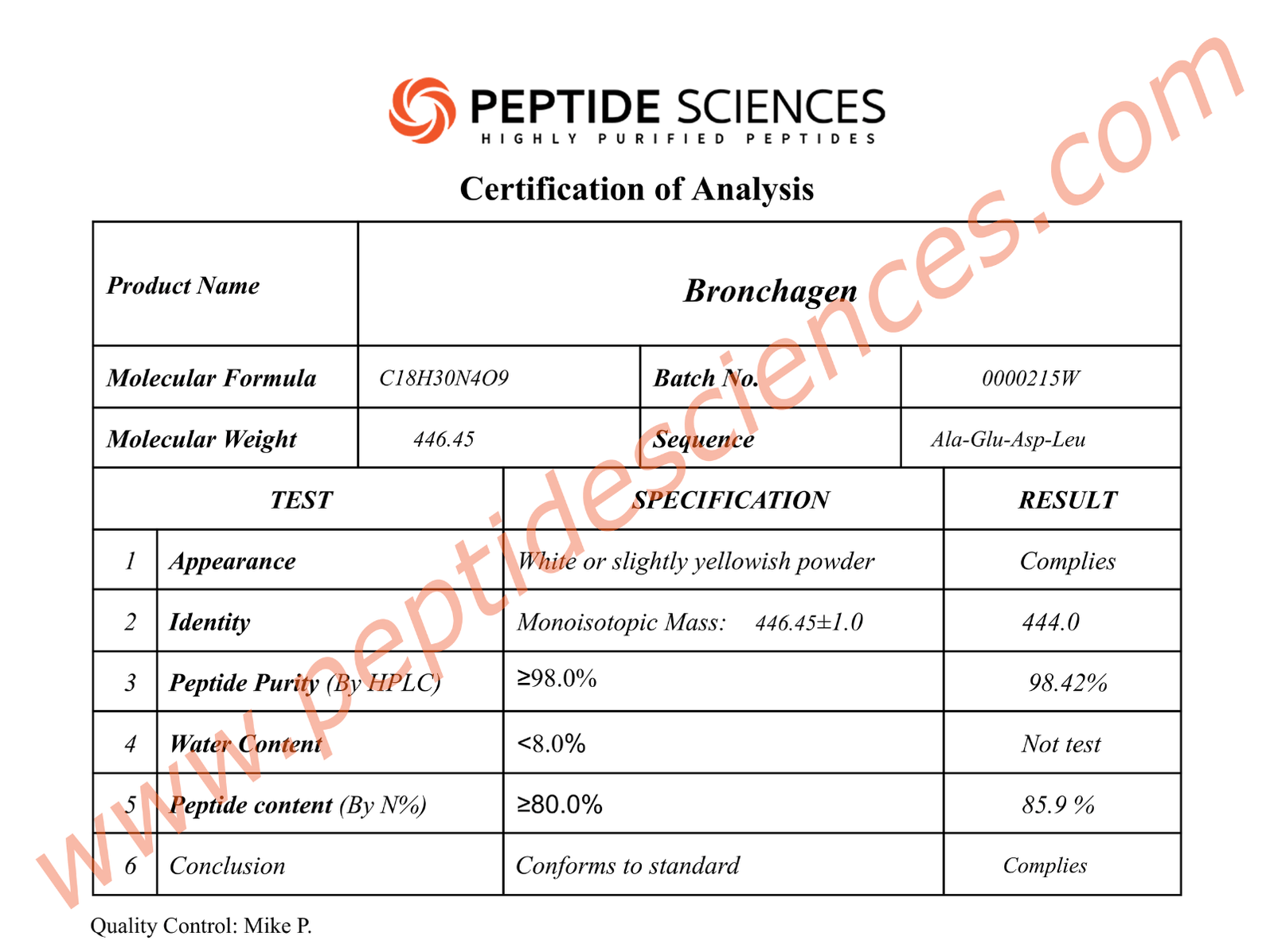
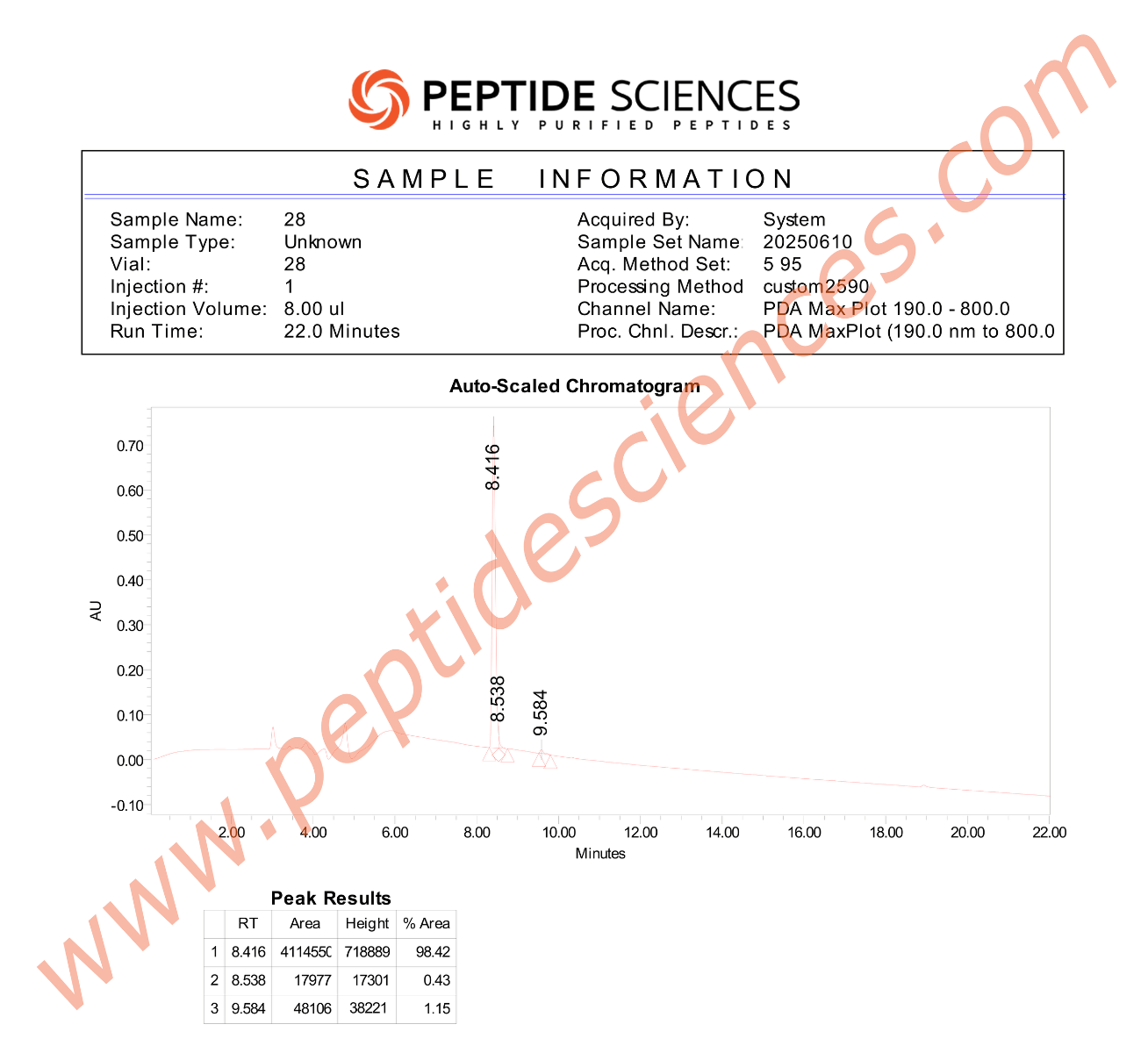
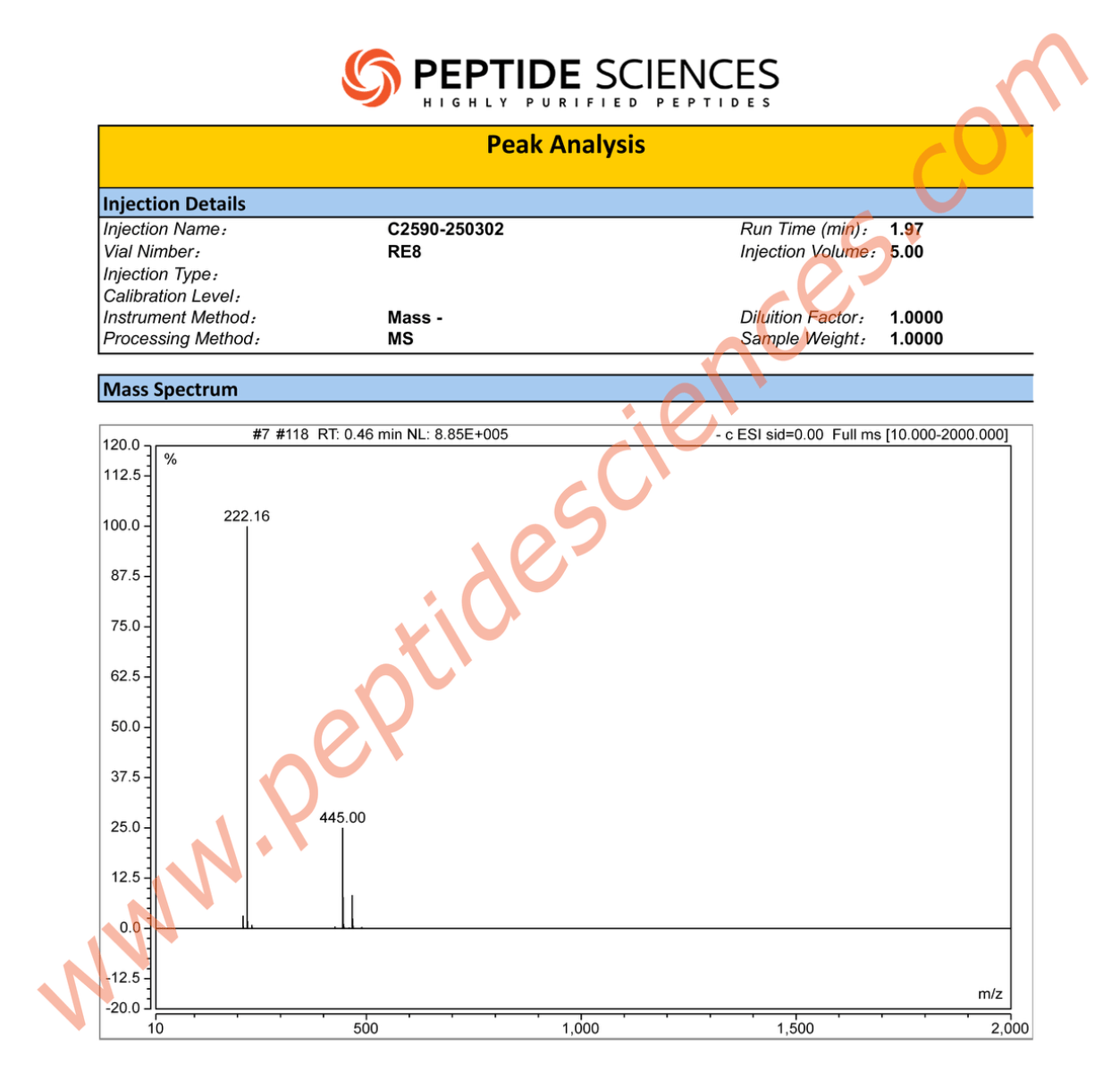
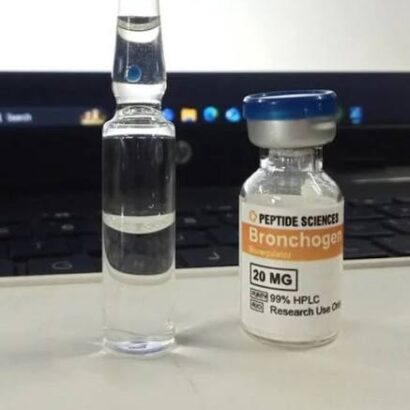
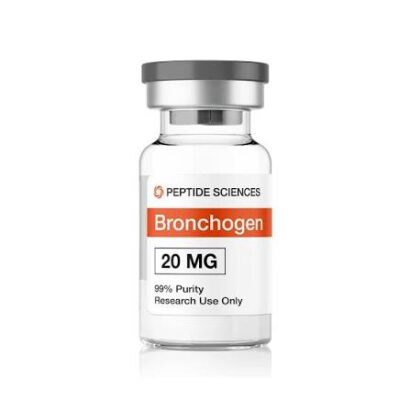
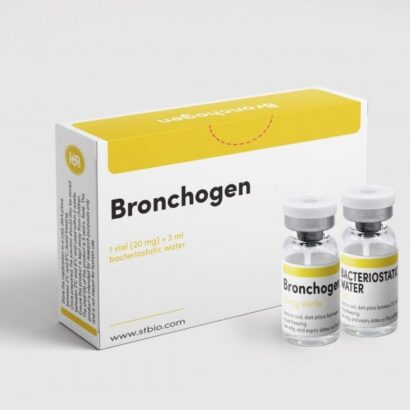
Bronchogen Capsules operates as a tissue-specific bioregulator, functioning at the deepest possible level—the genetic and epigenetic machinery of the bronchial epithelial cells. This product is the culmination of decades of research into peptide bioregulation, designed specifically to restore, protect, and rejuvenate the respiratory tract from within.

Price range: £55.00 through £220.00
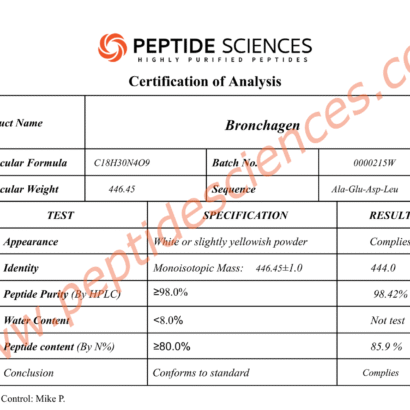
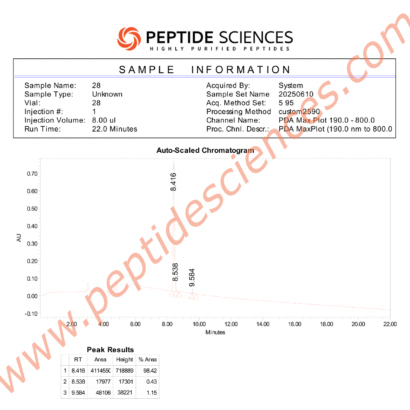
In the rapidly evolving landscape of biotechnology, Bronchogen peptide has emerged as a high-value sequence for advanced research. At Peptide Science Labs (now operating via peptidesciencelabs.net), we provide researchers with the most stable and purified version of Bronchogen for sale online. Our synthesis protocols are designed to eliminate contaminants and deliver a sequential fingerprint that is 100% accurate, allowing you to conduct your studies with complete confidence in your baseline data.

It appears that Bronchogen is geroprotective, helping to reverse age-related decline in lung function by reactivating senescent DNA. The peptide may even prove useful in helping to unravel the pathways that protect against cancer development in the lungs.
Bronchogen, scientifically designated as AEDL (Alanine-Glutamic Acid-Aspartic Acid-Leucine) or T-33, is a cutting-edge synthetic tetrapeptide meticulously developed by Professor Vladimir Khavinson and his research team at the St. Petersburg Institute of Bioregulation and Gerontology in Russia. Unlike conventional bronchodilators or mucolytics that merely manage symptoms, Bronchogen represents a paradigm shift in respiratory medicine.
It operates as a tissue-specific bioregulator, functioning at the deepest possible level—the genetic and epigenetic machinery of the bronchial epithelial cells. This product is the culmination of decades of research into peptide bioregulation, designed specifically to restore, protect, and rejuvenate the respiratory tract from within.
To truly appreciate Bronchogen, one must understand its unique mechanism of action. It does not function as a classical receptor agonist or enzyme inhibitor. Instead, Bronchogen exhibits a direct, physical interaction with the cellular nucleus. It acts as a DNA stabilizer and transcription modulator, binding directly to the double helix of DNA.
Research indicates that this tetrapeptide has a remarkable affinity for specific nucleotide sequences, effectively increasing the melting temperature (Tm) of DNA by approximately 3.1°C. This thermal stabilization signifies a profound physical interaction that protects the genetic material from external stressors and mutations.
By binding to specific minor grooves of the DNA helix, Bronchogen facilitates the recruitment of transcriptional machinery to precisely targeted gene loci. Specifically, it interacts with the CTCC DNA motifs, orchestrating a cascade of genetic expressions that are vital for the survival and function of the respiratory lining.
The biological activity of Bronchogen is defined by its molecular structure and its affinity for specific cellular tarets. At the biochemical level, this peptide acts as a ligand, binding to receptors to trigger intracellular cascades.
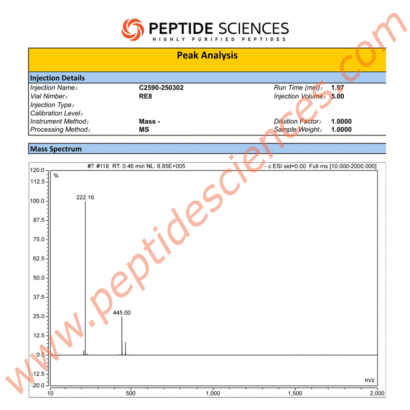
Researchers utilize to map these pathways, observing the downstream effects on protein expression, cellular metabolism, or structural remodeling. The structural integrity is paramount; even minor impurities can lead to skewed data. That is why our synthesis process involves rigorous filtration and lyophilization to maintain a 99%+ purity profile.
One of the most compelling attributes of Bronchogen is its exceptional safety profile. As a natural component of cellular metabolism, the peptide metabolites (individual amino acids) are non-toxic, non-allergenic, and devoid of mutagenic or carcinogenic effects. It does not affect normal, healthy cells; it solely targets those with impaired regulatory functions.
In the realm of anti-aging medicine, Bronchogen is more than a respiratory drug; it is a geroprotector. By maintaining the functional integrity of the respiratory system—the primary interface between our body and the external environment—it supports overall longevity and active life expectancy.

The true brilliance of Bronchogen lies in its ability to reverse the molecular hallmarks of cellular aging and distress in the bronchial epithelium. In cellular models of senescence (aging), the respiratory epithelium often suffers from a reduced capacity to proliferate and a heightened susceptibility to apoptosis (cell death). Bronchogen intervenes in this degenerative process by upregulating the expression of two critical proteins:
1. Ki-67 (Proliferation Marker): This protein is a gold-standard biomarker for cellular proliferation. By stimulating the expression of the Ki-67 gene, Bronchogen reinvigorates the mitotic activity of aged or damaged bronchial cells, encouraging the generation of fresh, healthy epithelial tissue to replace compromised cells.
2. Mcl-1 (Anti-Apoptotic Protein): Mcl-1 is essential for the survival of epithelial cells. By enhancing Mcl-1 expression, Bronchogen effectively fortifies the bronchial lining against programmed cell death induced by oxidative stress, toxins, or inflammatory cytokines.
Furthermore, Bronchogen regulates the expression of genes responsible for the synthesis of mucins and surfactant proteins (SP-A and SP-D). This ensures the production of high-quality, physiological mucus with optimal rheological properties—neither too thick nor too thin—which is crucial for the mucociliary clearance that keeps our airways sterile and clear.
1. Comprehensive Pulmonary Rehabilitation
Bronchogen is exceptionally effective in the management of chronic inflammatory conditions of the respiratory tract. For patients suffering from Chronic Obstructive Pulmonary Disease (COPD) or chronic bronchitis, this peptide accelerates the structural and functional restoration of the bronchial mucosa. It reduces the inflammatory infiltration of the submucosal layer, leading to a marked decrease in chronic cough and sputum production while significantly improving forced expiratory volume (FEV1).
2. Reversing Age-Related Respiratory Decline
As we age, the thymus involutes and the immune system weakens, leading to a “senile lung” phenotype characterized by fibrosis and alveolar simplification. Bronchogen counteracts these age-related involutive processes. By restoring the proliferative capacity of the type II alveolar cells, it facilitates the regeneration of the alveolar-capillary barrier, thereby improving gas exchange and reducing the sensation of breathlessness in the elderly.
3. Enhanced Mucociliary Clearance
By restoring the bioelectric properties and the morphology of the ciliated epithelium, Bronchogen enhances the synchrony of ciliary beating. This improves the clearance of inhaled particulates, pathogens, and allergens. This makes it an invaluable therapeutic adjunct for individuals exposed to high levels of air pollution, occupational dust, or tobacco smoke, helping to mitigate the risk of secondary infections.
4. Immune Modulation and Anti-Inflammatory Action
Beyond structural repair, Bronchogen exhibits a distinct immunomodulatory profile. It regulates the balance of alveolar macrophages, shifting the cytokine profile from a pro-inflammatory (Th1/Th17) state toward a regulatory (Th2/Treg) balance. This reduces the excessive release of inflammatory mediators like TNF-α and IL-6, which are often responsible for the tissue destruction seen in severe asthma and COPD exacerbations, without causing the systemic immunosuppression associated with corticosteroids.
In clinical settings, Bronchogen is typically administered via intranasal drops or subcutaneous injections, allowing for rapid absorption into the systemic circulation and targeted delivery to the pulmonary tissues. Its small molecular weight (approximately 460 Da) allows it to cross biological barriers efficiently. The standard therapeutic course usually spans a short period (often 10 to 20 days), yet the biological effects—due to its epigenetic imprinting—can persist for several months, providing sustained remission.
Bronchogen stands as a pinnacle of peptide biotechnology. It is not merely a treatment for pulmonary disease; it is a strategy for maintaining respiratory youth. By speaking the universal language of the genome, the AEDL tetrapeptide provides a precision, targeted approach to heal the airways, reversing the biological clock of damaged cells and ensuring that every breath we take is supported by a robust, resilient, and regenerative respiratory system. For clinicians and patients seeking an intervention that moves beyond symptomatic relief into the realm of regenerative restoration, Bronchogen offers an unparalleled, scientifically validated solution.
Secure your Bronchogen peptide for sale today and leverage the expertise of the world’s leading research peptide manufacturer.
| Dosage | 20mg Vial, 20mg Capsules |
|---|---|
| Quantity | 1 Vial, 2 Vials, 5 Vials, 30 Capsules, 60 Capsules |