Currently Empty: £0.00

Call Us:




Pancragen addresses the cellular and molecular underpinnings of pancreatic aging and dysfunction. By targeting pancreatic transcription factors, modulating gene expression, and supporting cellular differentiation, this tetrapeptide bioregulator offers a regenerative approach to understanding pancreatic function, glucose metabolism, and age-related metabolic disorders.

Price range: £57.00 through £270.00
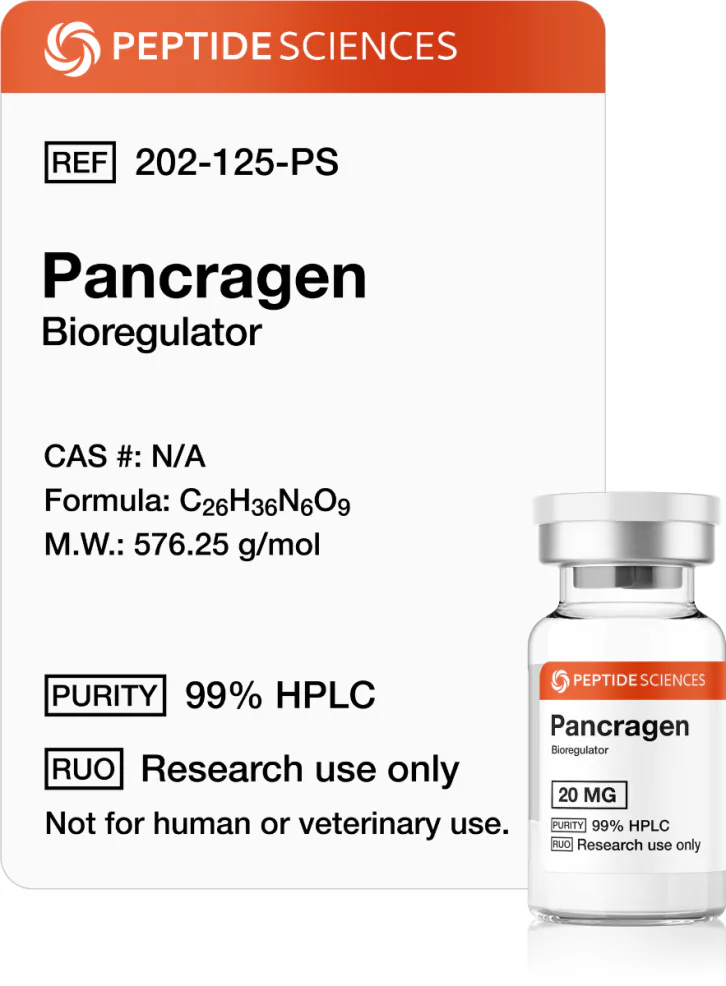
Pancragen Bioregulator is a synthetic tetrapeptide bioregulator with the amino acid sequence Lysine-Glutamic Acid-Aspartic Acid-Tryptophan (Lys-Glu-Asp-Trp, abbreviated KEDW). Its molecular formula is C₂₆H₃₆N₆O₉, with a molecular weight of approximately 576 g/mol, and it is also known by the alternative spelling “Pankragen.”
Pancragen stands out among the Khavinson peptides as one of the most extensively researched, with published studies spanning in vitro cell cultures, streptozotocin-induced diabetic rat models, aged macaque studies, and a limited human clinical study in elderly patients with type 2 diabetes.
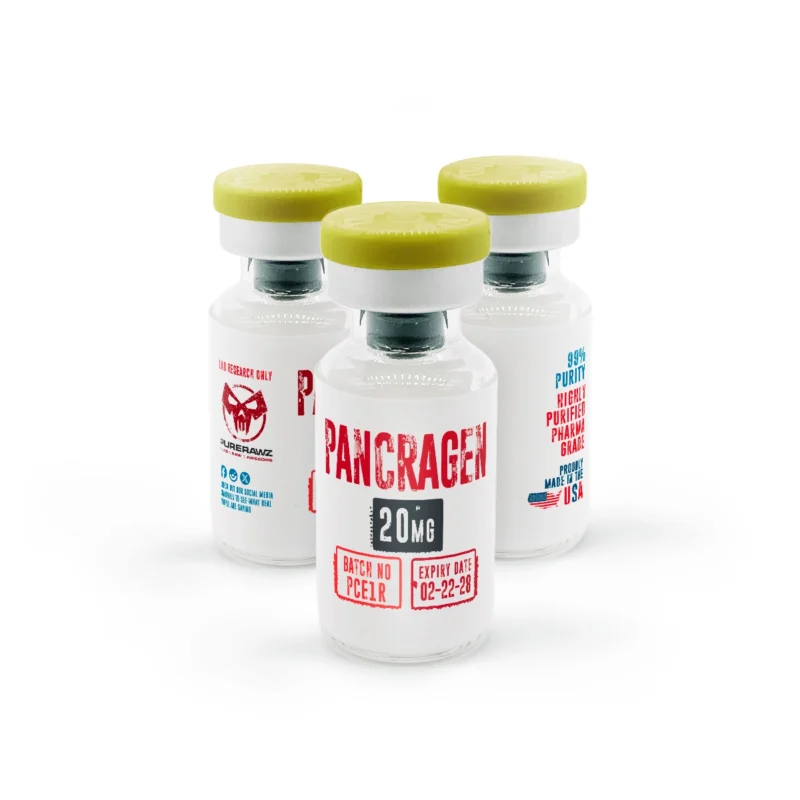
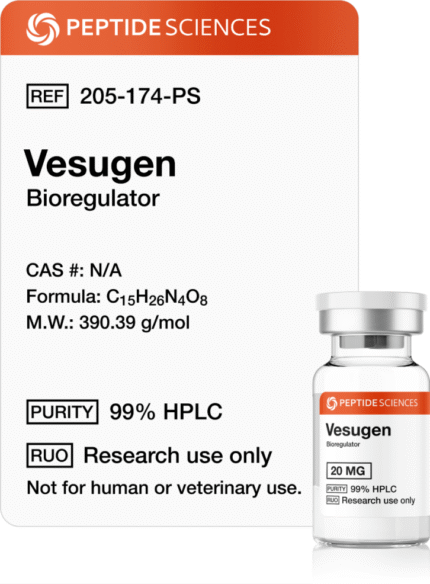
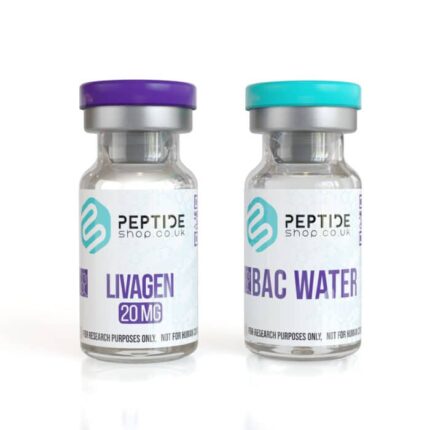
Its a tetrapeptide consisting of four amino acids: lysine (positively charged), glutamic acid (negatively charged), aspartic acid (negatively charged), and tryptophan (aromatic). The specific C-terminal amino acid—tryptophan—distinguishes Pancragen from related Khavinson peptides. It shares the Lys-Glu-Asp (KED) core sequence with several other peptides: Livagen (KEDA), Prostamax (KEDP), and Vesugen (KED), with the C-terminal residue believed to determine tissue specificity.
With a molecular weight of approximately 576 Da, it falls within the small tetrapeptide range, allowing it to penetrate cell membranes and reach intracellular targets that larger molecules cannot access. The peptide can traverse both cellular and nuclear membranes to interact with nuclear structures such as DNA and histones, potentially supporting gene transcription and cellular differentiation in pancreatic contexts.
Epigenetic Regulation of Pancreatic Gene Expression
It is proposed to act through epigenetic regulation of pancreatic gene expression, primarily characterized by modulating transcription factors critical for pancreatic cell differentiation and maintenance.
The core mechanism, identified in a 2013 study on human embryonic pancreatic cell cultures, demonstrates that Pancragen stimulates the expression of differentiation factors in two major pancreatic cell lineages:
Acinar (exocrine) cell differentiation factors:
· Pdx1 (pancreatic and duodenal homeobox 1)—a master regulator of pancreatic development and beta cell function
· Ptf1a—essential for acinar cell differentiation
Islet of Langerhans (endocrine) cell differentiation factors:
· Pdx1, Pax6, Pax4, Foxa2, and NKx2.2—transcription factors that orchestrate the development and maintenance of insulin-producing beta cells and other endocrine cells
The inducing effect on these differentiation factors is more pronounced in aged cell cultures, suggesting a mechanism for its proposed geroprotective (anti-aging) effects.
Chromatin-Level Gene Modulation
It is believed to interact with chromatin complexes and modulate gene promoter methylation patterns—including genes such as PDX1, PAX6, and NGN3—potentially shifting cells toward a more youthful transcriptional profile. This epigenetic remodeling may contribute to restoring cellular function in aging pancreatic tissue.
Trans-Differentiation Potential
Research indicates that it may promote trans-differentiation in pancreatic acinar cells (MIA PaCa-2 line), supporting the emergence of insulin, glucagon, somatostatin, and pancreatic polypeptide-producing cells.

1. Glucose Metabolism and Insulin Sensitivity
In a study of elderly patients with type 2 diabetes, Pancragen significantly decreased fasting glucose levels, improved glucose tolerance test results, and reduced plasma insulin concentrations and insulin resistance index. Administration of Pancragen is considered a promising approach to correcting insulin resistance in elderly individuals.
2. Primate Studies on Age-Related Dysfunction
In aged female rhesus monkeys, Pancragen administration (50 μg/animal/day for 10 days, intramuscularly) caused a markedly increased glucose disappearance rate and normalized plasma insulin and C-peptide dynamics in response to glucose administration. The recovering effect partially remained 3 weeks after discontinuation of the drug.
3. Diabetic Rat Models
In Wistar rats with streptozotocin-induced diabetes mellitus, oral Pancragen produced a pronounced hypoglycemic effect during treatment. Intramuscular administration normalized the adhesion of mesenteric capillary endothelium, indicating homeostatic and endothelioprotective effects. The peptide also demonstrated a regulatory effect on the morphology and function of pancreatic tissues.
4. Cellular Aging and Differentiation
In aging pancreatic cell cultures, Pancragen restored the expression of differentiation markers that had been reduced during cellular aging. The peptide’s ability to induce differentiation of acinar and islet pancreatic cells is proposed as a mechanism underlying its anti-diabetic and anti-inflammatory effects.
5. Vascular and Endothelial Integrity
Research indicates that Pancragen may support capillary and endothelial function in hyperglycemic or metabolically dysregulated models, with normalization of endothelial adhesive properties suggesting protective roles for vascular integrity during early metabolic stress.
Pancragen has one of the most extensive evidence bases among the Khavinson peptide bioregulators, with multiple PubMed-indexed studies covering:
· In vitro cell culture models
· Diabetic rat models
· Aged primate studies
· A human clinical study in elderly patients with type 2 diabetes
· No FDA Approval: Pancragen is not approved by the FDA or any Western regulatory agency for therapeutic use
· No ClinicalTrials.gov Registration: No clinical trials are registered on ClinicalTrials.gov
· Research Use Only: Available exclusively for research purposes
· Limited Human Data: Only one limited human clinical study is available in the published literature
· Origin of Research: Most published research originates from the Khavinson research network in Russia
Pancragen represents a fundamentally different approach to pancreatic health—not through pharmacological forcing of glucose reduction, but through epigenetic regulation at the cellular level.
Rather than merely treating the symptoms of metabolic dysfunction, Pancragen addresses the cellular and molecular underpinnings of pancreatic aging and dysfunction. By targeting pancreatic transcription factors, modulating gene expression, and supporting cellular differentiation, this tetrapeptide bioregulator offers a regenerative approach to understanding pancreatic function, glucose metabolism, and age-related metabolic disorders.
| Dosage & Form | 20mg-Vial, 20mg Oral Capsules |
|---|---|
| Quantity | 1 Vial, 2 Vials, 5 Vials, A Box 60 Capsules, 2 Box |