Currently Empty: £0.00

Call Us:


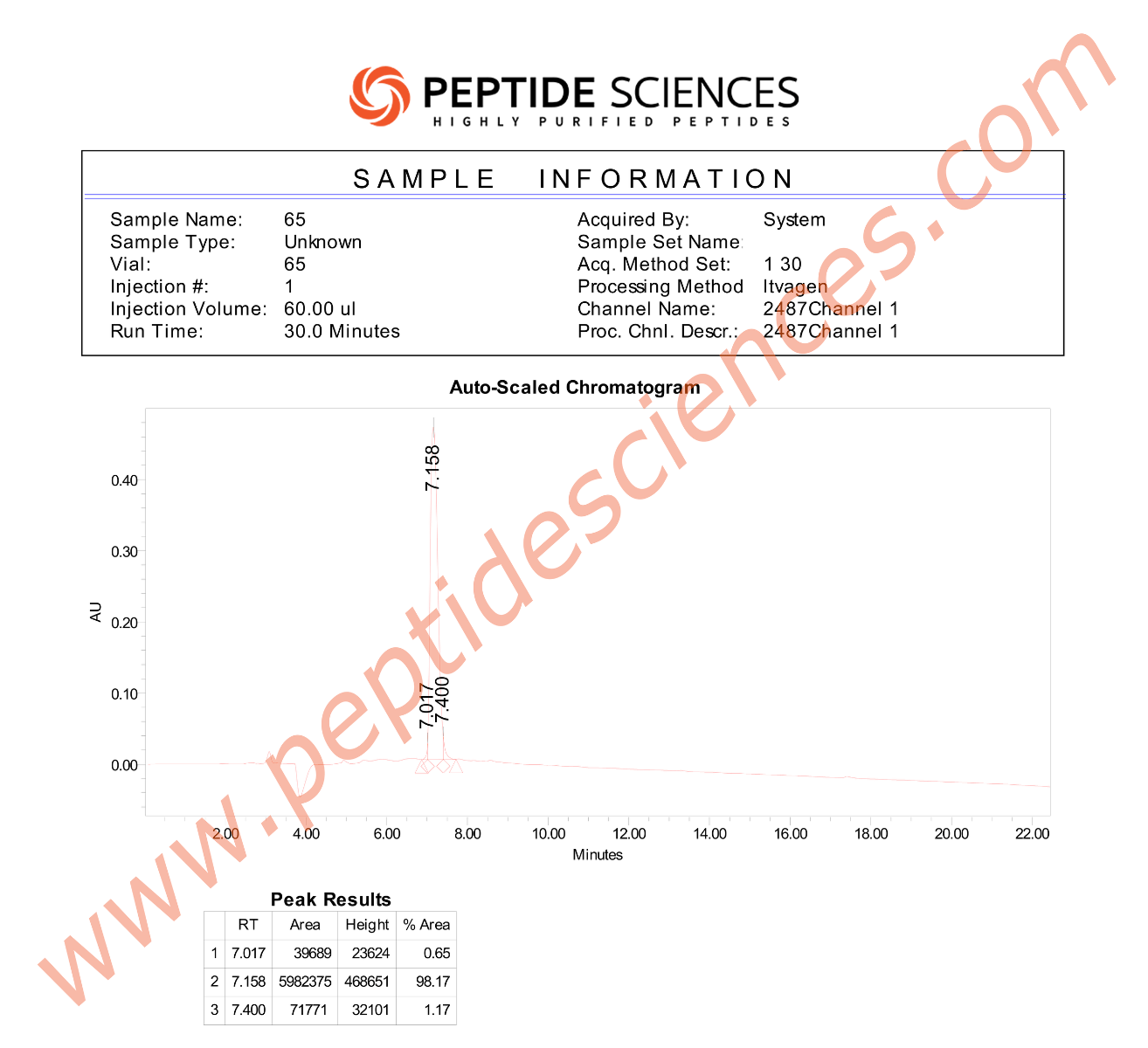
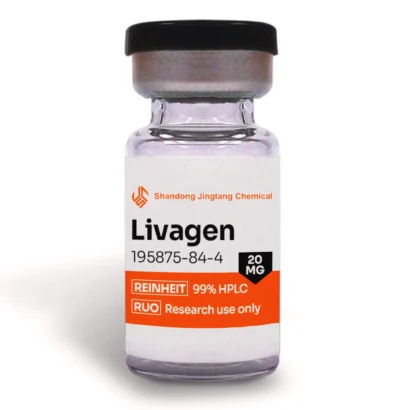
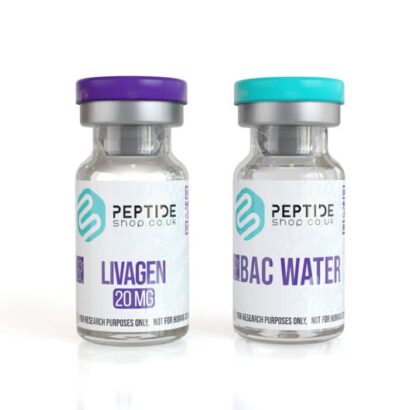
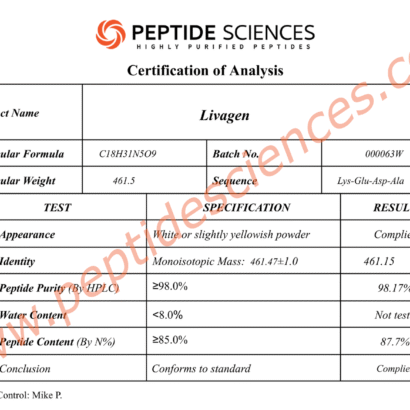
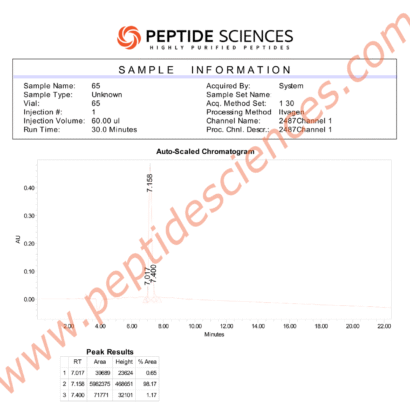
Livagen is a synthetic short-chain peptide bioregulator specifically designed to interact with liver tissue. Composed of a precise amino acid sequence, it is studied for its ability to influence hepatic gene expression and support the natural detoxification processes of the liver. As a premier choice for laboratories looking to buy research peptides, this 20mg vial is essential for investigating the molecular foundations of hepatic homeostasis.
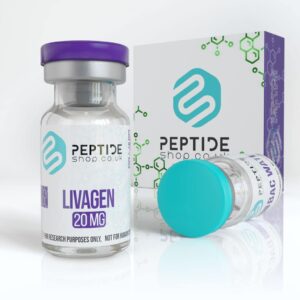
Price range: £60.00 through £410.00
Livagen Bioregulator is a specialized synthetic peptide bioregulator that belongs to a class of short-chain peptides known for their tissue-specific signaling capabilities. Originally derived from the study of liver tissue extracts, Livagen is engineered to mirror the natural signaling molecules that govern liver function.
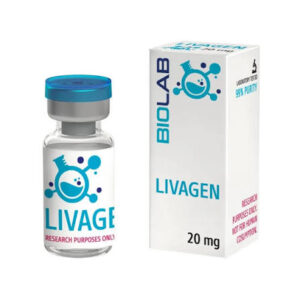
In the specialized field of research peptides, It is highly regarded for its role in “bioregulation.” Unlike traditional compounds that may force a physiological change, bioregulators like Livagen are studied for their ability to restore cellular function to a state of homeostasis by modulating gene expression.
When you find it, you are accessing a compound engineered to investigate:
Regulation of Protein Synthesis: Researching how short-chain peptides influence the rate at which liver cells produce essential functional proteins.
Hepatic Gene Expression: Studying the peptide’s interaction with chromatin to observe changes in the transcription of genes related to liver health.
Antioxidant Activity: Investigating how its signaling supports the liver’s natural defense against oxidative stress and reactive oxygen species (ROS).
While Livagen is a leader among peptides for sale for liver-specific research, its biological influence extends across several critical metabolic domains:
Detoxification Processes: Researching the peptide’s role in optimizing the biochemical pathways the liver uses to neutralize and clear metabolic byproducts.
Lipid Metabolism Regulation: Investigating how Livagen-mediated signaling influences the processing and storage of fats within hepatic tissue.
Cellular Longevity Research: Studying the impact of peptide bioregulators on the aging process of liver cells and their ability to maintain functional integrity over time.
Peptides for Healing: Exploring how restored hepatic homeostasis through peptide intervention contributes to systemic metabolic recovery.
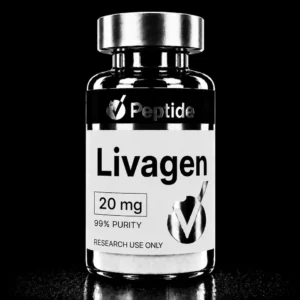
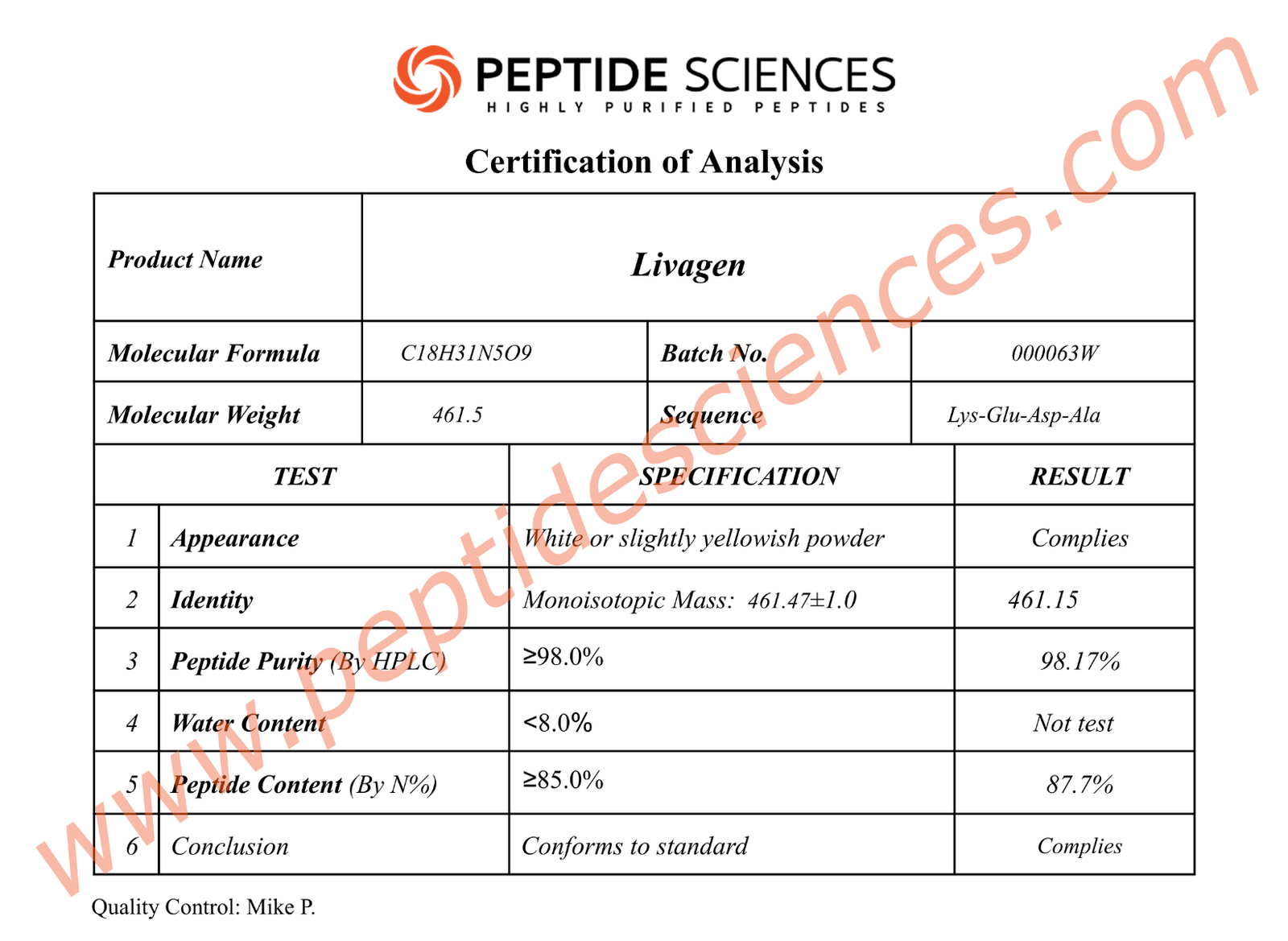
Livagen is a synthetic tetrapeptide with the amino acid sequence Lys-Glu-Asp-Ala (KEDA) and a molecular weight of approximately 461.47 g/mol. Developed by Professor Vladimir Khavinson’s team at the St. Petersburg Institute of Bioregulation and Gerontology, Livagen belongs to the family of tissue‑specific cytogenic peptides—short molecules designed to mimic natural regulatory factors. As its name suggests, Livagen primarily targets liver tissue, yet its effects extend far beyond hepatic function, reaching into the very architecture of the genome.
What sets Livagen apart from conventional supplements is its epigenetic mode of action. As we age, portions of our chromosomes—particularly heterochromatin regions—become increasingly compacted. This condensation silences hundreds of genes that were active in youth, including ribosomal genes essential for protein synthesis.
Livagen Peptide Buy acts as a molecular “unpacker” : it induces chromatin decondensation (despiralization) in the nucleolar organizer regions, thereby reactivating silenced ribosomal DNA. In cell cultures, Livagen has been shown to specifically affect C‑segment variants on chromosomes 1 and 9, converting tightly wound, inactive DNA into an open, transcriptionally permissive state. In essence, Livagen reverses one of the fundamental hallmarks of aging—the progressive shutdown of gene expression—by physically unlocking the genome.
Although all published studies originate from Russian and Georgian research groups, the data consistently highlight Livagen’s multifaceted biological activity:
· Liver Regeneration and Homeostasis – In organotypic liver cultures, Livagen stabilizes cellular morphology and enhances both structural integrity and intracellular regenerative processes, confirming its primary tissue‑specific role.
· Immune and Digestive System Support – It activates genes in gastric, intestinal, and immune cells that become suppressed with age. It also modulates digestive enzyme activity, contributing to improved nutrient assimilation in elderly models.
· Anti‑Mutagenic and Epigenetic Protection – A 2022 study demonstrated that Livagen, along with its counterpart Epitalon, significantly reduces chromosomal aberrations induced by heavy metals (cobalt, nickel, zinc) in both young and aged cell populations. This antimutagenic effect suggests a genome‑stabilizing role beyond simple rejuvenation.
· Enzyme Inhibition – Livagen exhibits higher efficiency than puromycin and leupeptin in inhibiting enkephalin‑degrading enzymes in human serum, and it interacts with opioid receptors in rat brain membranes, pointing to potential neuromodulatory actions.
It is currently available for research purposes only. It has not been approved by the FDA or any other regulatory agency for human therapeutic use, and no clinical trials are registered in international databases such as ClinicalTrials.gov. Nevertheless, its unique mechanism—targeting the heterochromatinization that accompanies aging—makes it a compelling candidate for studies in:
· Hepatic aging and fatty liver disease
· Immunosenescence and age‑related immune decline
· Epigenetic programming and longevity interventions
· DNA damage repair and chemoprevention
Preclinical toxicity assessments indicate a favorable safety profile, with no mutagenic or cytotoxic effects observed at physiological concentrations. However, the lack of human pharmacokinetic and long‑term safety data means It should be handled strictly within controlled laboratory environments.
It represents a paradigm shift in anti‑aging science: rather than supplying exogenous antioxidants or growth factors, it restores the cell’s own transcriptional machinery by reversing age‑associated chromatin compaction.
By unlocking genes that time has silenced, It offers researchers a powerful tool to explore the fundamental biology of aging—and potentially, to develop next‑generation therapies that target the root cause of cellular decline. For those seeking to push the boundaries of regenerative medicine and epigenetic therapeutics, Livagen stands as one of the most intriguing molecules on the horizon.
| Dosage | 10mg, 20mg |
|---|---|
| Quantity | 1 Vial, 2 Vials, 5 Vials |