Currently Empty: £0.00

Call Us:
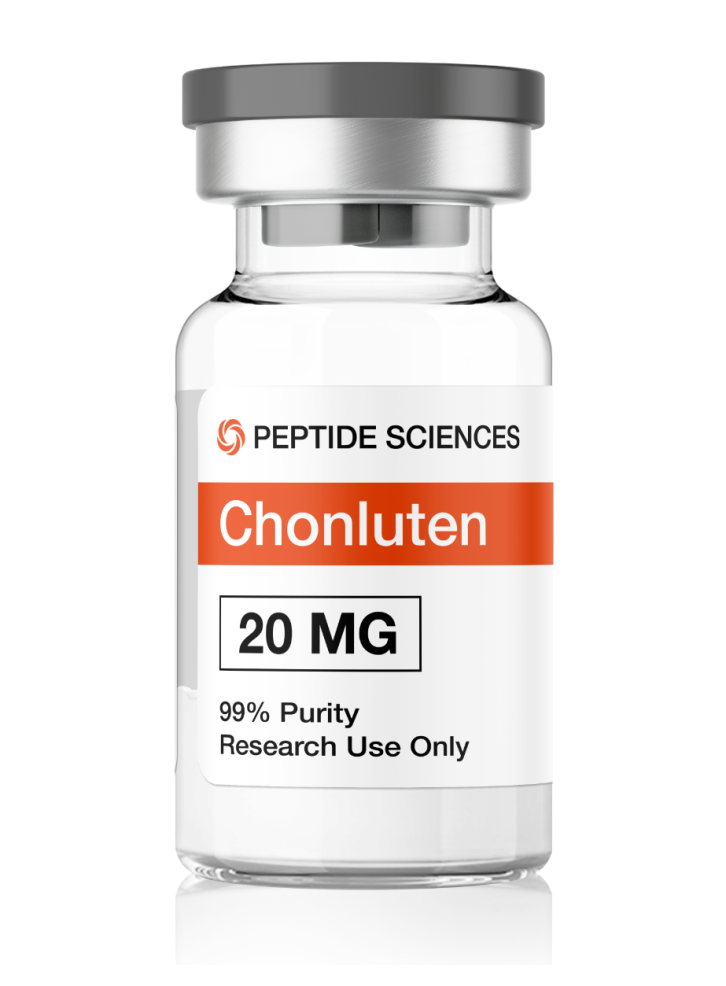

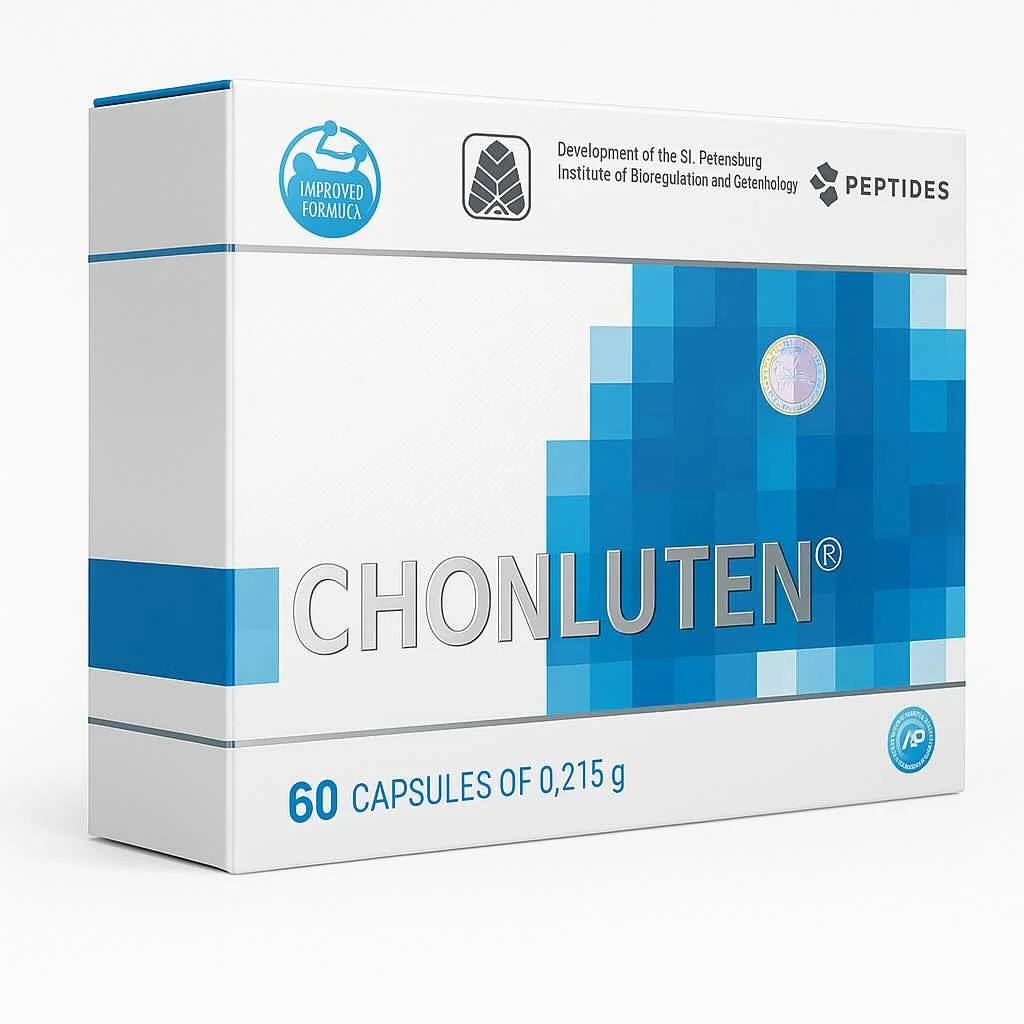


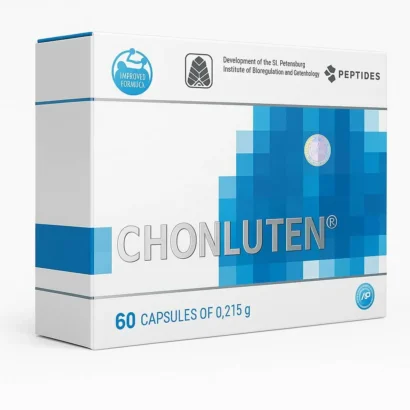
Chonluten represents a fascinating frontier in peptide bioregulation research. As a short tripeptide with proposed gene-modulating capabilities, it offers a unique approach to supporting respiratory tissue health, cellular stress responses, and inflammatory balance.

Price range: £55.00 through £428.00
In the expanding universe of peptide bioregulators, Chonluten Bioregulator—also known as the EDG tripeptide, T-34, or Honluten—has emerged as a compound of significant scientific interest. Developed by Professor Vladimir Khavinson at the St. Petersburg Institute of Bioregulation and Gerontology, this synthetic tripeptide belongs to an esteemed class of short peptide bioregulators that have been under investigation since 1973. With its unique amino acid sequence of glutamic acid, aspartic acid, and glycine (Glu-Asp-Gly), Chonluten represents a targeted approach to respiratory tissue support and cellular homeostasis.
What sets Chonluten apart from conventional supplements is its proposed mechanism of action: rather than simply providing nutritional support, this tripeptide is believed to interact directly with gene expression pathways, potentially modulating the very machinery that governs cellular stress responses, inflammation, and tissue integrity. This product description explores the science, potential benefits, and research landscape surrounding this remarkable peptide.
Chonluten is a short-chain tripeptide with a molecular weight of approximately 319 g/mol. Its three-amino-acid sequence—glutamic acid, aspartic acid, and glycine—gives it the designation EDG peptide. This diminutive size is theoretically significant: researchers hypothesize that such small peptides can penetrate cellular and even nuclear membranes, potentially allowing them to interact directly with genomic regulatory regions.
Unlike larger protein molecules that may face barriers to cellular entry, short peptides like Chonluten are structurally suited for intracellular access. This characteristic underpins much of the scientific interest in the compound and distinguishes it from many other classes of bioactive substances.
Chonluten is part of the broader Khavinson Peptides® family, a collection of organ-specific bioregulators characterized by Professor Khavinson beginning in 1973. These peptides were initially isolated from animal tissues and found to exhibit tissue-specific activity. In the case of Chonluten, the peptide was derived from analysis of bronchial mucosal tissue extracts, giving it a natural affinity for respiratory epithelial structures.
The Khavinson approach to peptide bioregulation is grounded in the concept that short peptides can restore normal cellular function by modulating gene expression in aging or stressed tissues. Research has demonstrated that short peptides can regulate all aspects of gene expression, including epigenetic DNA methylation, and that a single short peptide can regulate dozens of genes. This systems-level approach to cellular health represents a paradigm shift from traditional supplementation.
Gene Expression Modulation
At its core, Chonluten’s proposed mechanism involves direct modulation of gene expression. The peptide is believed to bind to DNA at promoter, suppressor, and other control regions, influencing the transcription of genes involved in inflammation, oxidative stress, and cellular repair.
Key genes that Chonluten appears to regulate include:
c-Fos: A potent regulator of cell proliferation, differentiation, and survival that is activated in response to cellular damage and hypoxia. Aberrant c-Fos expression has been linked to bronchial mucosal thickening observed in asthma and COPD.
HSP70 (Heat Shock Protein 70) : A molecular chaperone that protects proteins from stress-induced denaturation and facilitates cellular recovery from thermal, oxidative, and chemical stress.
SOD (Superoxide Dismutase) : A critical antioxidant enzyme that helps neutralize harmful reactive oxygen species.
COX-2 (Cyclooxygenase-2) : A key mediator of inflammatory signaling.
TNF-alpha (Tumor Necrosis Factor Alpha) : A pro-inflammatory cytokine involved in systemic inflammation.
Anti-Inflammatory Activity
One of the most extensively documented aspects of Chonluten’s activity is its anti-inflammatory potential. In vitro studies have demonstrated that the Chonluten tripeptide, derived from bronchial epithelial cells, inhibits tumor necrosis factor (TNF) production in monocytes exposed to pro-inflammatory bacterial lipopolysaccharide (LPS).
This inhibition of TNF release is linked to a documented mechanism of TNF tolerance, promoting attenuation of inflammatory action. Furthermore, research has shown that Chonluten inhibits the expression of both TNF and pro-inflammatory IL-6 cytokine stimulated by LPS on terminally differentiated cells. Perhaps most notably, when cells treated with Chonluten were incubated on layers of activated endothelial cells, researchers observed a reduction in cell adhesion—a hallmark of the inflammatory response.
These findings suggest that Chonluten may function as a natural inducer of TNF tolerance in monocytes and act as an anti-inflammatory molecule during inflammatory and microbial-mediated activity.
Stress-Response and Antioxidant Support
Beyond its anti-inflammatory properties, Chonluten is proposed to support cellular stress responses and antioxidant defense systems. Through its regulation of HSP70 and SOD expression, the peptide may help cells withstand oxidative and environmental stress. This dual action—addressing both inflammation and oxidative stress—positions Chonluten as a comprehensive approach to respiratory tissue support.

Respiratory Tissue Support
The primary research focus for Chonluten is respiratory tissue. The peptide displays tissue-specific activity in the lungs, altering DNA expression in a way that may normalize bronchial mucosa. The bronchial epithelium serves as the critical barrier between inhaled air and the cardiovascular system, and it can be disrupted by inflammatory conditions such as asthma and COPD, leading to changes in mucus production and extracellular matrix structure.
By modulating the expression of anti-inflammatory and antioxidant genes, Chonluten may help restore normal mucosal function in the setting of chronic lung conditions. Limited clinical observational data from Russian studies suggest that oral Chonluten, when combined with Bronchogen, may enhance standard therapy in chronic bronchitis and COPD.
Aging and Geroprotection
Chonluten is also researched in the context of aging. Short peptides in the Khavinson class have been shown to increase lifespan by as much as 40% in animal studies, suppressing the development of both spontaneous and induced tumors while slowing age-related biomarker decline. While these findings come from animal models and require further validation, they underscore the broader geroprotective potential of this peptide class.
Tissue Repair and Healing
Research indicates that Chonluten may have utility in studies examining tissue regeneration, particularly in mucosal or epithelial contexts. Investigations suggest that the peptide may stimulate granulation tissue formation, fibroblast proliferation, vascular growth, epithelialization, and collagen deposition in research models of mucosal injury. These properties position Chonluten as a compound of interest in tissue engineering and regenerative biology.
Routes of Administration and Research Protocols
Chonluten has been studied through various routes of administration, including oral (capsules), sublingual, and subcutaneous delivery. Research protocols typically involve daily administration for 10 to 20 consecutive days, with doses ranging from 10 to 20 mg per day.
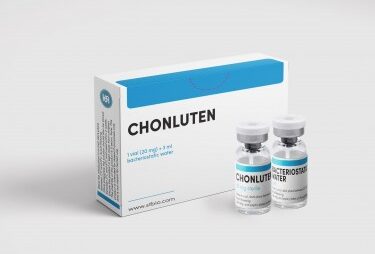
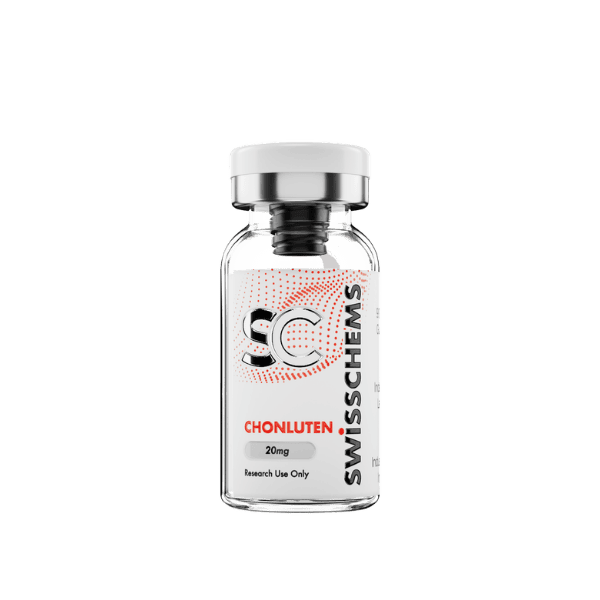
For research purposes, Chonluten is commonly available as a lyophilized (freeze-dried) powder in sealed glass vials. Reconstitution with bacteriostatic water is required prior to use. Research-grade products typically specify high purity levels, with some suppliers reporting HPLC purity averaging 99.4%.
Published Studies
To date, the published research is limited but growing. A 2022 study published in the International Journal of Molecular Sciences evaluated the effects of Chonluten alongside four other Khavinson peptides as regulators of inflammatory and proliferative processes in the human monocytic THP-1 cell line. This non-human in vitro study demonstrated that the peptide modulates proliferative activity and inflammatory pathways in monocyte/macrophage cells.
Evidence Limitations
It is important to note that no human clinical trials or randomized controlled trials have been conducted. The peptide has not been approved by the FDA or evaluated by any Western regulatory agency. All efficacy claims derive primarily from Russian-language preclinical studies that have not been independently replicated in Western laboratories.
It is classified as a research peptide and is intended for laboratory and research purposes only. It is not approved for human consumption, medical treatment, or veterinary use. The information provided about Chonluten is for educational and research purposes only and should not be construed as medical advice, diagnosis, or treatment guidance.
Individuals considering to buy should consult qualified healthcare professionals and be aware that respiratory conditions may require FDA-approved medications with extensive human evidence.
While the current evidence base is limited to preclinical and in vitro studies, the compound’s distinctive mechanism of action—targeting gene expression pathways rather than simply providing nutritional support—makes it a subject of considerable scientific interest.
For researchers exploring the potential of peptide bioregulators in respiratory health, tissue repair, and geroprotection, Chonluten offers a well-characterized compound with a documented mechanism of action and a promising safety profile. As with all research peptides, continued investigation will be essential to fully elucidate its potential applications and limitations.
| Quantity | 1 Vial, 2 Vials, 5 Vials, 10 Vials |
|---|