Currently Empty: £0.00

Call Us:


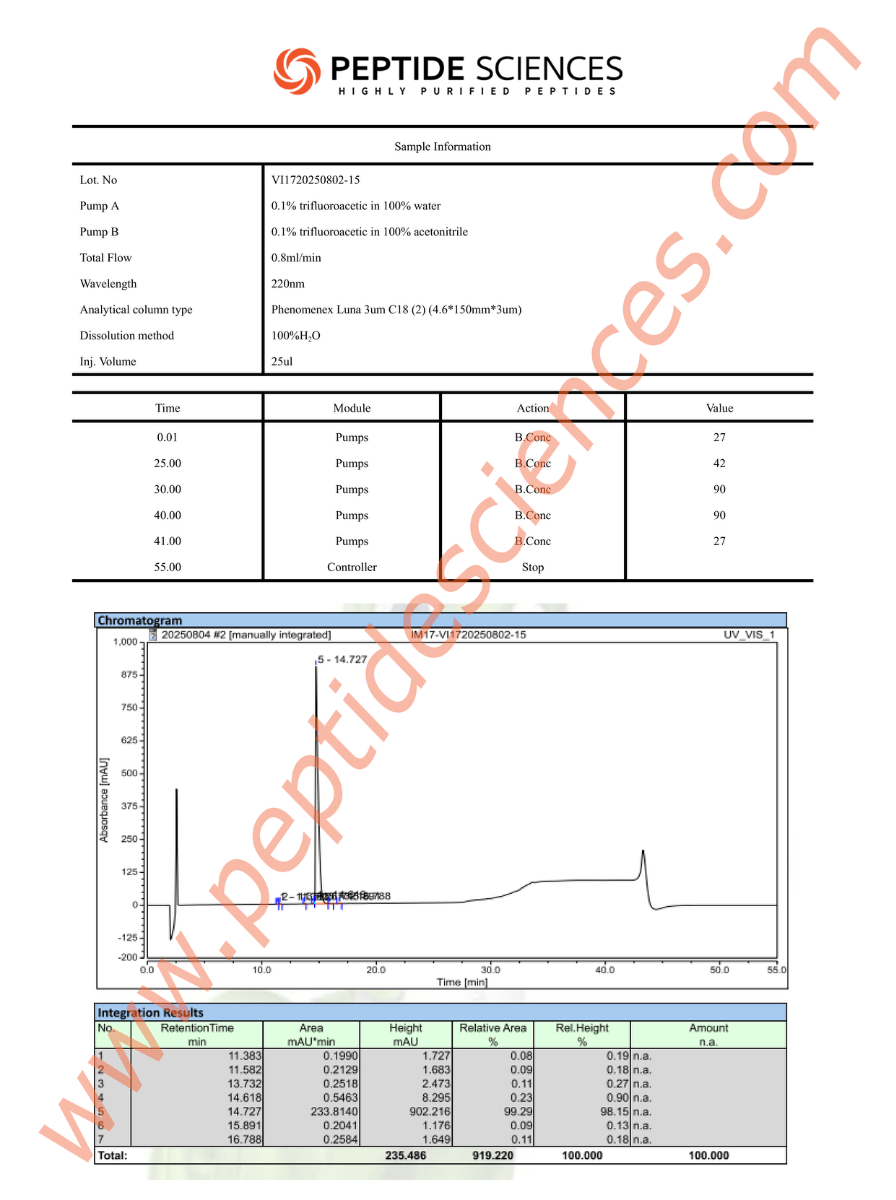
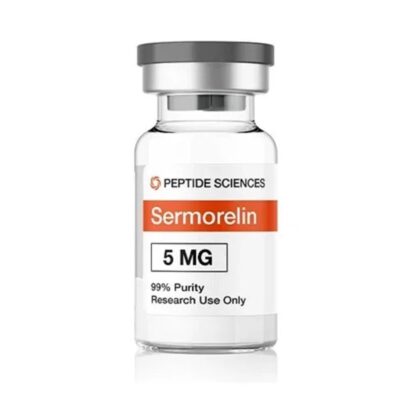

Sermorelin represents a sophisticated approach to addressing age-related growth hormone decline. By working with the body’s natural regulatory systems rather than bypassing them, it offers a physiologic path to supporting lean body mass, recovery, sleep quality, and overall vitality.

Price range: £90.00 through £760.00
In the evolving landscape of wellness and longevity medicine, few compounds have generated as much interest as Sermorelin. As a synthetic peptide that works with the body’s natural biology, Sermorelin offers a unique approach to addressing age-related growth hormone decline. This comprehensive guide explores everything you need to know about Sermorelin, from its mechanism of action to its potential benefits and safety profile.
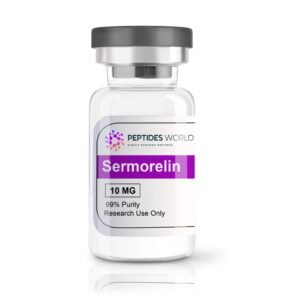
Sermorelin is a synthetic peptide that mimics the action of growth hormone-releasing hormone (GHRH), a natural signaling molecule produced by the hypothalamus. It is a 29-amino-acid peptide that corresponds to the biologically active fragment of naturally occurring human GHRH. First developed in the 1970s, Sermorelin received FDA approval in 1990 for diagnostic use and in 1997 for treating growth hormone deficiency in children.
Today, it is frequently used off-label in adults to address age-related growth hormone insufficiency, a condition often referred to as “somatopause“. Unlike synthetic human growth hormone (HGH), which directly introduces exogenous hormone into the body, Sermorelin works by stimulating the pituitary gland to produce and release the body’s own natural growth hormone.
Sermorelin operates through a sophisticated physiological mechanism that mirrors the body’s natural hormone regulation system. When administered, Sermorelin binds to specific GHRH receptors on somatotroph cells in the anterior pituitary gland. This receptor activation triggers a cascade of events that increases both the synthesis and secretion of endogenous growth hormone.
The result is a pulsatile release of growth hormone that closely resembles the body’s natural secretion pattern. Growth hormone is naturally released in pulses rather than as a steady stream, with the largest pulse typically occurring during sleep. This pulsatile pattern is important because it preserves the body’s natural feedback mechanisms. Elevated circulating growth hormone and insulin-like growth factor 1 (IGF-1) naturally suppress further GHRH signaling, creating a self-regulating loop that reduces the risk of supraphysiological hormone levels.
The downstream effects of increased growth hormone are mediated largely through IGF-1, which is produced by the liver and other tissues in response to growth hormone stimulation. IGF-1 is responsible for many of the anabolic and metabolic effects associated with growth hormone, including protein synthesis, muscle growth, and fat metabolism.
The therapeutic potential of Sermorelin spans multiple areas of health and wellness. Clinical studies have demonstrated measurable improvements in several key areas, particularly in adults over 40 with documented low-normal growth hormone levels.
Lean Body Mass and Body Composition
One of the most sought-after benefits of Sermorelin is its ability to support healthy body composition. Studies report gains of 1–3% in lean body mass over 12–16 weeks when combined with resistance training. Sermorelin promotes lean muscle synthesis and supports fat breakdown (lipolysis), making it a valuable tool for individuals seeking to optimize their body composition.
Recovery and Performance
Athletes and active individuals may benefit from Sermorelin’s effects on recovery. Research shows faster return to baseline strength metrics post-exercise in adults with documented growth hormone decline. The growth hormone-mediated protein synthesis and muscle repair pathways support tissue regeneration and reduce recovery time after intense physical activity.
Sleep Quality
Sermorelin’s evening administration aligns with the body’s natural circadian rhythm, potentially enhancing sleep quality. Modest improvements in REM sleep duration and sleep quality have been noted in 65–75% of participants with baseline low-normal growth hormone levels.
Bone Health
Growth hormone plays a crucial role in bone metabolism. It has been shown to support bone mineral density in eligible populations, making it relevant for individuals concerned about age-related bone loss.
Energy and Vitality
Many patients report increased energy levels and improved mood during Sermorelin therapy. These effects are likely related to the metabolic and restorative functions of growth hormone, which influences immune function, tissue repair, and overall vitality.
One of the most important distinctions to understand is that Sermorelin is not human growth hormone. This difference has significant clinical implications.
HGH refers to growth hormone itself—it is a direct replacement therapy that introduces exogenous hormone into the body. Sermorelin, by contrast, is a releasing-hormone analog that signals the body to make and release its own growth hormone. This distinction matters because the two work through different mechanisms, even though both affect the same growth hormone axis.
Direct HGH therapy carries a higher risk of side effects such as fluid retention, joint pain, carpal tunnel syndrome, and insulin resistance. Sermorelin, by preserving the body’s natural feedback loops, may offer a more physiologic approach with fewer metabolic disturbances. While exogenous HGH provides faster onset of effects (2–4 weeks), Sermorelin typically requires 4–8 weeks for measurable changes.
It is typically administered via subcutaneous injection, similar to insulin injections. The standard starting dose ranges from 0.2 to 0.5 mg administered once daily, usually in the evening before bedtime. Some protocols use doses ranging from 0.5 mg to 3.0 mg per injection, administered 4–7 nights per week.
Evening administration is preferred because growth hormone naturally peaks during sleep cycles. Consistent timing is important for therapeutic efficacy—skipping doses or varying injection times can reduce the cumulative effect of growth hormone stimulation.
IGF-1 levels typically rise after 4 to 8 weeks of consistent Sermorelin use. Peak benefits generally appear after 12–16 weeks of consistent use. Providers typically monitor biomarkers including IGF-1, cortisol, and fasting glucose to assess response and guide dose adjustments.
Alternative administration methods include sublingual troches, which dissolve under the tongue and allow it to be absorbed directly into the bloodstream, bypassing the gastrointestinal tract.

It is generally considered safe when prescribed by qualified healthcare providers. The most common side effects are mild and transient.
Injection site reactions—including pain, redness, swelling, or erythema—occur in approximately 10–30% of patients. These reactions typically resolve within hours to days and can be minimized by rotating injection sites and maintaining proper technique.
Systemic effects include flushing, dizziness, headache, and mild hyperglycemia. Flushing typically occurs within minutes of injection and resolves within 15–30 minutes. Headache is reported in 5–15% of users and is usually mild. Most side effects are dose-dependent and often diminish within the first weeks of use.
Individuals with insulin resistance, prediabetes, or type 2 diabetes may experience more pronounced blood glucose elevation and should be monitored closely. Contraindications include active malignancy, uncontrolled diabetes, severe cardiovascular disease, and certain pituitary conditions. Pituitary tumors must be excluded before GHRH agonist therapy.
Its clinical value is highest in adults aged 35–65 with documented low-normal or declining growth hormone levels. Individuals with optimal baseline GH levels rarely experience clinically meaningful benefit regardless of dosing. Response varies significantly based on age, baseline GH status, sleep quality, nutritional status, and genetic factors.
While not appropriate for everyone, for carefully selected individuals with documented growth hormone insufficiency, Sermorelin may offer meaningful benefits with a favorable safety profile. As with any therapeutic intervention, a thorough evaluation by a qualified healthcare provider is essential to determine whether Sermorelin aligns with individual health goals and medical history.
| Dosage | 5mg, 10mg |
|---|---|
| Quantity | 1 Vial, 2 Vials, 5 Vials, 10 Vials |


SOLD OUT