Currently Empty: £0.00

Call Us:


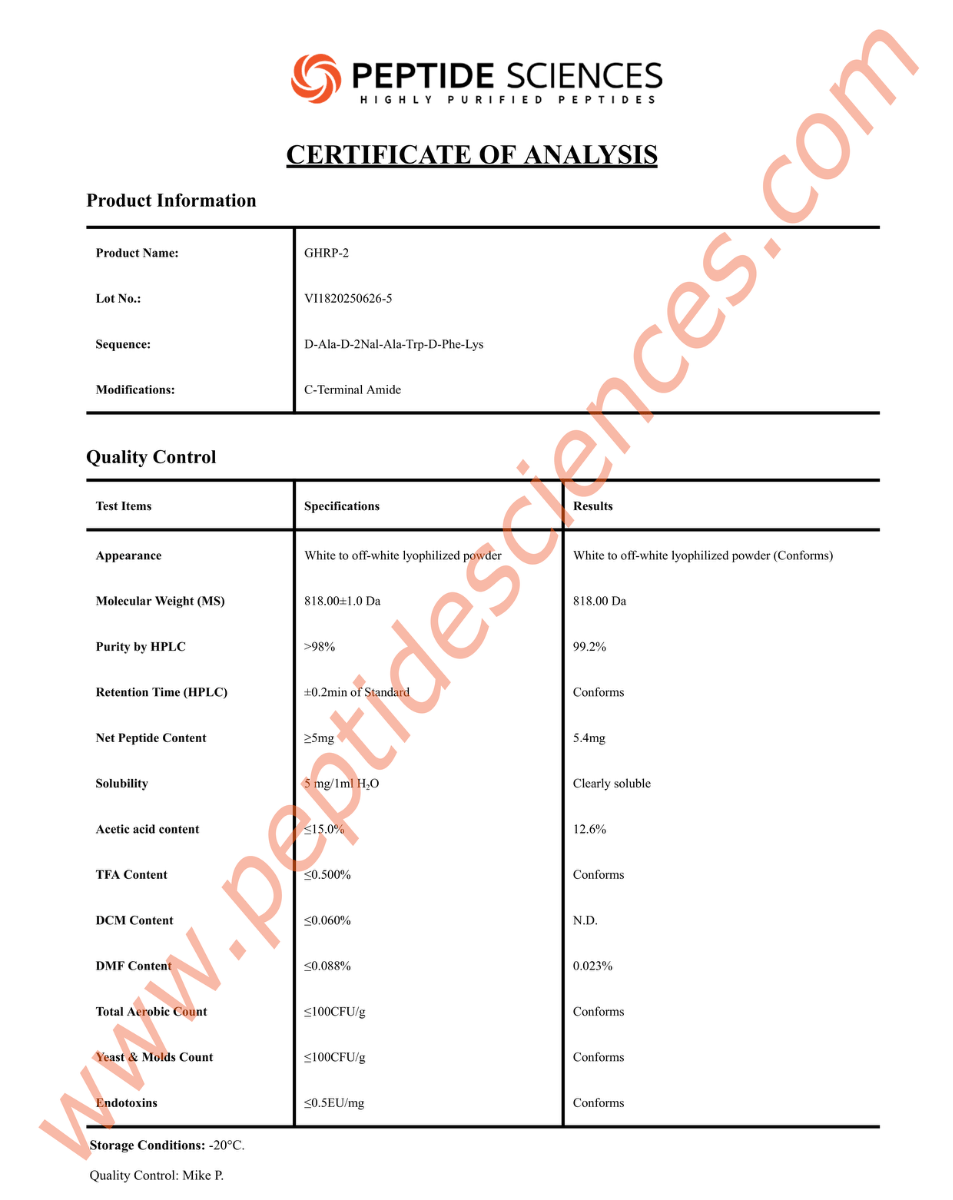
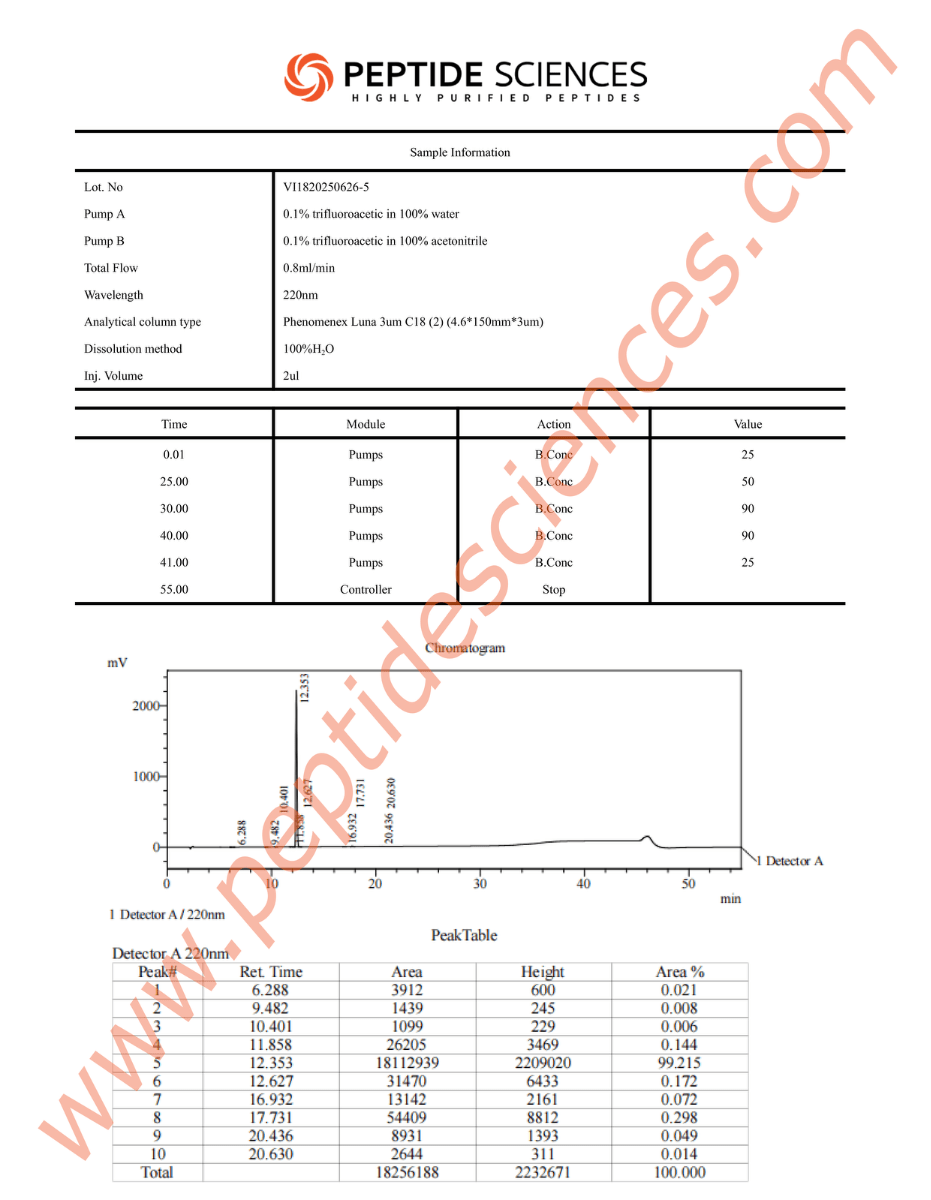
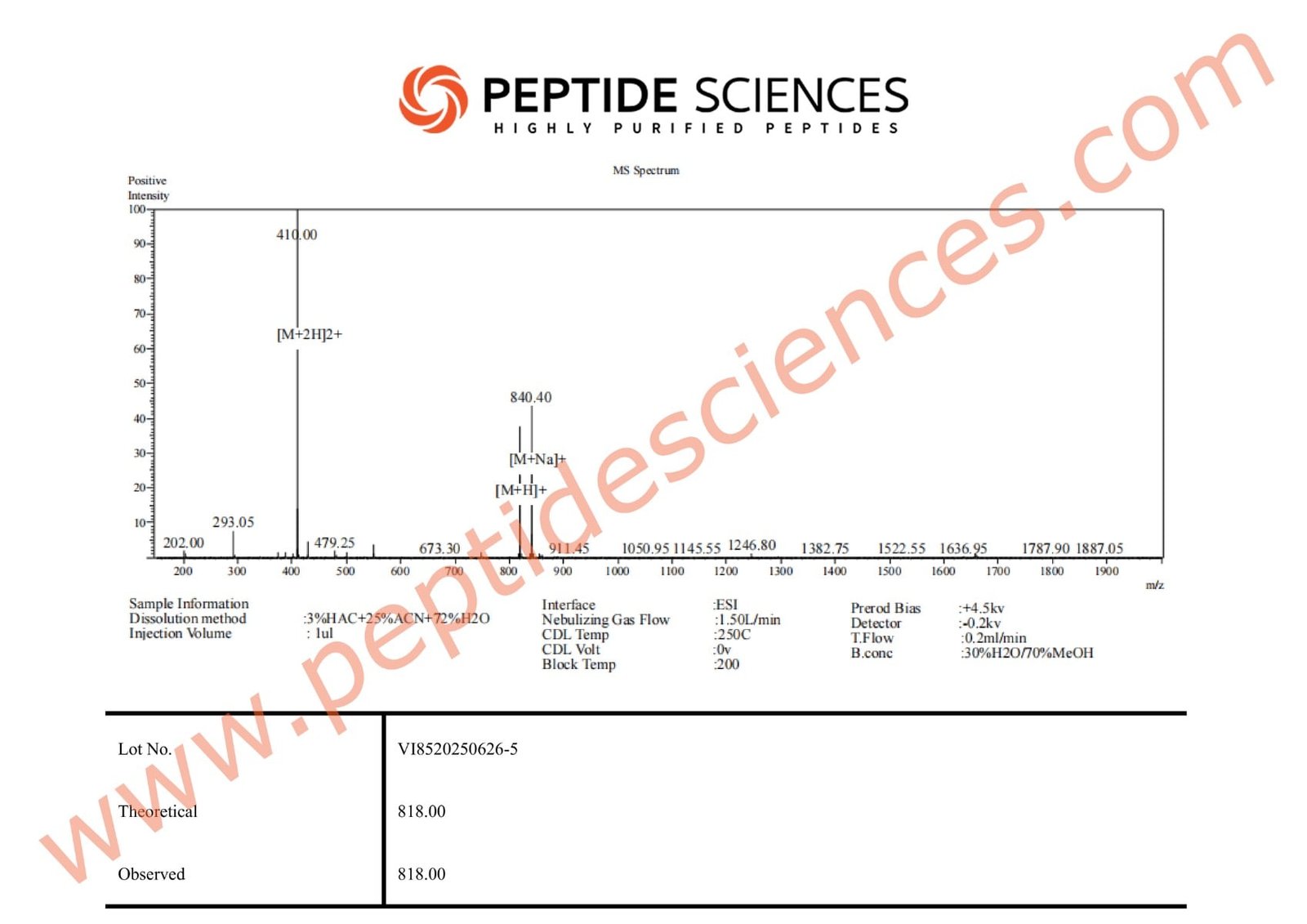



GHRP 2 remains a significant compound in the history and science of GH secretagogues. Its development and characterization have contributed substantially to our understanding of the neuroendocrine regulation of GH secretion, the role of the ghrelin-GHS-R1a system, and the therapeutic potential of peptidic GH releasers.

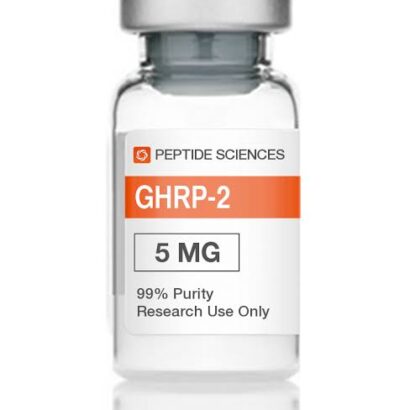
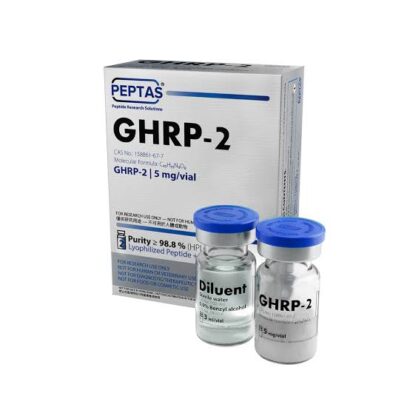
GHRP 2 (Growth Hormone Releasing Peptide-2), also known as Pralmorelin, is a synthetic hexapeptide belonging to the growth hormone releasing peptide (GHRP) family. As a second-generation GHRP, it functions by activating the growth hormone secretagogue receptor (GHS-R1a) to stimulate the release of endogenous growth hormone.

GHRP 2 has been utilized in clinical research for the diagnosis and treatment of growth hormone deficiency, while also garnering significant attention in sports performance enhancement and anti-aging medicine. This comprehensive review examines the molecular mechanisms, clinical research findings, dosing protocols, safety profile, and regulatory status of GHRP 2, providing an evidence-based analysis of this potent GH secretagogue.
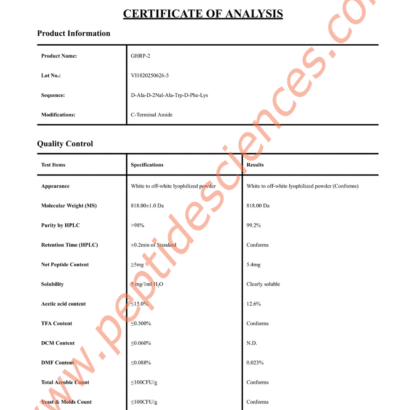
GHRP 2 is a synthetic hexapeptide composed of six amino acids. Its molecular formula is C₄₅H₅₄O₆N₉, with a molecular weight of approximately 818 Daltons. The amino acid sequence is D-Ala-D-2-Nal-Ala-Trp-D-Phe-Lys-NH₂. The compound is registered under CAS number 158861-67-7.
As a prominent member of the GHRP family, GHRP 2 was developed as a second-generation compound building upon the foundational work of GHRP-6. Structure-activity relationship studies have demonstrated that GHRP-2 exhibits significantly superior GH-releasing potency compared to its predecessors, GHRP-6 and GHRP-1, in both rodent models and human subjects. The enhanced potency is attributed to specific structural modifications that optimize receptor binding affinity and intrinsic activity at the GHS-R1a receptor.
Regarding pharmacokinetic properties, GHRP 2 has a plasma half-life of approximately 30 minutes. This relatively brief half-life indicates a transient window of biological activity, necessitating frequent administration to maintain sustained elevations in circulating GH levels. The compound is rapidly cleared from the circulation, with metabolites excreted primarily through renal pathways.
2.1 Receptor Binding and Signal Transduction
The primary molecular target of GHRP 2 is the growth hormone secretagogue receptor type 1a (GHS-R1a). This receptor is a G protein-coupled receptor (GPCR) predominantly expressed in the hypothalamus and the anterior pituitary gland. Notably, GHS-R1a serves as the endogenous receptor for ghrelin, the “hunger hormone” produced primarily by the gastric mucosa.
Upon binding to GHS-R1a, GHRP-2 activates the Gq/11 protein signaling cascade. This activation triggers phospholipase C (PLC), which catalyzes the hydrolysis of phosphatidylinositol 4,5-bisphosphate (PIP₂) into inositol trisphosphate (IP₃) and diacylglycerol (DAG). IP₃ subsequently mobilizes intracellular calcium stores from the endoplasmic reticulum, leading to a rapid and sustained elevation in cytosolic calcium concentration. This calcium flux serves as the primary intracellular signal that stimulates somatotroph cells in the anterior pituitary to release pre-synthesized GH storage vesicles.
2.2 Dual Sites of Action
GHRP-2 exerts its GH-releasing effects through a dual mechanism involving both hypothalamic and pituitary pathways:
Pituitary Level: GHRP 2 acts directly on somatotroph cells within the anterior pituitary gland. Through GHS-R1a receptor activation, it stimulates the exocytosis of GH-containing secretory granules independent of endogenous GHRH (Growth Hormone Releasing Hormone) signaling. This direct pituitary action accounts for a substantial portion of the acute GH response.
Hypothalamic Level: Concurrently, GHRP 2 crosses the blood-brain barrier to act on hypothalamic GHS-R1a receptors. This hypothalamic stimulation achieves two critical effects: (1) it activates GHRH-secreting neurons in the arcuate nucleus, promoting the release of GHRH into the hypothalamic-pituitary portal circulation; and (2) it inhibits the release of somatostatin (also known as growth hormone-inhibiting hormone) from periventricular somatostatinergic neurons. Somatostatin serves as the primary negative regulator of GH secretion, and its suppression effectively removes the “brakes” on GH release.
By simultaneously “stepping on the accelerator” (stimulating GHRH) and “releasing the brake” (inhibiting somatostatin), GHRP 2 generates a robust GH secretory pulse that substantially exceeds the response achievable through either mechanism alone.
2.3 Synergistic Interaction with GHRH
One of the most pharmacologically significant properties of GHRP 2 is its profound synergy with GHRH. These two compounds activate distinct intracellular signaling pathways: GHRH binds to the GHRH receptor, which is coupled to the Gs protein, leading to adenylyl cyclase activation, cyclic AMP (cAMP) accumulation, and subsequent protein kinase A (PKA) activation. In contrast, GHRP-2 operates through the Gq/PLC/IP₃/calcium pathway.
When administered concurrently, these complementary signaling pathways converge on the transcription factor CREB (cAMP Response Element-Binding Protein) and other downstream effectors, resulting in a GH release that is markedly greater than the additive sum of their individual effects. This synergistic amplification is a cornerstone of combination protocols, where GHRP-2 is frequently paired with GHRH analogs such as CJC-1295 (a long-acting GHRH analog with a half-life extended by drug affinity complex technology) or Sermorelin (a shorter-acting GHRH fragment).
2.4 Effects on IGF-1
The GH pulses induced by GHRP-2 stimulate the hepatic production of Insulin-like Growth Factor-1 (IGF-1), the primary mediator of many GH physiological effects. IGF-1 is responsible for the anabolic, growth-promoting, and metabolic actions classically associated with GH, including protein synthesis, chondrocyte proliferation, and linear bone growth.
Research indicates that sustained GHRP 2 administration can elevate baseline IGF-1 levels by approximately 20% to 50%, although the magnitude of this response exhibits considerable inter-individual variability. Factors influencing the IGF-1 response include baseline GH status, age, nutritional status, hepatic function, and concurrent medication use.
2.5 Effects on Other Hormonal Axes
GHRP-2 is not entirely selective for the GH axis. It exerts measurable effects on several other hormonal systems, which constitutes a significant distinction from more selective compounds:
ACTH and Cortisol: GHRP-2 stimulates the pituitary release of adrenocorticotropic hormone (ACTH), which in turn drives adrenal cortisol secretion. This effect is dose-dependent and typically peaks within 30 minutes of administration, returning to baseline levels within 2-3 hours. At standard doses (100-200 mcg), the cortisol elevation is generally modest and transient. However, at higher doses (exceeding 300 mcg per injection), the cortisol response becomes more pronounced and clinically relevant.
Prolactin: GHRP-2 can also produce mild to moderate elevations in serum prolactin levels. Like the cortisol response, this effect is dose-dependent and generally transient. The magnitude of prolactin elevation is typically less than that observed with GHRP-6 but greater than that seen with Ipamorelin.
Ghrelin-mimetic effects: As a ghrelin receptor agonist, GHRP-2 also influences appetite signaling, gastric motility, and metabolic regulation, which are discussed in subsequent sections.
3.1 Diagnosis and Treatment of Growth Hormone Deficiency
GHRP-2 was initially developed and validated as a diagnostic tool for assessing GH secretory capacity. In GH stimulation testing, a single intravenous or subcutaneous dose of GHRP 2 reliably produces a measurable GH peak within 15-30 minutes. The test is particularly valuable in distinguishing between true GH deficiency and functional or constitutional delays in growth.
In the therapeutic context, several studies have examined GHRP 2 in children with GH deficiency. A notable 12-month study involving 10 prepubertal children with confirmed GH deficiency evaluated oral GHRP 2 at a dose of 900 μg/kg administered twice daily.
While 7 of the 10 patients reported subjectively increased appetite during the first six months, the changes in BMI standard deviation scores (SDS) did not reach statistical significance at the study’s conclusion. The investigators concluded that while GHRP 2 demonstrates transient orexigenic effects, its long-term clinical impact on growth parameters is limited in this population.
Another research avenue explored intranasal GHRP 2 spray in children with GH-deficient short stature. The nasal formulation successfully stimulated endogenous GH secretion, but the growth-promoting effects were modest, likely due to variable bioavailability and the relatively short duration of GH elevation.
3.2 Appetite Regulation and Weight Modulation
As a ghrelin receptor agonist, GHRP-2 shares ghrelin’s ability to stimulate appetite. This orexigenic effect is mediated through hypothalamic neuropeptide Y (NPY) and agouti-related protein (AgRP) pathways. Animal studies have demonstrated that GHRP-2 administration can lead to increased body weight, although interestingly, some studies reported this effect without corresponding increases in food intake, suggesting potential metabolic alterations beyond simple caloric intake modulation.
Preclinically, GHRP-2 has been explored as a potential therapeutic aid for conditions characterized by pathological weight loss and anorexia, including:
· Anorexia nervosa
· Cancer cachexia
· Chronic obstructive pulmonary disease (COPD)-associated wasting
· HIV/AIDS-associated wasting
However, the development of GHRP-2 for these indications has been limited by its short half-life, the availability of more selective ghrelin analogs, and regulatory hurdles.
3.3 Body Composition and Performance Enhancement
In the realms of sports performance and body recomposition, GHRP 2 is utilized to promote fat reduction and lean muscle accrual. The mechanistic basis for these effects involves:
· Enhanced protein synthesis via mTOR (mammalian target of rapamycin) pathway activation
· Recruitment and activation of muscle satellite cells for repair and hypertrophy
· Increased collagen synthesis and connective tissue remodeling
· Lipolysis promotion through hormone-sensitive lipase (HSL) activation
· Inhibition of adipocyte differentiation and lipid accumulation
GHRP-2 has been investigated in patients with GH deficiency or subclinical hypogonadism as an adjunct therapy to improve body composition, bone density, and overall functional capacity. However, the majority of performance-related use occurs in non-clinical settings, a context that raises significant safety and ethical concerns.
3.4 Cardiovascular Research
An area of emerging research interest involves GHRP-2’s potential interactions with the cardiovascular system. One study utilized ApoE knockout mice, a well-established model of hypercholesterolemic atherosclerosis, to examine GHRP-2’s anti-atherosclerotic potential. The rationale was based on GHRP-2’s ability to bind CD36, a scavenger receptor for oxidized low-density lipoprotein (oxLDL) that plays a critical role in foam cell formation and atherosclerotic plaque development.
Theoretically, competitive inhibition of CD36-mediated oxLDL uptake by GHRP 2 could reduce atherosclerotic burden. However, in this specific experimental model, subcutaneous GHRP 2 administration failed to reduce atherosclerotic plaque area. The investigators attributed this negative finding to several possibilities:
· Suboptimal drug delivery or bioavailability at the target site
· Unfavorable pharmacokinetic characteristics preventing sustained receptor occupancy
· Insufficient pharmacodynamic potency to adequately block CD36-mediated oxLDL uptake in vivo
Despite these negative findings, the potential cardiovascular effects of ghrelin receptor agonists remain an active area of investigation, with some studies suggesting beneficial effects on cardiac contractility, vasodilation, and endothelial function.
4.1 Standard Dosage
In research settings and clinical protocols, the typical single injection dose of GHRP-2 ranges from 100 to 300 micrograms. The dosing frequency is generally 2 to 3 times daily.
For individuals initiating therapy with appropriate medical supervision, a conservative starting protocol involves 100 micrograms administered twice daily, with morning administration occurring upon waking in a fasted state and the evening dose administered before bedtime. More aggressive protocols utilize 100-300 micrograms administered three times daily (morning, post-workout or mid-afternoon, and pre-bedtime).
4.2 Route of Administration
GHRP 2 is typically administered via subcutaneous injection, utilizing the abdominal region as the preferred injection site. The subcutaneous route provides reliable absorption with peak plasma concentrations achieved within 15-30 minutes.
It is noteworthy that GHRP 2 also possesses oral bioavailability, as demonstrated in pediatric studies where oral formulations were employed. However, oral administration is substantially less efficient than subcutaneous delivery due to first-pass hepatic metabolism and gastrointestinal degradation. Consequently, subcutaneous injection remains the overwhelmingly preferred route for both clinical and research applications.
4.3 Timing of Administration
To maximize the GH secretory response, GHRP-2 should be administered in a fasting state. Ingestion of food, particularly carbohydrates and fats, triggers insulin secretion, and the resulting hyperinsulinemia directly suppresses GH secretion through reciprocal hypothalamic signaling. A minimum fasting window of 30-60 minutes post-injection is recommended before consuming any calories.
The bedtime dose holds particular importance due to the well-established physiological pattern of maximal GH release occurring during deep slow-wave sleep (stages 3 and 4). The nocturnal administration of GHRP-2 effectively amplifies this endogenous sleep-associated GH pulse, accounting for a substantial portion of the total daily GH output achieved with the compound.
4.4 Cycling Protocols
To mitigate the development of receptor desensitization or tachyphylaxis—a phenomenon where repeated agonist exposure leads to diminished responsiveness—cyclical administration regimens are strongly recommended.
Standard cycle: 8-12 weeks of continuous administration followed by a 4-week washout period to restore receptor sensitivity and allow normalization of the GH/IGF-1 axis.
Intermittent approach: A “5 days on, 2 days off” schedule, which reduces cumulative receptor exposure while maintaining therapeutic efficacy. This pattern also aligns with the natural circadian and ultradian rhythms of GH secretion.
4.5 Combination Therapy
As discussed in the mechanisms section, GHRP 2 is frequently combined with GHRH analogs to exploit their synergistic interaction. Common combination protocols include:
Combination Rationale
GHRP-2 + CJC-1295 CJC-1295’s long half-life (~6-8 days) provides sustained GHRH background, while GHRP-2 provides pulsatile amplification; this mimics the natural GH rhythm more closely
GHRP-2 + Sermorelin Sermorelin (GHRH 1-29) provides the GHRH component with a shorter half-life (~20-30 minutes), offering a more pulsatile profile but requiring more frequent administration
In combination protocols, both peptides are typically administered simultaneously in the same syringe (assuming appropriate reconstitution and compatibility). The standard approach involves administering GHRP-2 and the GHRH analog together at the same dosing times.
5.1 Common Adverse Effects
The most frequently reported side effects associated with GHRP 2 administration include:
· Increased appetite: Moderate in intensity and significantly less pronounced than that observed with GHRP-6. The orexigenic effect is typically most noticeable in the 30-60 minute window post-injection.
· Transient water retention: Mild peripheral edema, particularly noticeable in the extremities, reflects GH-mediated antidiuretic and sodium-retaining effects. This contributes to temporary weight gain, which typically resolves during the washout period.
· Post-injection somnolence: A feeling of drowsiness or lethargy occurring shortly after administration, particularly with the bedtime dose.
· Paresthesias: Transient tingling or numbness, particularly in the hands and face, reflecting rapid shifts in GH and IGF-1 signaling.
· Joint stiffness: Mild arthralgias, particularly upon waking, associated with GH-mediated synovial fluid changes.
5.2 Hormonal Side Effects
The most clinically significant adverse effects of GHRP-2 relate to its non-selective hormonal activation:
Cortisol elevation: At single doses exceeding 200-300 micrograms, GHRP-2 reliably produces measurable increases in serum cortisol. The magnitude is dose-dependent, with higher doses producing a more pronounced and prolonged cortisol response.
This cortisol elevation may be problematic for individuals with pre-existing hypercortisolism, metabolic syndrome, or those who are sensitive to glucocorticoid effects on immune function, bone density, and insulin sensitivity. At standard protocols of 100-200 micrograms twice daily, the cortisol response is generally transient (2-3 hours) and clinically insignificant in healthy individuals.
Prolactin elevation: Similar to cortisol, prolactin increases are dose-dependent. Clinically significant hyperprolactinemia is uncommon at standard doses but may occur at higher dosing levels or in susceptible individuals.
5.3 Receptor Desensitization (Tachyphylaxis)
Continuous, uninterrupted GHRP 2 administration leads to a progressive decline in response magnitude, typically observable within 1-4 weeks of continuous use. This phenomenon is attributed to:
· GHS-R1a receptor internalization and downregulation
· Depletion of readily releasable GH stores in pituitary somatotrophs
· Feedback inhibition from elevated IGF-1 levels at the hypothalamic and pituitary levels
This desensitization is the fundamental rationale for cyclical dosing protocols.
5.4 Comparative Safety Among GHRPs
GHRP-2 occupies an intermediate position among the GHRP family in terms of the balance between efficacy and side effect profile:
Parameter GHRP-2 GHRP-6 Ipamorelin
GH stimulation potency High High Moderate
Orexigenic effect Moderate Very high Minimal
Cortisol/prolactin elevation Present (dose-dependent) Present Minimal
Receptor selectivity Moderate Low Very high
Recommended clinical preference Diagnostic, research Research only Therapeutic use
GHRP-2 produces a more robust GH pulse than Ipamorelin but carries a greater side effect burden. Compared to GHRP-6, GHRP-2 is less orexigenic but produces more significant cortisol and prolactin elevations.

6.1 Regulatory Status
In the United States, the Food and Drug Administration (FDA) classifies GHRP-2 as a “Research Use Only” compound. It is not approved for human therapeutic use outside of specific clinical research protocols with Investigational New Drug (IND) applications. Similarly, in the European Union and most other jurisdictions, GHRP-2 lacks approval for human medicinal use.
The absence of regulatory approval means that GHRP-2 cannot be legally prescribed by physicians for clinical treatment. It is not manufactured by major pharmaceutical companies for commercial distribution but rather obtained through research chemical suppliers, compounding pharmacies (in specific jurisdictions), or unregulated online sources.
6.2 Anti-Doping Agency Considerations
The World Anti-Doping Agency (WADA) explicitly lists GHRP-2 and all other GHRPs as prohibited substances under the S2 category (Peptide Hormones, Growth Factors, and Related Substances). The prohibition applies both in-competition and out-of-competition. Athletes found to have used GHRP-2 are subject to sanctions, including disqualification, forfeiture of medals, and suspensions from competition.
The WADA prohibition is based on the compound’s potent GH-releasing effects, which confer performance-enhancing advantages through anabolic effects, enhanced recovery, and potential alterations in body composition. The detection of GHRP 2 and its metabolites in urine samples is possible through advanced mass spectrometry techniques, with detection windows varying depending on the specific assay and the route and timing of administration.
6.3 Ethical and Safety Considerations
The non-clinical, self-administered use of GHRP 2 raises numerous ethical and safety concerns:
Lack of long-term safety data: No long-term (multi-year) prospective studies have been conducted on GHRP 2 use in healthy populations. Potential risks include:
· Proliferative effects on existing malignancies (GH and IGF-1 are mitogenic)
· Long-term alterations in the hypothalamic-pituitary-somatotropic axis
· Potential for insulin resistance and glucose intolerance
· Unknown effects on organ growth and function
Uncontrolled product quality: Peptides obtained from non-regulated sources may suffer from:
· Inaccurate purity and potency claims
· Contamination with heavy metals, bacterial endotoxins, or other impurities
· Incorrect amino acid sequence or structural degradation
· Lack of sterility, posing infection risks
Absence of medical supervision: Self-administration without monitoring prevents early detection and management of adverse effects such as:
· Hypercortisolism
· Hyperprolactinemia
· Glucose dysregulation
· Fluid and electrolyte disturbances
Ethical concerns in performance settings: The use of GHRP 2 for performance enhancement contradicts the principles of fair play, undermines the integrity of sport, and places non-using athletes at a competitive disadvantage.
7. Conclusion and Future Directions
GHRP-2 remains a significant compound in the history and science of GH secretagogues. Its development and characterization have contributed substantially to our understanding of the neuroendocrine regulation of GH secretion, the role of the ghrelin-GHS-R1a system, and the therapeutic potential of peptidic GH releasers.
The compound’s potency, rapid onset of action, and synergistic interaction with GHRH render it a valuable research tool for investigating the GH axis and a useful diagnostic agent for assessing GH secretory reserve. However, its relative lack of receptor selectivity—manifesting in cortisol and prolactin elevation—limits its therapeutic utility compared to more recently developed alternatives such as Ipamorelin or the non-peptidic ghrelin receptor agonists.
Future research directions include:
1. Development of selective GHS-R1a agonists: Compounds that retain full GH-releasing efficacy while entirely eliminating off-target hormonal effects would represent a significant therapeutic advancement.
2. Exploration of tissue-specific effects: Investigation of GHRP 2’s effects on specific tissues (bone, muscle, adipose, cardiac) could identify novel therapeutic applications.
3. Optimization of delivery systems: Development of sustained-release formulations, transdermal delivery systems, or more bioavailable oral formulations could improve patient compliance and clinical utility.
4. Long-term safety studies: Well-designed, prospective studies are needed to establish the safety profile of chronic GHRP 2 administration across different populations.
5. Combination strategies: Further exploration of GHRP 2 combinations with other anabolic agents (testosterone, selective androgen receptor modulators, exercise) could yield optimized protocols for specific clinical indications.
For individuals considering GHRP 2 use, it is imperative to recognize its status as an investigational compound, the potential for significant adverse effects, and the legal and ethical constraints surrounding its use. Any legitimate application should occur exclusively within the context of approved clinical trials conducted under rigorous medical supervision. Self-administration without appropriate oversight is strongly discouraged due to the well-documented risks and the absence of proven long-term benefit in healthy populations.