Currently Empty: £0.00

Call Us:





IGF-1 LR3 exerts its biological effects primarily through binding to the type 1 IGF receptor (IGF-1R), a transmembrane receptor tyrosine kinase expressed on virtually all mammalian cell types. Upon receptor activation, two major intracellular signaling pathways are engaged
Price range: £110.00 through £500.00
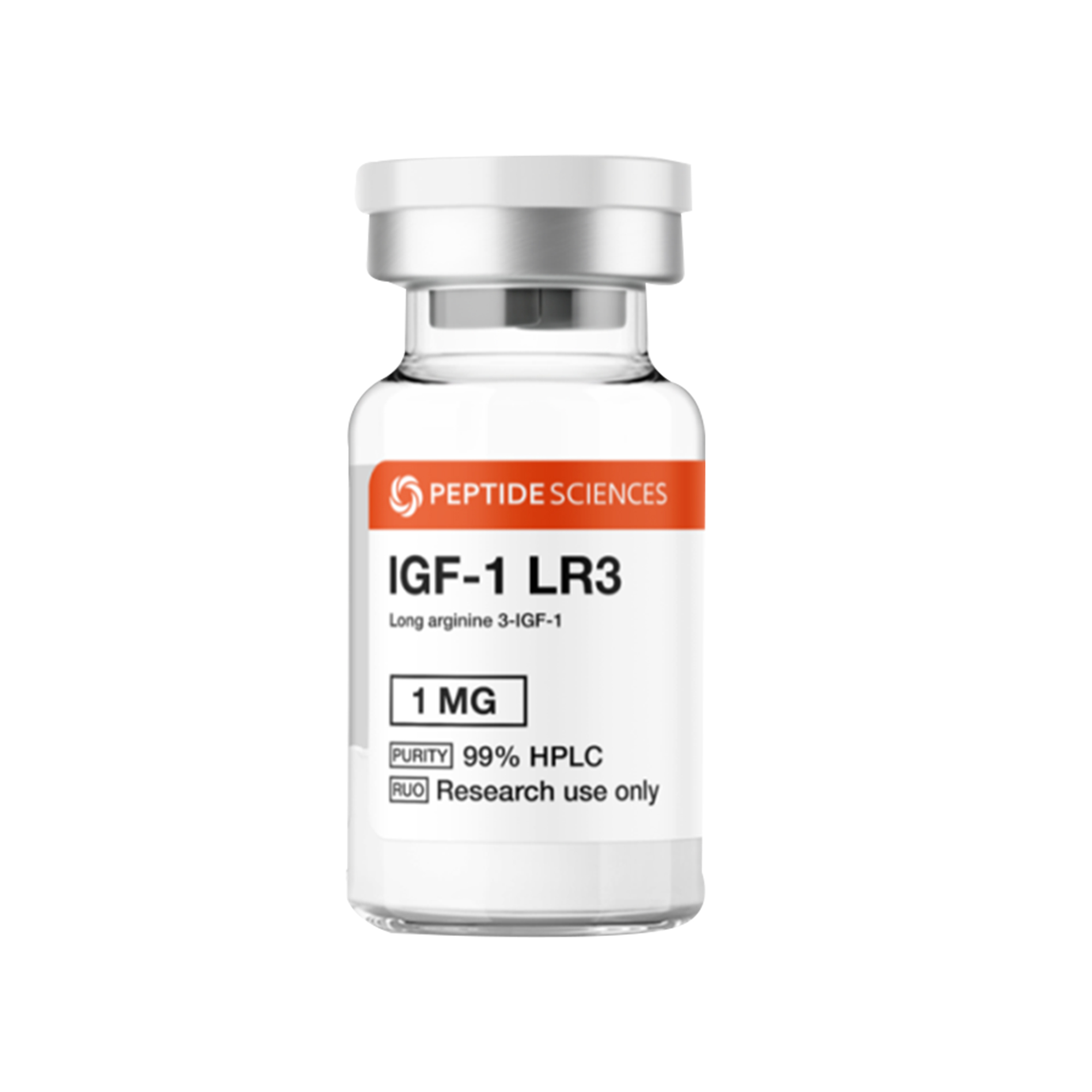
IGF-1 LR3 (Long Arginine 3-Insulin-like Growth Factor-I), also known as Long R3 IGF-1 or LR3-IGF-1, is a synthetic 83-amino acid analog of human insulin-like growth factor 1 (IGF-1). With a molecular weight of approximately 9.1 kDa, this single non-glycosylated polypeptide chain was specifically engineered to overcome the limitations of native IGF-1. By dramatically reducing binding to IGF binding proteins (IGFBPs), IGF-1 LR3 achieves substantially increased biological potency and an extended functional half-life compared to its natural counterpart.

Developed through systematic structure-activity studies at the Cooperative Research Centre for Tissue Growth and Repair in Adelaide, Australia, during the late 1980s and early 1990s, IGF-1 LR3 has become an indispensable tool in biomedical research and biopharmaceutical manufacturing.
The molecular engineering of IGF-1 LR3 represents a masterpiece of protein design. Native IGF-1 is a 70-amino acid peptide that circulates largely bound to six high-affinity IGF binding proteins (IGFBP-1 through IGFBP-6), with approximately 99% of circulating IGF-1 bound—predominantly in a ternary complex with IGFBP-3 and the ASL. This extensive protein binding severely limits free IGF-1 bioavailability and results in a circulating half-life of only 12–15 minutes for unbound IGF-1.
1. Arginine substitution at position 3: The glutamic acid residue at position 3 is replaced with arginine (Glu3→Arg), significantly reducing binding affinity for IGFBPs.
2. N-terminal extension: A 13-amino acid peptide extension (MFPAMPLLSLFVN) is added to the N-terminus, further disrupting IGFBP recognition while preserving receptor binding affinity.
These modifications ensure that a much higher proportion of the peptide remains in its free, bioactive form. Importantly, IGF-1 LR3 binds to the type 1 IGF receptor with similar affinity to wild-type IGF-1, preserving its biological signaling capacity.
IGF-1 LR3 exerts its biological effects primarily through binding to the type 1 IGF receptor (IGF-1R), a transmembrane receptor tyrosine kinase expressed on virtually all mammalian cell types. Upon receptor activation, two major intracellular signaling pathways are engaged:
The PI3K/Akt Pathway: IGF-1R activation leads to phosphorylation of insulin receptor substrate (IRS) proteins, recruiting and activating phosphoinositide 3-kinase (PI3K). PI3K generates PIP3 at the membrane, which recruits and activates Akt (protein kinase B). Akt phosphorylation drives protein synthesis via mTORC1 activation, anti-apoptotic signaling through inactivation of pro-apoptotic factors BAD and caspase-9, and glucose uptake via GLUT4 transporter translocation.
The MAPK/ERK Pathway: IGF-1R activation also engages the Ras→Raf→MEK→ERK cascade, which primarily drives cellular proliferation and differentiation.
IGF-1 LR3 is one of the most effective activators of the AKT signaling pathway, stimulating cell growth and proliferation while inhibiting apoptosis.
The most significant advantage of IGF-1 LR3 lies in its dramatically improved pharmacokinetic profile. While native free IGF-1 has a half-life of only 10–12 minutes, IGF-1 LR3 exhibits a functional half-life of approximately 20–30 hours—an increase of over 100-fold.
This extended bioavailability makes IGF-1 LR3 substantially more potent in cell culture and preclinical assay systems on a molar basis. Research indicates that LR3IGF-I is generally 1.5- to 2-fold more potent than native IGF-I, with some studies demonstrating approximately two to three times greater biological potency. This increased potency is not due to enhanced receptor affinity, but because a far greater proportion of the analog remains in the free, bioactive state.

Cell Culture and Biopharmaceutical Production: IGF-1 LR3 was specifically developed for supplementation of mammalian cell culture to support the survival and proliferation of cells. Supplementation at much lower concentrations results in equivalent or better productivity than supplementation with standard concentrations of insulin. It is ideal for both research and large-scale culturing applications.
Stem Cell Research: IGF 1 LR3 can be used to substitute insulin for the consistent, reproducible maintenance of human pluripotent stem cells.
Tissue Engineering and Regenerative Medicine: As a mitogenic polypeptide growth factor, it stimulates the proliferation and survival of various cell types, including muscle, bone, and cartilage tissue.
Signal Transduction Research: IGF 1 LR3 is extensively utilized to investigate mechanisms of cell growth, proliferation, and protein synthesis across diverse mammalian cell lines.
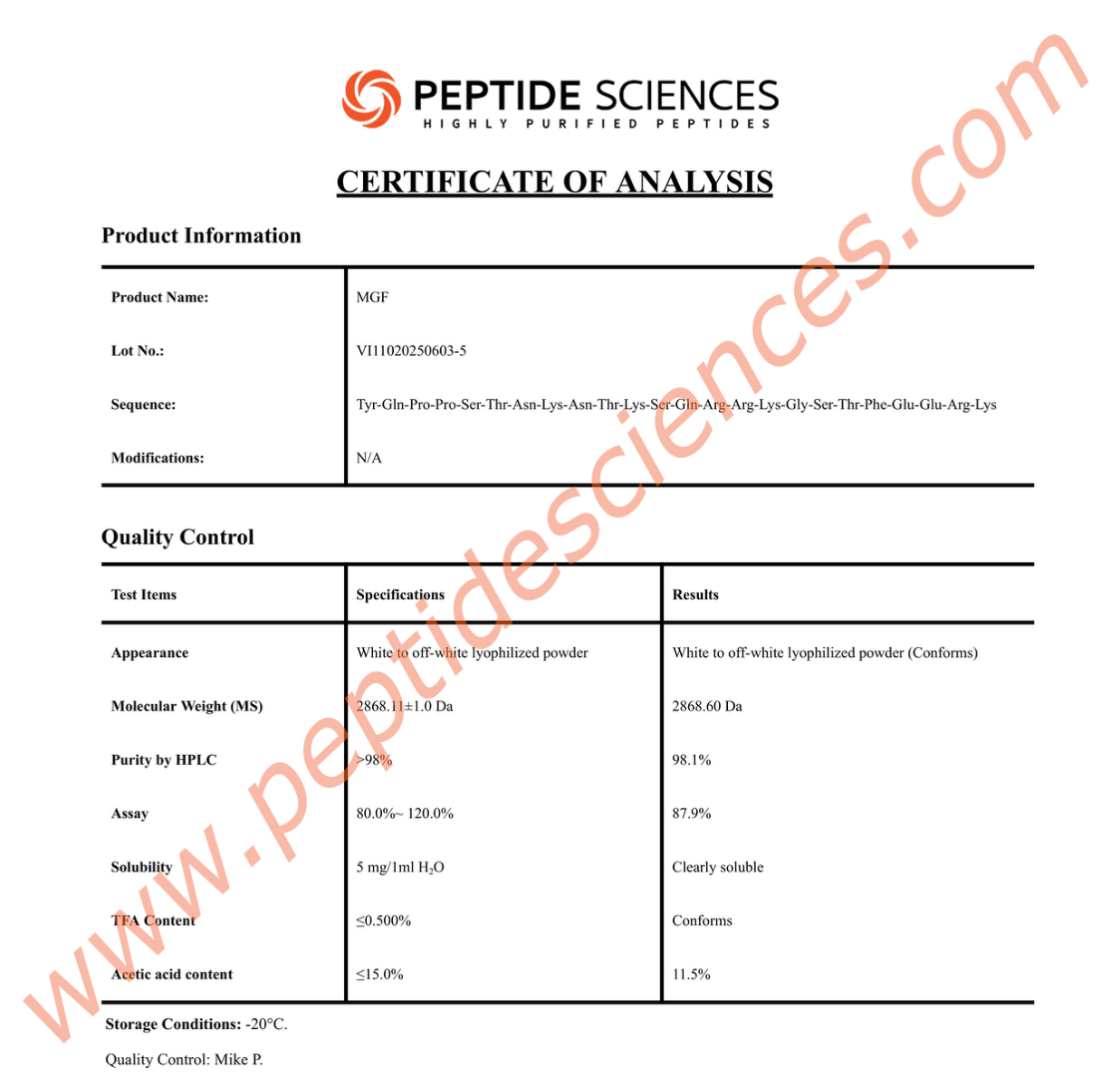
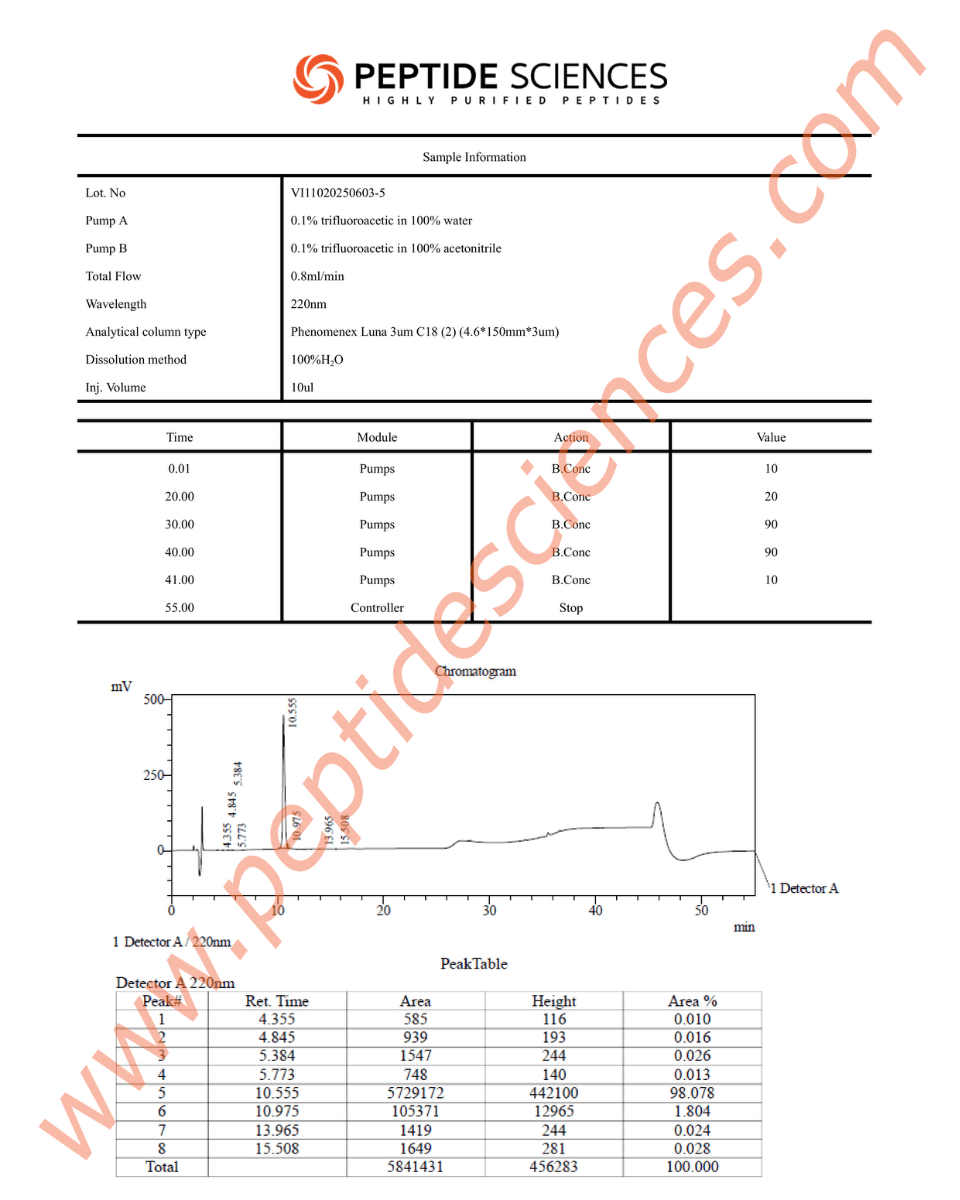
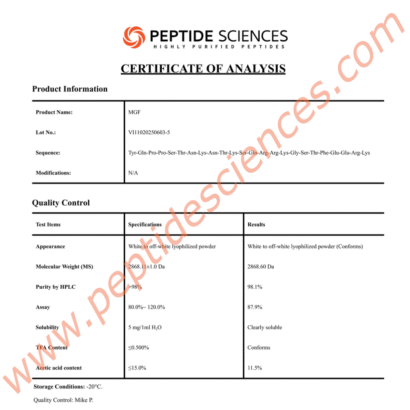
High-quality IGF 1 LR3 products typically exhibit purity ≥95% by SDS-PAGE, with endotoxin levels <1 EU/μg. Biological activity is confirmed through cell proliferation assays, with ED50 values typically ranging from ≤0.5 to 2.0 ng/mL.
IGF 1 LR3 is supplied as a lyophilized powder and should be stored at -20°C to -80°C. Lyophilized protein is stable for up to one year under these conditions. Upon reconstitution under sterile conditions, the product is stable for one month at 2-8°C. Repeated freeze-thaw cycles should be avoided.
| Choose | 1mg – Vial, 100mcg Capsules |
|---|---|
| Quantity | 1 Vial, 2 Vials, 5 Vials, 1 Box, 2 Box, 5 Box |