Currently Empty: £0.00

Call Us:
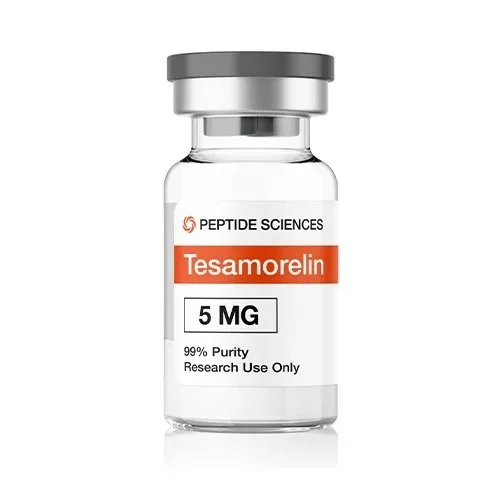
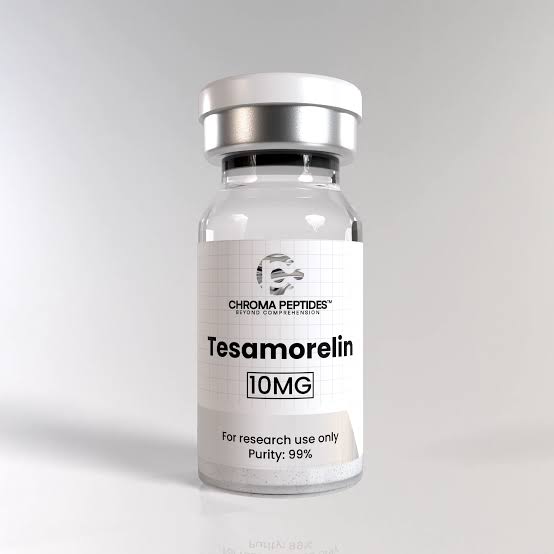
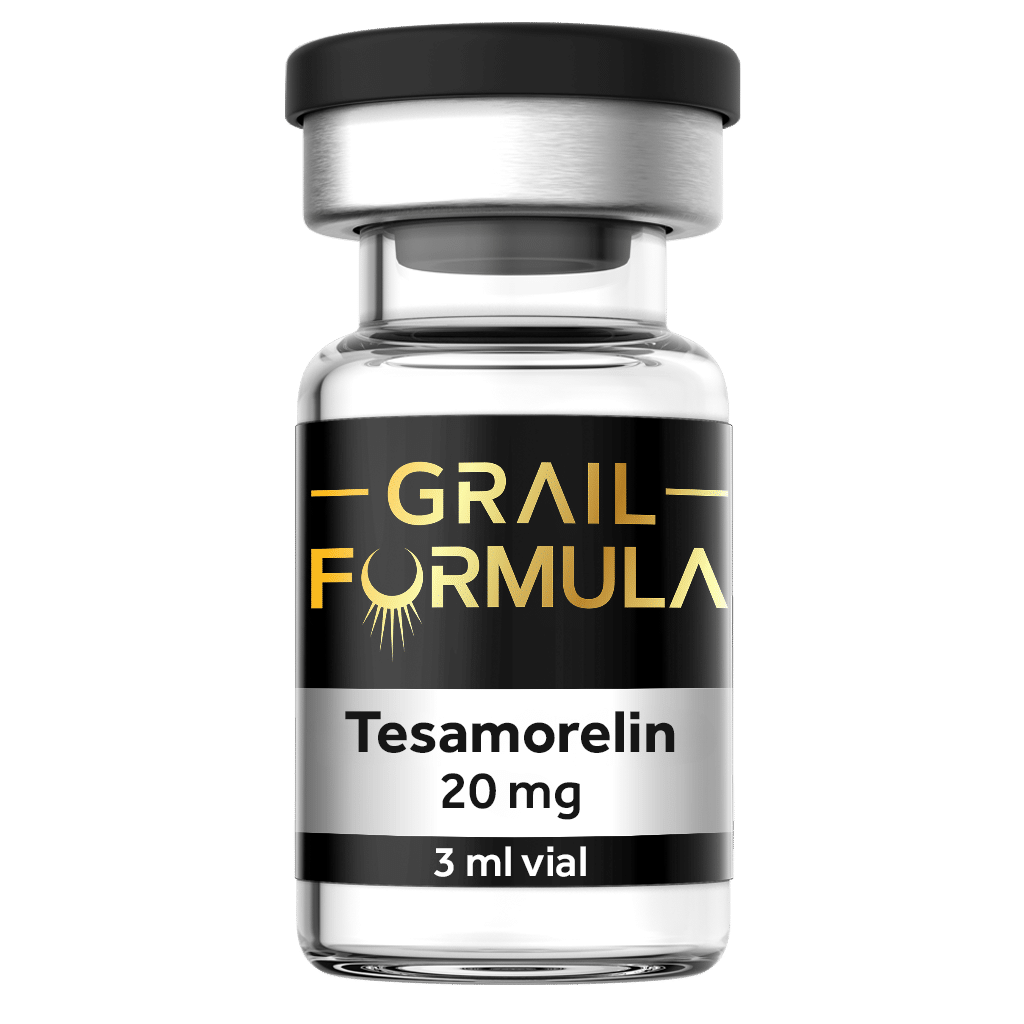

Tesamorelin stands as a unique and valuable therapeutic option for HIV-infected patients struggling with lipodystrophy-associated abdominal fat accumulation. Its targeted mechanism of action, which stimulates the body’s natural growth hormone production in a physiological pulsatile manner, offers a sophisticated approach to reducing dangerous visceral adipose tissue while preserving lean muscle mass.
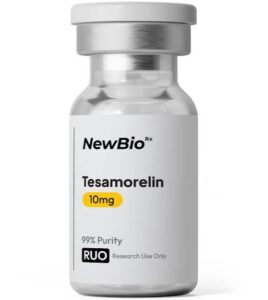
Price range: £75.00 through £650.00
Tesamorelin is a groundbreaking, FDA-approved therapeutic peptide that represents the first and only treatment specifically indicated for the reduction of excess abdominal fat in HIV-infected adult patients with lipodystrophy. Marketed under the brand names Egrifta, Egrifta SV, and Egrifta WR, this synthetic analog of human growth hormone-releasing hormone (GHRH) offers a targeted approach to managing one of the most challenging and distressing side effects of long-term HIV antiretroviral therapy.

Tesamorelin is a synthetic 44-amino-acid peptide analog of human growth hormone-releasing hormone (GHRH). It is a stabilized version of the naturally occurring hypothalamic peptide that signals the pituitary gland to produce and release growth hormone (GH). The peptide is produced synthetically and features a specific modification—a trans-3-hexenoyl group attached to its N-terminal tyrosine residue.
This structural alteration confers resistance to enzymatic degradation by dipeptidyl peptidase-4 (DPP-4), extending its half-life to approximately 26–38 minutes and ensuring sustained biological activity. As an acetate salt, it offers improved solubility, stability, and consistency for pharmaceutical formulation.
Crucially, tesamorelin is not growth hormone itself; rather, it is a secretagogue—a substance that stimulates the body to produce its own GH. This distinction is important because it preserves the natural pulsatile rhythm of GH secretion, which is characterized by periodic bursts of release, primarily during sleep. This pulsatility is believed to be critical for the hormone’s beneficial effects while potentially mitigating some of the side effects associated with the continuous high levels seen with direct injections of recombinant human growth hormone.
The therapeutic effects of tesamorelin are mediated through the growth hormone axis. Following subcutaneous injection, tesamorelin travels through the bloodstream to the anterior pituitary gland. There, it binds with high affinity to specific GHRH receptors on the surface of pituitary somatotroph cells, stimulating the synthesis and pulsatile release of endogenous growth hormone.
The released growth hormone then travels to the liver and other target tissues, where it stimulates the production and secretion of insulin-like growth factor-1 (IGF-1). IGF-1 is a primary mediator of many of GH’s anabolic effects, including tissue growth and repair. GH also exerts direct effects by interacting with specific receptors on a variety of target cells, including chondrocytes, osteoblasts, myocytes, hepatocytes, and adipocytes.
This cascade promotes the targeted reduction of visceral adipose tissue (VAT), improves lipid profiles, and supports metabolic homeostasis without disrupting natural GH feedback loops. In vitro studies have demonstrated that tesamorelin binds and stimulates human GHRH receptors with similar potency to endogenous GHRH.
Tesamorelin has been rigorously evaluated in Phase III clinical trials and received initial FDA approval in 2010. In a pooled analysis of 806 participants across two Phase III trials, tesamorelin reduced visceral adipose tissue by approximately 15.4% versus placebo at 26 weeks (p<0.001). Treatment with tesamorelin has been shown to be effective in improving visceral adiposity and body image in patients with HIV-associated lipodystrophy over 26 to 52 weeks of treatment.
Beyond visceral fat reduction, clinical research has demonstrated that tesamorelin improves overall body composition, reduces hepatic fat, and increases lean body mass and IGF-1 levels, without serious side effects or perturbation of glucose.
In a follow-up study involving 152 elderly participants, tesamorelin administration reduced body fat by 7.4% (p<0.001) and increased lean muscle mass by 3.7% (p<0.001). Emerging research also suggests potential cognitive benefits, with one study showing improved cognition in patients with mild cognitive impairment. However, it is important to note that tesamorelin is not indicated for weight loss management and should not be used to treat obesity.
Tesamorelin is available in two formulations: Egrifta SV and Egrifta WR. These formulations have differences in dosage, the number of vials required to prepare a dose, reconstitution instructions, and storage requirements, and they are not substitutable.
Egrifta SV: The recommended dose is 1.4 mg (0.35 mL of the reconstituted solution) injected subcutaneously once daily. Egrifta SV is supplied as a 2 mg lyophilized powder in a single-dose vial, which must be reconstituted daily with the provided Sterile Water for Injection.
Egrifta WR: This newer formulation, FDA-approved on March 25, 2025, requires less than half the administration volume of Egrifta SV and only needs weekly reconstitution.
For either formulation, the injection should be administered subcutaneously into the abdomen, with rotation of injection sites. Reconstitution involves rolling the vial gently in the hands for 30 seconds (do not shake), and the solution should be clear, colorless, and without particulate matter before administration.

As with any prescription medication, tesamorelin is associated with potential side effects and requires careful monitoring. The most commonly reported adverse reactions (occurring in more than 5% of patients) include arthralgia (joint pain), injection site reactions (erythema, pruritus), pain in extremity, peripheral edema, and myalgia (muscle pain).
Serious warnings and precautions include:
· Increased risk of neoplasms: Preexisting malignancy should be inactive and its treatment complete prior to starting therapy.
· Elevated IGF-1: Tesamorelin stimulates GH production and increases serum IGF-1. The effects of prolonged elevations are unknown, and IGF-1 levels should be monitored during therapy.
· Fluid retention: May occur, including edema, arthralgia, and carpal tunnel syndrome.
· Glucose intolerance or diabetes mellitus: May develop with use; glucose levels should be evaluated prior to and during therapy.
· Hypersensitivity reactions: Have occurred in clinical trials.
Tesamorelin 10mg is contraindicated in patients with disruption of the hypothalamic-pituitary axis, active malignancy, known hypersensitivity to tesamorelin or its excipients, and during pregnancy.
With robust clinical data supporting its efficacy and a manageable safety profile, tesamorelin continues to be the only FDA-approved treatment for this specific indication. However, it requires careful patient selection, appropriate monitoring, and should be used under the guidance of a qualified healthcare professional.
| Dosage | 5mg, 10mg, 20mg |
|---|---|
| Quantity | 1 Vial, 2 Vials, 5 Vials |