Currently Empty: £0.00

Call Us:
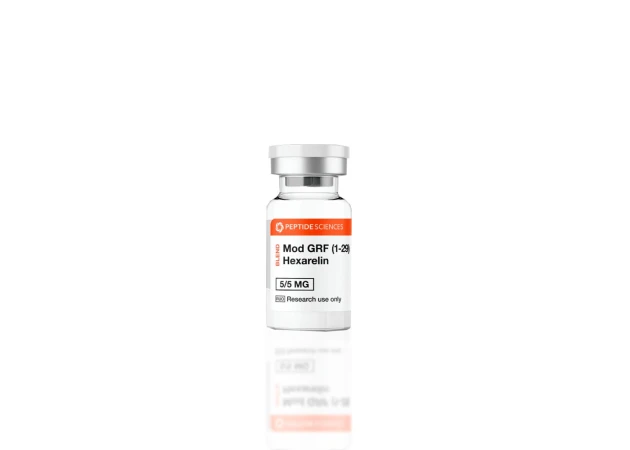

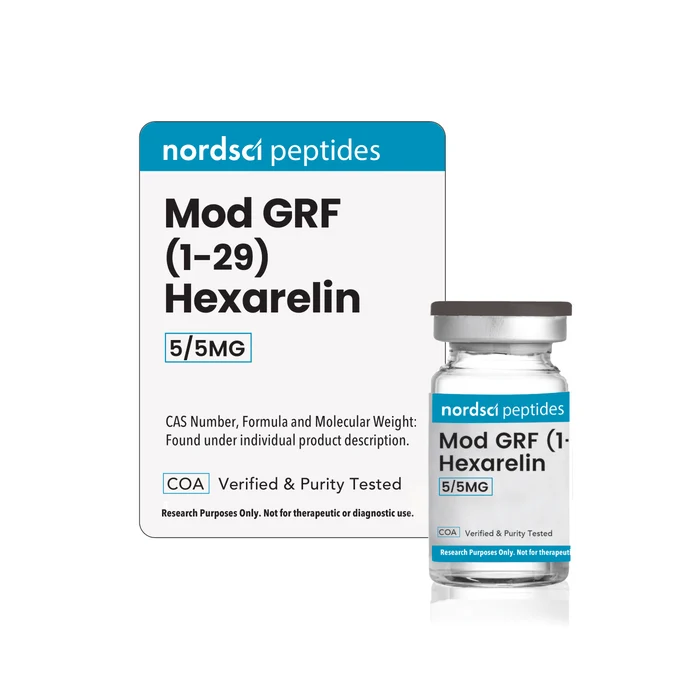
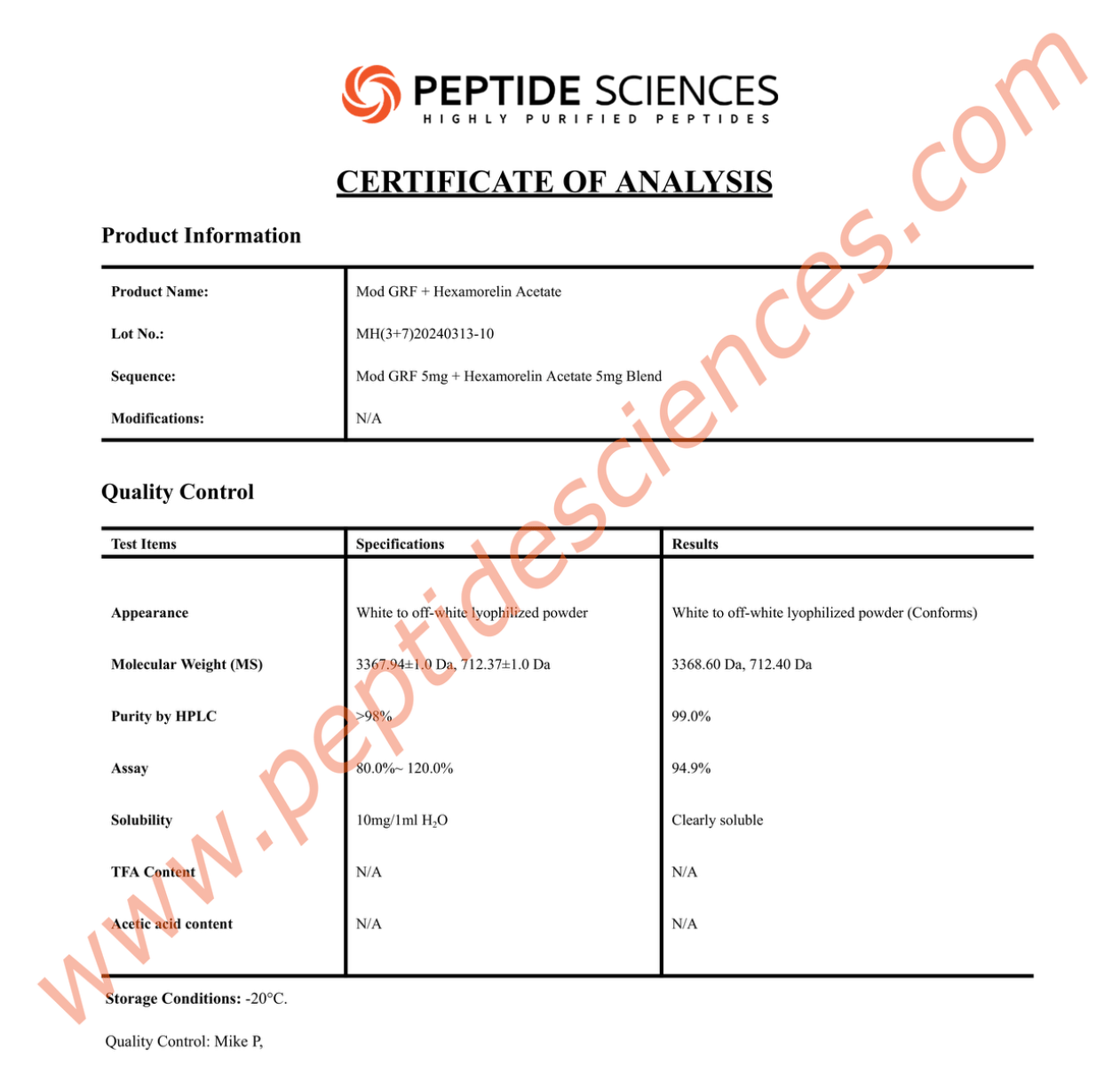
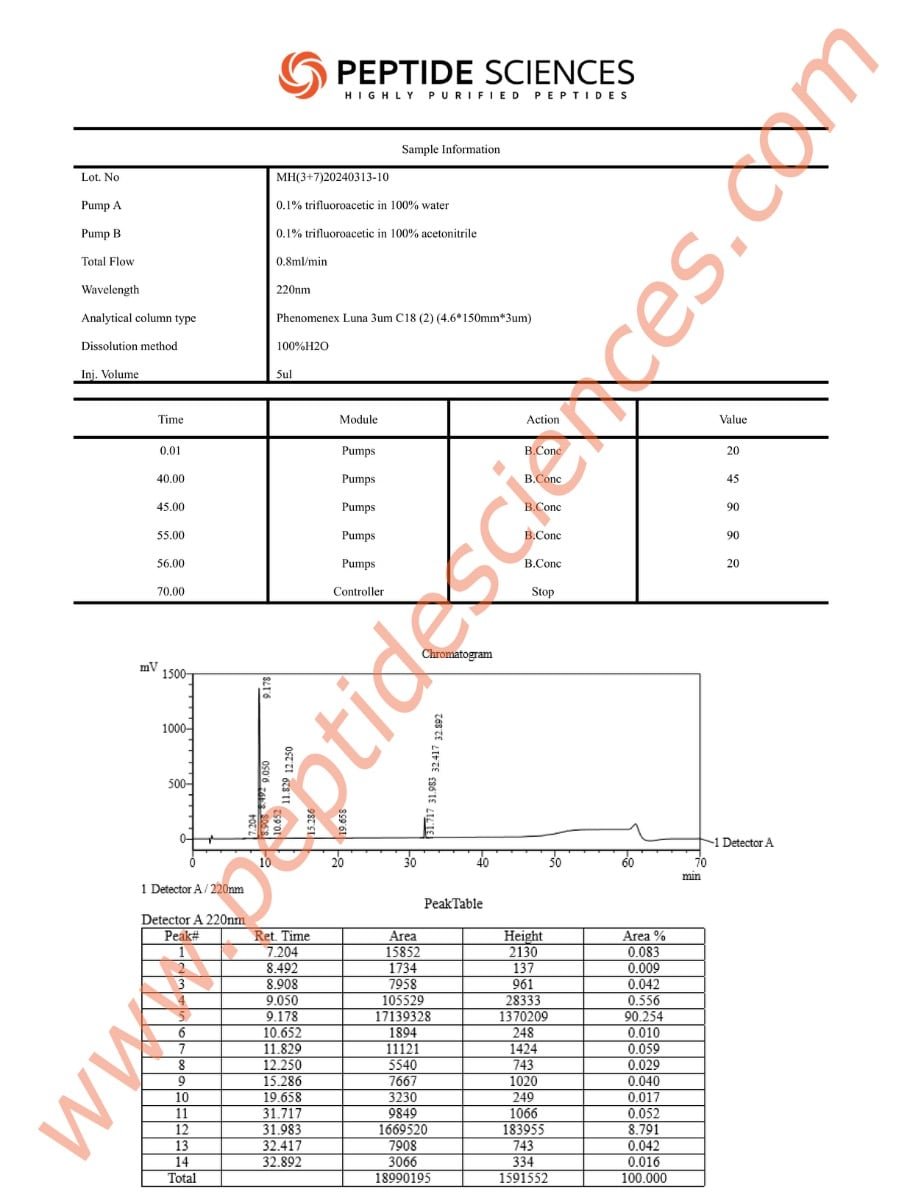
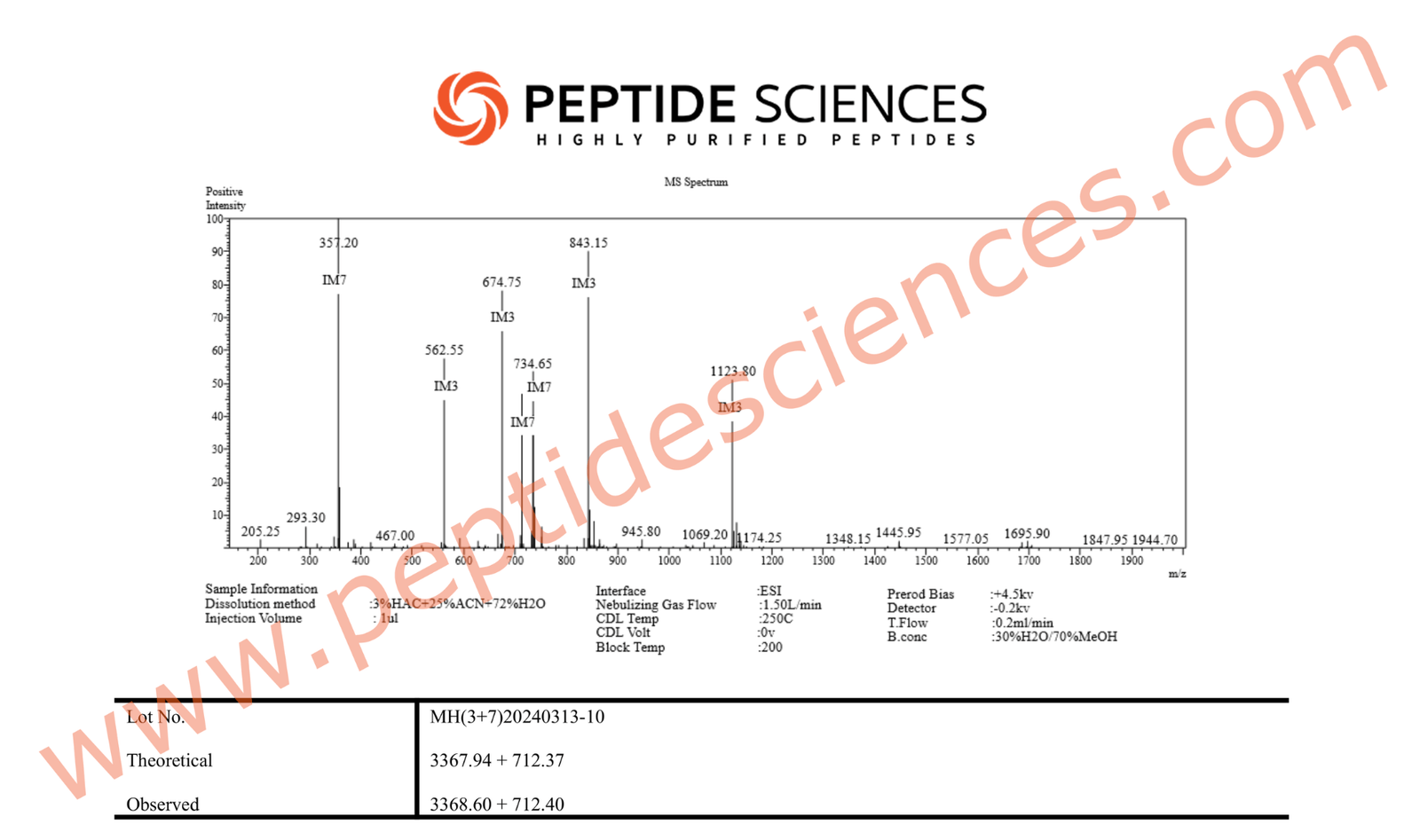

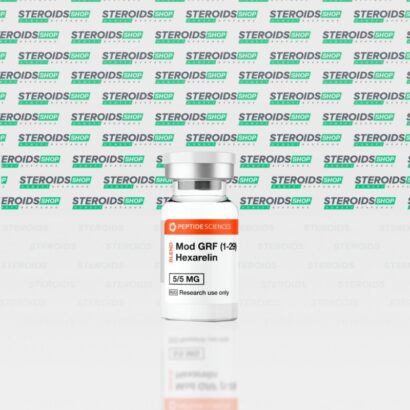


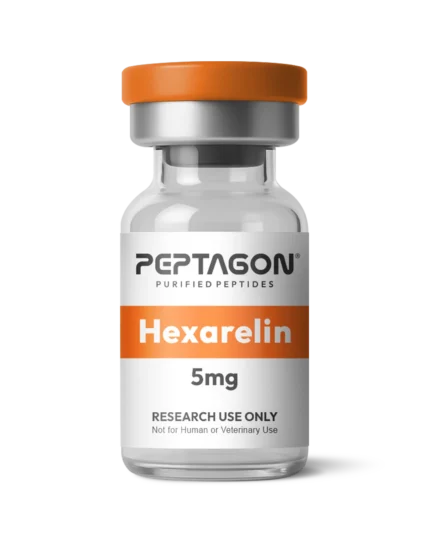
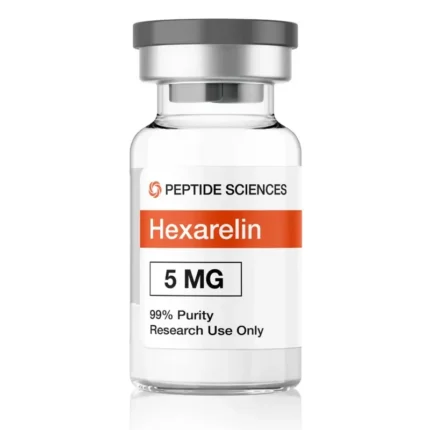
Mod GRF 1-29 and Hexarelin represent two of the most potent and well-characterized peptide-based GH secretagogues available for research purposes. Mod GRF 1-29, with its four amino acid substitutions conferring resistance to enzymatic degradation, provides a short-acting, pulsatile GHRH analog that preserves the body’s natural GH rhythm while avoiding significant desensitization. Hexarelin, the most potent GHRP by raw GH output, offers unparalleled acute GH-releasing capacity but is limited by rapid receptor desensitization that necessitates short cycling.
Price range: £85.00 through £610.00
In the evolving landscape of Mod GRF 1-29 And Hexarelin therapeutics and research, few compounds have garnered as much attention as growth hormone (GH) secretagogues. Among these, Mod GRF 1-29 (Modified Growth Hormone Releasing Factor 1-29, also known as CJC-1295 without DAC) and Hexarelin (Examorelin) stand out as two of the most potent and well-studied agents for stimulating endogenous growth hormone release.
While both compounds ultimately serve to amplify the body’s natural GH output, they achieve this through fundamentally different mechanisms, exhibit distinct pharmacological profiles, and carry unique advantages and limitations that researchers and clinicians must carefully consider.

This comprehensive review examines the chemistry, mechanisms of action, clinical evidence, dosing protocols, safety profiles, and synergistic potential of Mod GRF 1-29 and Hexarelin, providing a thorough understanding of these two important peptides within the broader context of GH axis modulation.
Chemical Structure and Development
Hexarelin Mod GRF is a synthetic peptide analog of the biologically active N-terminal 29-amino-acid fragment of human growth hormone-releasing hormone (GHRH). The native GHRH is a 44-amino-acid peptide produced by the hypothalamus that serves as the primary physiological stimulus for GH secretion from pituitary somatotroph cells. Researchers discovered in the 1980s that the full biological activity of GHRH resides in its first 29 amino acids, designated GRF(1-29) or sermorelin.
However, native GRF(1-29) is rapidly cleaved by the enzyme dipeptidyl peptidase-IV (DPP-IV) at the Ala2-Asp3 bond, producing an inactive fragment and limiting its plasma half-life to approximately 5–7 minutes. This rapid degradation severely limited the clinical utility of unmodified GHRH peptides.
To overcome this limitation, researchers introduced four strategic amino acid substitutions into the GRF(1-29) backbone:
· Position 2: Alanine substituted with D-Alanine
· Position 8: Asparagine substituted with Glutamine
· Position 15: Glycine substituted with Alanine
· Position 27: Methionine substituted with Leucine
These substitutions were specifically designed to resist DPP-IV cleavage and improve metabolic stability without altering receptor binding affinity. The resulting peptide — known as tetrasubstituted GRF(1-29) or Mod GRF 1-29 — retains full agonist activity at the GHRH receptor while exhibiting a plasma half-life of approximately 30 minutes, roughly a four- to five-fold improvement over native sermorelin.
Hexarelin Mod GRF activates the GHRH receptor (GHRHR), a G protein-coupled receptor expressed on somatotroph cells of the anterior pituitary. This activation triggers a well-characterized intracellular signaling cascade: the Gs-adenylyl cyclase-cAMP-protein kinase A (PKA) pathway, which stimulates both GH synthesis and secretion from pituitary somatotrophs.
A critical distinction of Mod GRF 1-29 compared to its DAC-containing counterpart is its preservation of pulsatile GH release. Due to its ~30-minute half-life, Mod GRF 1-29 produces a single discrete GH pulse peaking at approximately 30–60 minutes post-injection. This more closely mimics the body’s natural GH secretion pattern, where hypothalamic GHRH is released in pulses alternating with somatostatin, producing 6–12 GH secretory episodes per day.
This pulsatile pattern is believed to better preserve somatotroph sensitivity and avoid the desensitization that can occur with continuous GH stimulation. Importantly, this stimulation preserves the body’s natural negative feedback regulation through IGF-1 and somatostatin, avoiding the supraphysiological, continuous GH elevation associated with exogenous recombinant GH administration.
Clinical studies with GHRH analogs have demonstrated significant increases in GH pulse amplitude, circulating IGF-1 levels, lean body mass, and reductions in visceral adiposity. Published Phase 1 and Phase 2 human trials, including studies in The Journal of Clinical Endocrinology and Metabolism, have demonstrated that even low weekly doses of CJC-1295 (the DAC-containing parent compound) produce dose-dependent, sustained increases in both GH and IGF-1 levels in healthy adults, with no observed desensitization of the pituitary gland over time.
The related compound tesamorelin (Egrifta), which is also a modified GRF analog, received FDA approval in 2010 for the reduction of excess abdominal fat in HIV-associated lipodystrophy. While Mod GRF 1-29 itself has not been the subject of dedicated Phase 3 clinical trials as a standalone compound, the extensive research on GHRH analogs provides a strong foundation for understanding its pharmacological effects.
Documented benefits associated with GHRH analog therapy include:
· Body composition improvements: Elevated GH levels increase lipolysis (fat breakdown) while preserving lean muscle mass
· Enhanced sleep quality: GH secretion is tightly coupled to deep, slow-wave sleep
· Improved recovery and tissue repair: GH is a primary driver of cellular repair and regeneration
· Anti-aging and metabolic benefits: IGF-1 plays roles in cognitive function, skin quality, bone density, and overall metabolic efficiency
Mod GRF 1-19 is administered via subcutaneous injection. Standard research protocols typically employ:
· Starting dose: 100 mcg once daily
· Standard dose: 100–200 mcg, 1–3 times daily
· Maximum dose: 300 mcg, up to 3 times daily
· Cycle length: Typically 8–12 weeks
Optimal administration timing includes:
· Before sleep (to amplify the nocturnal GH surge)
· Upon waking
· Optionally mid-afternoon or post-workout
A critical protocol requirement is administration on an empty stomach — at least 2–3 hours post-meal — as nutrients, particularly carbohydrates and fats, may blunt GH output.
Side effects of Mod GRF 1 29 And Hexarelin are generally mild and may include:
· Injection site reactions (pain, irritation)
· Facial flushing and warmth
· Transient headache
· Mild water retention and bloating, especially early in the protocol
Importantly, the short half-life of Mod GRF 1 29 And Hexarelin is also a safety advantage, as any adverse effects resolve rapidly upon discontinuation. Long-term safety and efficacy in healthy adults remain areas of ongoing investigation. Theoretical risks with chronic GH stimulation include insulin resistance, cancer promotion (in susceptible individuals), and musculoskeletal effects.
Chemical Structure and Development
Mod GRF 1 29 And Hexarelin (chemical name: His-D-2-methyl-Trp-Ala-Trp-D-Phe-Lys-NH2) is a synthetic hexapeptide — a chain of just six amino acids — that belongs to the growth hormone releasing peptide (GHRP) family. It was first synthesized in the early 1990s by researchers seeking more potent and selective stimulators of endogenous growth hormone secretion.
Among the GHRPs developed during that period — including GHRP-6, GHRP-2, and ipamorelin — hexarelin emerged as the most powerful stimulator of GH release on a per-microgram basis. It is considered the most potent GHRP by raw GH output, producing larger GH pulses than GHRP-2, GHRP-6, or ipamorelin at equivalent doses.
Mod GRF 1 29 And Hexarelin works by mimicking the natural hormone ghrelin, binding to the growth hormone secretagogue receptor type 1a (GHSR-1a) in the hypothalamus and pituitary gland. This triggers a downstream phospholipase C signaling cascade that elevates intracellular calcium and stimulates pituitary somatotrophs to release growth hormone.
The mechanism mirrors other GHRPs but at greater potency: hexarelin produces a larger GH pulse per unit dose than GHRP-2, GHRP-6, or ipamorelin. At the hypothalamic level, hexarelin also stimulates GHRH release and suppresses somatostatin, contributing to the amplified GH response.
Critically, hexarelin acts through a different receptor and signaling cascade than GHRH analogs like Mod GRF 1-29. While Mod GRF 1-29 works through the GHRH receptor (GHRHR) and the cAMP/PKA pathway, hexarelin signals through GHS-R1a via phospholipase C and intracellular calcium mobilization. This mechanistic distinction is the foundation for their powerful synergy when used together.
What distinguishes hexarelin from other GHRPs is its dual pharmacological profile. Beyond its potent GH-releasing effects, hexarelin has demonstrated significant cardioprotective properties in both animal and human studies. These cardiac effects include:
· Protection against ischemia-reperfusion injury
· Anti-fibrotic activity
· Improvement of cardiac function in heart failure models
These effects appear to be mediated through cardiac receptors (CD36 and GHSR-1a expressed in cardiac tissue) rather than through systemic GH elevation. Studies have shown hexarelin reduces infarct size by 25–40% in ischemia-reperfusion models. This makes hexarelin uniquely interesting among GHRPs from a cardiovascular research perspective.
Mod GRF 1-29 And Hexarelin has been the subject of multiple Phase I/II human trials. Key findings from the clinical literature include:
Potency relative to GHRH: The maximal effective dose of hexarelin releases more GH than the maximal effective dose of GHRH in both normal young and elderly subjects. In one study, hexarelin demonstrated greater GH releasing capacity than GHRH 1-29 at 1 microgram/kg intravenously.
Age-related response: The effect of hexarelin on GH secretion is age-dependent, with young subjects showing significantly greater responses than elderly subjects. However, arginine (which inhibits somatostatin release) can restore the blunted GH-releasing activity of hexarelin in elderly subjects.
No desensitization with intermittent use: Chronic but intermittent treatment with hexarelin, administered either by intranasal or oral route, does not desensitize the GH response to the peptide.
Effects on sleep: Mod GRF 1-29 And Hexarelin decreases slow-wave sleep while stimulating the secretion of GH, ACTH, cortisol, and prolactin during sleep in healthy volunteers.
Mod GRF 1-29 And Hexarelin is administered via subcutaneous injection (intravenous in research settings). Typical research protocols recommend:
· Dose: 100–200 mcg per injection
· Frequency: 1–2 times daily on an empty stomach
· Cycle length: 4–8 weeks maximum, followed by at least 4 weeks off for receptor recovery
Human studies have used intravenous doses of 0.5, 1, and 2 mcg/kg body weight, finding hexarelin well tolerated in all subjects. Intranasal administration of 1.25 mg (approximately 18 mcg/kg) three times daily and oral administration of 20 mg (approximately 300 mcg/kg) three times daily have also been studied.
The most significant practical limitation of hexarelin is receptor desensitization (tachyphylaxis). With continuous daily use beyond approximately 4–8 weeks, the GH response to hexarelin progressively diminishes.
This desensitization occurs through homologous desensitization, a process common to many GPCRs. Upon activation by hexarelin, the intracellular domains of the GHSR are phosphorylated by G protein-coupled receptor kinases (GRKs), leading to receptor internalization and downregulation. Marked desensitization of the calcium response to hexarelin can be observed within 2–5 minutes after the first dose in vitro.
The desensitization problem is central to hexarelin’s pharmacology. GHS-R1a undergoes receptor internalization and downregulation with repeated agonist exposure — a process that occurs with all GHRPs but proceeds faster with hexarelin due to its high potency and receptor binding kinetics. Published data show that daily hexarelin administration produces measurable attenuation of the GH response within 2 to 4 weeks.
This is why hexarelin protocols are typically limited to short 4- to 8-week cycles with mandatory recovery periods. Unlike Mod GRF 1-29, which can be used for longer durations without significant desensitization, hexarelin requires cycling on and off to maintain efficacy.
Hexarelin shares many of the common side effects of GHRPs but has some unique considerations:
· Injection site reactions: Pain, redness, irritation
· Facial flushing and warmth: Transient vasodilation
· Headache: Particularly with initial doses
· Water retention: More pronounced than with some other GHRPs
Notably, Mod GRF 1-29 And Hexarelin produces the most pronounced cortisol and prolactin elevation among the GHRP class. While these elevations are generally transient and within physiological ranges, this is an important consideration for certain populations and protocols. Unlike GHRP-6, hexarelin does not significantly stimulate appetite.
Rationale for Combination Therapy
The combination of Mod GRF 1-29 and Hexarelin represents one of the most potent peptide-based approaches for stimulating endogenous GH production. The scientific rationale is compelling and rooted in the complementary mechanisms of the two compounds:
· Mod GRF 1-29 And Hexarelin activates the GHRH receptor (GHRHR) → Gs-adenylyl cyclase → cAMP → PKA pathway
· Hexarelin activates the ghrelin receptor (GHSR-1a) → phospholipase C → intracellular calcium mobilization
When both pathways are activated simultaneously, the GH output is synergistically amplified — far exceeding the sum of either stimulus alone. This synergism has been demonstrated in both in vitro and in vivo studies.
In cultured human pituitary somatotrophinomas, hexarelin potentiated the stimulatory effects of GHRH. The combination of hexarelin and GHRH produces GH responses significantly higher than either agent alone in both young and elderly subjects.
When combining Mod GRF 1-29 and Hexarelin, standard research protocols typically involve:
· Dose: 100 mcg of each per injection
· Frequency: 2–3 times daily
· Timing: Upon waking, post-workout or mid-afternoon, and before bed
· Administration: Co-injected subcutaneously
· Condition: Empty stomach (2–3 hours post-meal)
The combination is most effective when timed to coincide with natural GH pulses — particularly the nocturnal surge that occurs during deep sleep.
Several critical considerations apply to the Mod GRF 1-29 And Hexarelin combination:
1. Hexarelin’s desensitization limits cycle length: While Mod GRF 1-29 And Hexarelin can be used for extended periods, hexarelin’s rapid receptor desensitization limits combination cycles to 4–8 weeks. Longer protocols should either cycle hexarelin on and off or substitute a less desensitizing GHRP like ipamorelin.
2. Cortisol and prolactin effects: Hexarelin elevates cortisol and prolactin more than other GHRPs. While these elevations are generally transient, users should be aware of this effect, particularly those with pre-existing conditions affected by these hormones.
3. Not all GHRP combinations are synergistic: Combining two GHRPs (e.g., Hexarelin with Ipamorelin) does not produce synergy, as both act through the same receptor pathway. The synergy specifically requires one GHRH analog (like Mod GRF 1-29) and one GHRP (like Hexarelin).
Mod GRF 1-29 vs. Hexarelin
Feature Mod GRF 1-29 Hexarelin
Class GHRH analog GHRP (ghrelin mimetic)
Target receptor GHRHR GHSR-1a
Signaling pathway Gs-adenylyl cyclase-cAMP-PKA PLC-intracellular calcium
Half-life ~30 minutes ~70 minutes
Potency Moderate Highest among GHRPs
Desensitization Minimal with pulsatile use Rapid and significant
Max cycle length 8–12+ weeks 4–8 weeks
Cortisol/Prolactin effect None Modest elevation
Cardioprotective effects No Yes (GH-independent)
Choosing Between the Two
The choice between Mod GRF 1-29 and Hexarelin — and whether to use them in combination — depends on the specific goals and constraints of the protocol:
· For sustained, long-term GH optimization: Mod GRF 1-29 And Hexarelin is preferred due to its lack of significant desensitization and its physiological pulsatile release pattern. It is often paired with ipamorelin (a more selective, less desensitizing GHRP) for extended protocols.
· For maximum short-term GH output: Hexarelin is unmatched in its acute GH-releasing potency. When maximum GH exposure over a short window is the goal, hexarelin is the compound of choice.
· For synergistic amplification: The combination of Mod GRF 1-29 and Hexarelin produces the most potent GH response available through peptide-based approaches, leveraging the complementary pathways for synergistic effect
· For cardiovascular research applications: Mod GRF 1-29 And Hexarelin unique cardioprotective properties, mediated through CD36 receptors independent of GH, make it the compound of interest for cardiac applications.
Regulatory Status
Mod GRF 1 29 And Hexarelin is FDA-approved for therapeutic use. Mod GRF 1-29 is classified as an investigational research peptide, while Hexarelin has no approved indication in any major jurisdiction. Both compounds are available only for research purposes and are not approved for human therapeutic use.
The related GHRH analog sermorelin (Geref) was FDA-approved in 1997 for diagnostic use but was later withdrawn from the market. Tesamorelin (Egrifta) received FDA approval in 2010 for HIV-associated lipodystrophy, but this does not extend to Mod GRF 1-29 or Hexarelin.
Both compounds present moderate risk profiles with chronic use. Key safety considerations include:
GH/IGF-1 elevation risks: Repeated GH stimulation carries theoretical risks of insulin resistance, cancer promotion (in susceptible individuals with pre-existing malignancies), and musculoskeletal effects with chronic use.
Water retention and joint effects: Water retention, joint stiffness, and numbness or tingling in extremities have been reported.
Injection-related risks: As with any injectable peptide, there are risks of injection site reactions, infection, and contamination if proper sterile technique is not followed.
Drug interactions: The effects of these peptides on glucose metabolism mean that individuals with diabetes or prediabetes should exercise particular caution.
The use of these peptides outside of clinical trials raises significant ethical and safety concerns. The gap between clinical evidence and patient self-administration is substantial, and users should be aware that:
· Long-term safety data in healthy populations are limited
· Dosing protocols are based on research, not established clinical practice
· Quality control and purity of research-grade peptides are not regulated
· Individual responses vary significantly
Mod GRF 1-29 and Hexarelin represent two of the most potent and well-characterized peptide-based GH secretagogues available for research purposes. Mod GRF 1-29 And Hexarelin, with its four amino acid substitutions conferring resistance to enzymatic degradation, provides a short-acting, pulsatile GHRH analog that preserves the body’s natural GH rhythm while avoiding significant desensitization. Hexarelin, the most potent GHRP by raw GH output, offers unparalleled acute GH-releasing capacity but is limited by rapid receptor desensitization that necessitates short cycling.
When combined, these two compounds leverage complementary signaling pathways — GHRHR via cAMP/PKA and GHSR-1a via PLC/calcium — to produce synergistic GH release that far exceeds either agent alone. This combination represents the gold standard for peptide-based GH optimization in research settings, offering a physiological pulsatile release pattern that more closely mimics endogenous GH secretion than exogenous hormone administration.
However, both compounds remain investigational, not FDA-approved, and carry risks that must be carefully weighed against potential benefits. The desensitization profile of hexarelin, the long-term safety considerations of GH elevation, and the regulatory status of these peptides all underscore the importance of approaching their use with appropriate caution, scientific rigor, and respect for their status as research compounds rather than established therapeutics.
As research in this area continues to evolve, the distinct and complementary properties of Mod GRF 1 29 and Hexarelin will likely continue to make them valuable tools for understanding the complex physiology of the GH axis and exploring the therapeutic potential of endogenous GH modulation.
| Choose | 1 Vial, 2 Vials, 5 Vials, 10 Vials |
|---|