Currently Empty: £0.00

Call Us:
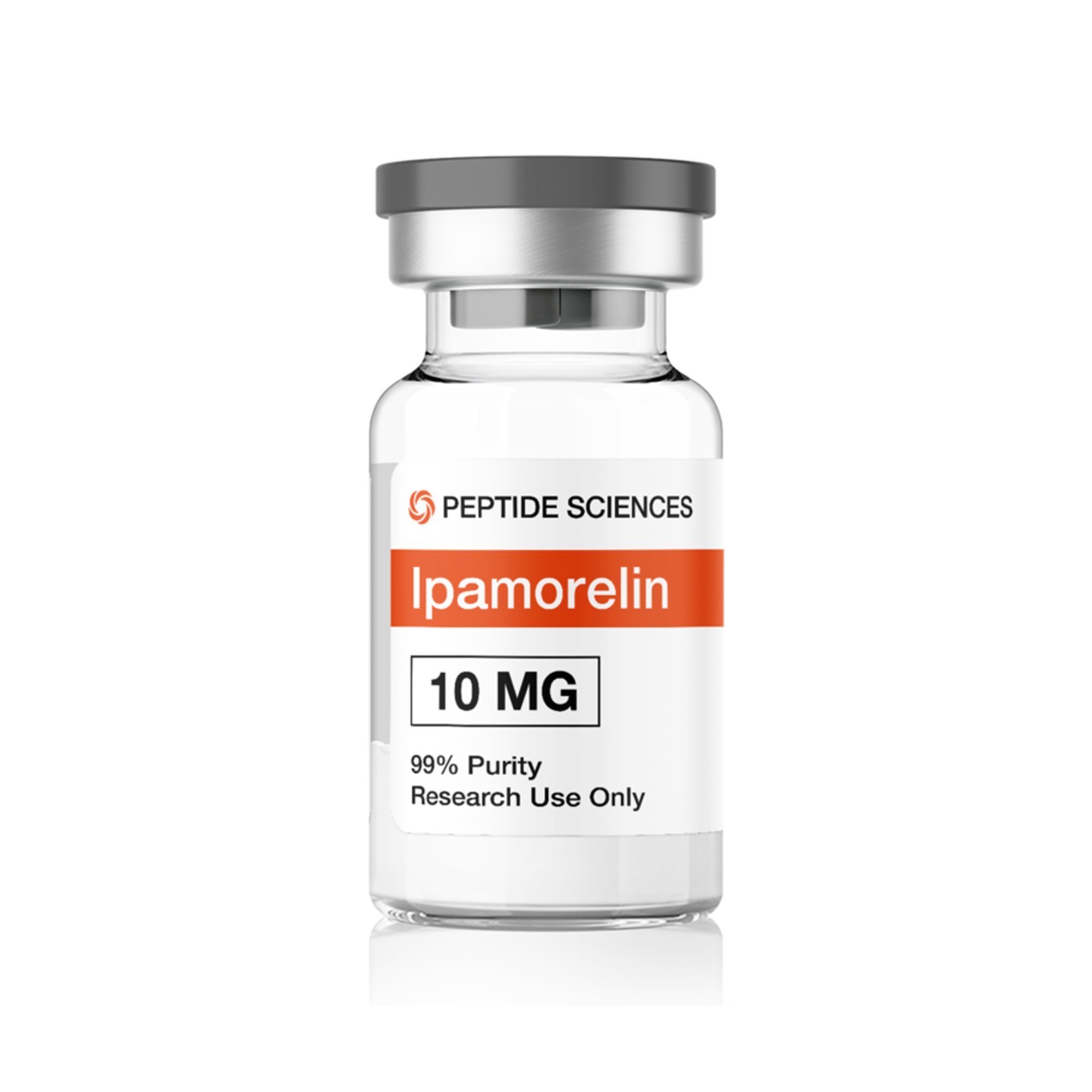
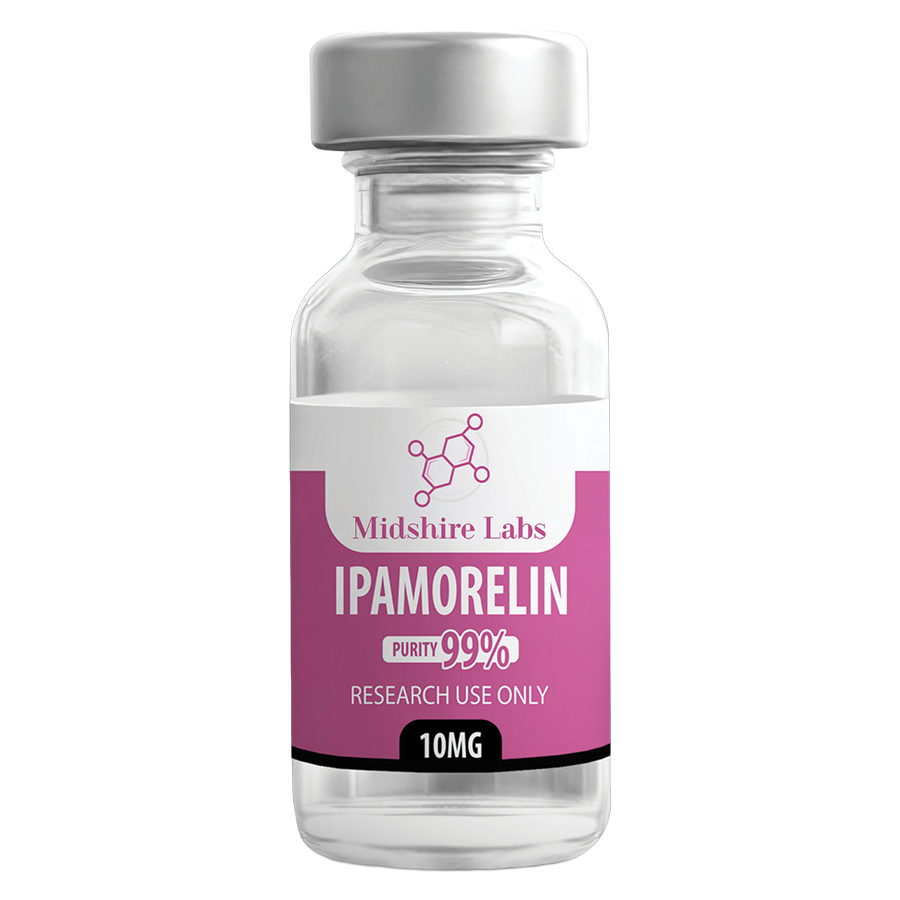
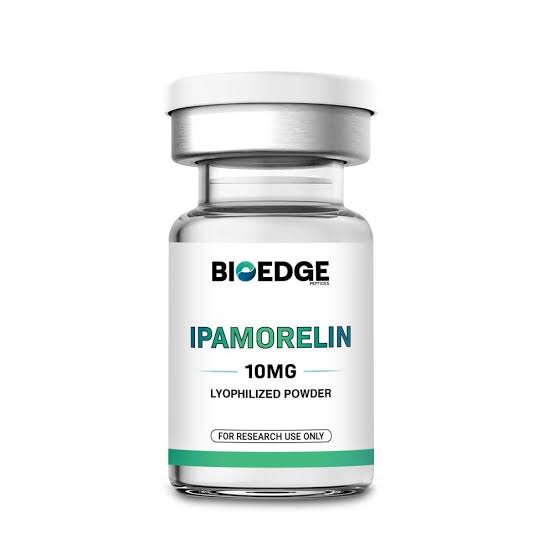




Ipamorelin represents a significant advancement in the class of growth hormone secretagogues, distinguished by its remarkable selectivity for GH release without concomitant elevations in cortisol, ACTH, or prolactin. Developed by Novo Nordisk in the late 1990s, this synthetic pentapeptide has attracted considerable interest for potential applications in muscle health, body composition, and anti-aging medicine.
Price range: £50.00 through £1,340.00
Ipamorelin UK is a synthetic peptide that has garnered significant attention in the fields of anti-aging medicine, sports performance, and metabolic health. As a selective growth hormone secretagogue, it offers a pharmacological profile that distinguishes it from earlier compounds in its class. This review provides a comprehensive examination of ipamorelin, covering its chemical structure, mechanism of action, clinical research history, potential applications, safety profile, and regulatory status.
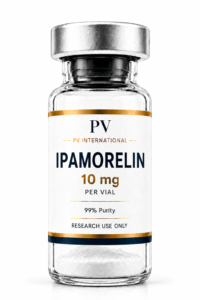
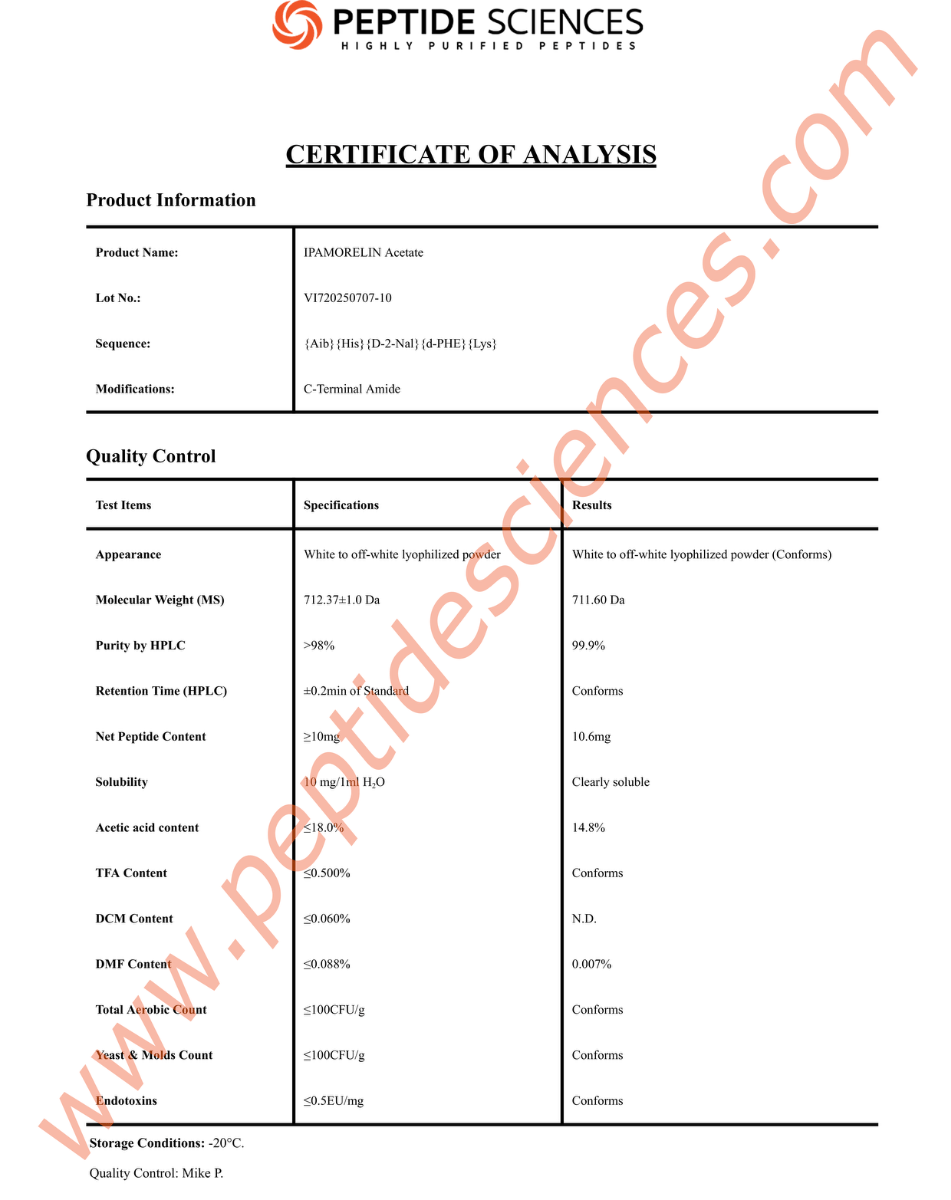
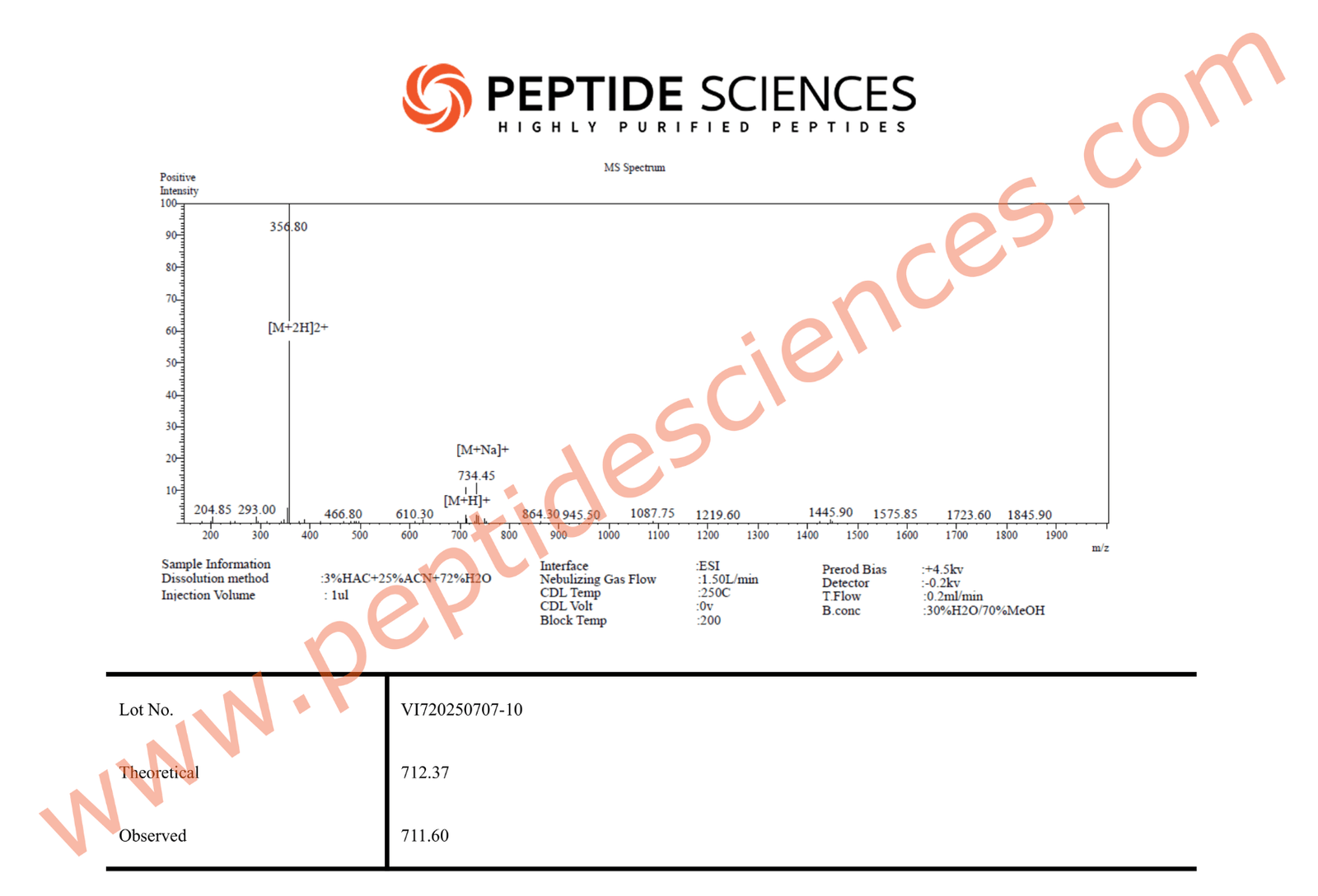
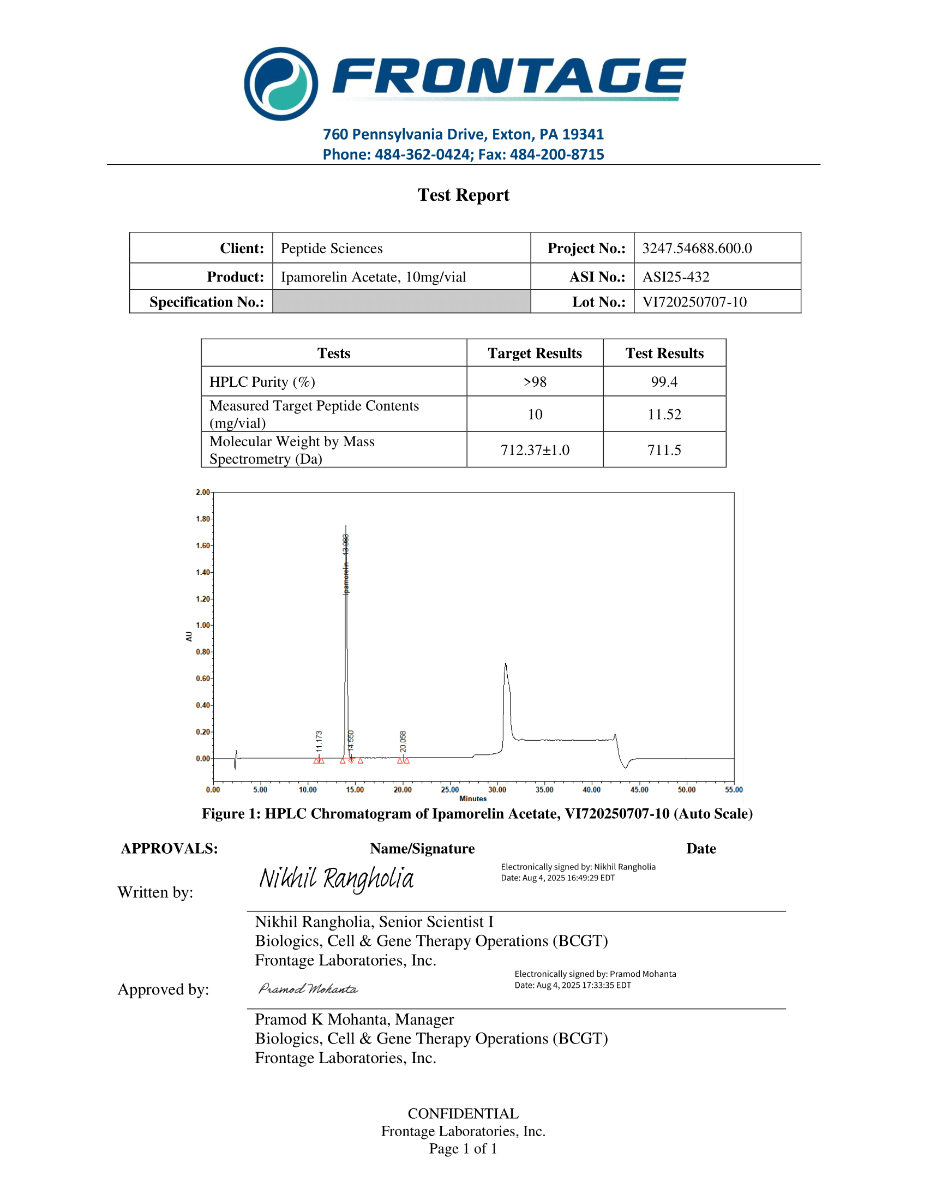
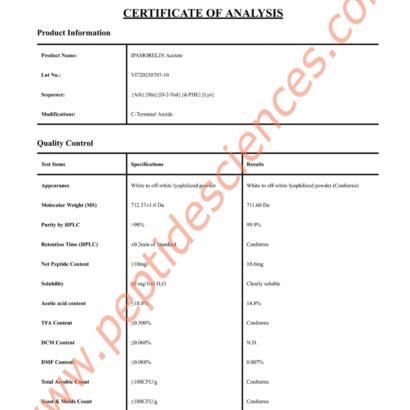
Ipamorelin is a synthetic pentapeptide consisting of five amino acids linked together in a specific sequence: Aib-His-D-2-Nal-D-Phe-Lys-NH2. Its molecular formula is C38H49N9O5 with a molecular weight of 711.853. The compound was developed by Novo Nordisk in Denmark during the late 1990s and was initially designated by the research code NNC 26-0161.
The peptide does not occur naturally in the body; it is an entirely synthetic molecule. It was derived from growth hormone releasing peptide 1 (GHRP-1) through a medicinal chemistry program aimed at identifying compounds with improved selectivity profiles. The structural modifications made to the original GHRP-1 scaffold resulted in a compound that retained potent GH-releasing activity while eliminating many of the undesirable off-target hormonal effects associated with earlier generation secretagogues.
Ipamorelin functions as a selective agonist of the growth hormone secretagogue receptor subtype 1a (GHS-R1a). This receptor is the same one activated by ghrelin, the endogenous peptide hormone often referred to as the “hunger hormone”. When ipamorelin binds to GHS-R1a receptors located on somatotroph cells in the anterior pituitary gland, it triggers the release of growth hormone in a pulsatile pattern.
What distinguishes ipamorelin from other growth hormone releasing peptides is its remarkable selectivity. The defining pharmacological advantage, established in a landmark 1998 study published in the European Journal of Endocrinology, is that ipamorelin stimulates GH release without elevating cortisol, ACTH, or prolactin. This three-way selectivity—GH stimulation without cortisol, prolactin, or ACTH elevation—established ipamorelin as the benchmark for GHS selectivity in the academic literature.
Earlier generation secretagogues such as GHRP-2 and GHRP-6, while effective at stimulating GH release, also produced secondary hormonal effects including meaningful elevations in cortisol and prolactin. These off-target effects complicated long-term use and raised safety concerns. In contrast, studies have shown that even at doses 500-fold above the ED50 for GH release, ipamorelin does not significantly affect plasma ACTH, cortisol, prolactin, FSH, or LH.
The GH release triggered by ipamorelin leads to increased levels of insulin-like growth factor 1 (IGF-1), which mediates many of the anabolic effects associated with growth hormone, including muscle protein synthesis and tissue repair. Published data suggests ipamorelin may increase IGF-1 levels by 15-30% in responder populations.
Ipamorelin is a peptide and is therefore rapidly cleared from circulation. A pharmacokinetic/pharmacodynamic modeling study conducted in human volunteers in 1999 characterized ipamorelin’s behavior and reported a short half-life of approximately two hours. This rapid clearance means the window of receptor activation is brief, which has implications for dosing protocols.
Importantly, the pulsatile GH release pattern generated by GHS-R1a agonism more closely resembles physiological secretion than continuous delivery of exogenous human growth hormone, which suppresses endogenous pituitary output entirely. This physiological pattern of release is considered advantageous for maintaining normal feedback mechanisms governing GH secretion.
Ipamorelin was developed by Novo Nordisk in Denmark during the late 1990s. The foundational research was published in 1998 by Raun, Hansen, and colleagues, who first described ipamorelin as “the first selective growth hormone secretagogue”. The compound emerged from a medicinal chemistry program aimed at identifying orally active or injectable growth hormone secretagogues with improved selectivity compared to earlier compounds.
The 1998 paper demonstrated that ipamorelin released GH in conscious swine with an ED50 of 2.3 ± 0.03 nmol/kg and an Emax of 65 ± 0.2 ng/mL plasma, at potency comparable to GHRP-6 but without the ACTH, cortisol, FSH, LH, prolactin, or TSH elevations seen with earlier GHRPs even at doses 200-fold above the GH-release ED50. A companion medicinal chemistry paper published that same year detailed the structure-activity relationship program and the new series of highly potent GH-releasing peptides derived from the ipamorelin scaffold.
Despite its popularity in clinical practice and wellness communities, rigorous human research on ipamorelin remains limited. The compound was introduced into a Phase II clinical trial for the treatment of intestinal pseudo-obstruction (postoperative ileus), but the results showed no significant difference compared to placebo, and therefore development was halted. This trial, identified as NCT01280344, was a Phase II double-blind placebo-controlled dose-finding study evaluating the safety and efficacy of ipamorelin for recovery of gastrointestinal function in patients following bowel resection.
While the primary endpoint results were mixed, the trial did confirm ipamorelin’s safety profile in a surgical population and demonstrated meaningful GH elevation. Importantly, as of mid-2025, ipamorelin has no completed Phase II or III human randomized controlled trials in any major registry for GH-related indications. Most of what is known about ipamorelin’s effects on muscle mass, body composition, and anti-aging outcomes comes from early-phase trials, compassionate use protocols, and extrapolation from similar peptides.
Muscle Health and Sarcopenia
Ipamorelin has been explored as a potential intervention for age-related muscle loss, or sarcopenia. After the age of 30, adults can lose as much as 3-8% of muscle mass per decade, driven in part by hormonal changes including decreases in growth hormone, testosterone, and IGF-1. By stimulating endogenous GH release and subsequent IGF-1 elevation, ipamorelin may help promote muscle protein synthesis and tissue repair.
Small clinical trials and observational studies have consistently indicated that GH secretagogues can increase lean mass and sometimes improve muscle strength in older adults. Studies also suggest greater benefit when peptide therapy is combined with resistance exercise and protein-rich diets.
Ipamorelin influences a number of anabolic processes including appetite regulation, fat processing, and overall energy usage. However, it is important to note that ipamorelin has been associated with the ability to stimulate food intake and body weight gain. One study noted that ipamorelin has significant adipogenic effects and causes significant weight gains early in treatment that stabilizes. This appetite stimulation, while less pronounced than with GHRP-6, may counteract weight-loss goals.
Ipamorelin represents a significant advancement in the class of growth hormone secretagogues, distinguished by its remarkable selectivity for GH release without concomitant elevations in cortisol, ACTH, or prolactin. Developed by Novo Nordisk in the late 1990s, this synthetic pentapeptide has attracted considerable interest for potential applications in muscle health, body composition, and anti-aging medicine.
However, the clinical evidence base for ipamorelin remains limited. Its sole Phase II human randomized controlled trial failed to meet its primary endpoint, and no completed human efficacy trials exist for GH-related indications. The compound is not FDA-approved for any indication, is prohibited by WADA, and carries potential risks including insulin resistance, appetite stimulation, and theoretical cancer concerns associated with IGF-1 elevation.
Ipamorelin is most commonly combined with CJC-1295 (a GHRH analog) to produce synergistic GH release through dual-pathway stimulation. The two peptides act on different receptors—CJC-1295 on the GHRH receptor and ipamorelin on the ghrelin receptor—and when administered together produce GH output substantially greater than either compound alone. This combination has become one of the most widely used peptide protocols in anti-aging medicine.
In murine models with glucocorticoid-induced muscle loss, CJC-1295 combined with ipamorelin showed significantly improved maximum tetanic tension, though these findings are limited to animal studies. No published human randomized controlled trials of the specific combination exist.
Common Side Effects
Ipamorelin generally demonstrates a favorable safety profile compared to earlier secretagogues and direct GH therapy. Reported side effects include:
· Headaches: Typically mild and most common during the first few weeks of use
· Nausea
· Rash
· Lower blood pressure
· Mild transient hunger: Significantly less appetite stimulation than GHRP-6
· Water retention and mild bloating: Particularly in the hands and feet, consistent with GH-class effects
· Tingling or numbness in extremities (paresthesia): More common at higher doses
· Transient facial flushing: Typically resolving within minutes
· Injection site irritation
Long-term use of peptides like ipamorelin carries high risk for long-term detrimental health consequences. More serious concerns include:
· Insulin sensitivity and diabetes: Long-term use can result in insulin resistance or diabetes
· Cancer risk: Elevated IGF-1 has been epidemiologically associated with certain cancers, though no ipamorelin-specific data exists and no clinical trial has demonstrated increased cancer incidence with GH secretagogues
· Carpal tunnel syndrome and edema: Associated with excess GH/IGF-1 over long periods
· Potential for addiction: Due to its primary mechanism as a ghrelin receptor agonist, ipamorelin may have behavioral reinforcing properties, which can contribute to development of addiction
· Reproductive health: May negatively affect reproductive health and pregnancy outcomes
Ipamorelin is not recommended for use in individuals with active cancers, untreated diabetic retinopathy, or severe systemic illness. Caution is advised when used with other endocrine drugs or agents affecting insulin and glucose metabolism.
Regular monitoring of IGF-1 levels, blood glucose, and subjective wellbeing is essential for individuals using ipamorelin. Periodic reassessment ensures benefits outweigh any risks, especially with long-term use.
Ipamorelin is most commonly administered via subcutaneous injection. Typical dosing protocols include:
· Dose: 200-300 mcg per injection
· Frequency: One to three times daily
· Timing: Bedtime administration is strongly preferred for at least one daily dose, as GH secretagogues administered at night amplify the natural GH pulse during early slow-wave sleep
· Fasting: Administration on an empty stomach is critical; food intake, particularly carbohydrates and fats, blunts GH release. A minimum 2-hour fast before injection is widely recommended
· Cycle length: 8-12 weeks on, followed by 4 weeks off
When dosed multiple times daily, spacing injections 6-8 hours apart maximizes each GH pulse and prevents receptor desensitization. Reconstituted peptide should be stored refrigerated at 36-46 degrees Fahrenheit and used within 14-21 days.
Ipamorelin is not approved by the U.S. Food and Drug Administration for any human indication. As of September 2023, the FDA classified ipamorelin as a Category 2 bulk drug substance under Section 503A of the FD&C Act, meaning it is prohibited from use in compounded medications for human administration.
The compound is also not listed in the Therapeutic Goods (Permissible Ingredients) Determination in Australia and is not an excipient or active ingredient in any medicines on the Australian Register of Therapeutic Goods.
Ipamorelin is included in the World Anti-Doping Agency Prohibited List under S2.2.4 Peptide Hormones, Growth Factors, Related Substances, and Mimetics—specifically growth hormone releasing factors and growth hormone secretagogues. It is prohibited both in and out of competition. A Therapeutic Use Exemption would not be granted for the use of ipamorelin.
Ipamorelin represents a significant advancement in the class of growth hormone secretagogues, distinguished by its remarkable selectivity for GH release without concomitant elevations in cortisol, ACTH, or prolactin. Developed by Novo Nordisk in the late 1990s, this synthetic pentapeptide has attracted considerable interest for potential applications in muscle health, body composition, and anti-aging medicine.
However, the clinical evidence base for ipamorelin remains limited. Its sole Phase II human randomized controlled trial failed to meet its primary endpoint, and no completed human efficacy trials exist for GH-related indications. The compound is not FDA-approved for any indication, is prohibited by WADA, and carries potential risks including insulin resistance, appetite stimulation, and theoretical cancer concerns associated with IGF-1 elevation.
For individuals considering ipamorelin, it is essential to recognize that all uses are off-label and investigational. Any use should be under the supervision of qualified healthcare professionals with appropriate baseline screening and ongoing monitoring. The gap between the compound’s popularity in wellness communities and the limited clinical evidence supporting its use underscores the need for further rigorous research to establish both efficacy and long-term safety.
Ipamorelin acts as a ghrelin mimetic, selectively binding to the growth hormone secretagogue receptor (GHS-R1a) to stimulate endogenous growth hormone (GH) release. Unlike earlier peptides, it spares cortisol and prolactin axes acutely. However, its health impacts are systemic and complex, mediated through dual pathways: GH/IGF-1 elevation and direct ghrelin receptor activation. These effects bifurcate into anabolic enhancements on one side and significant metabolic, proliferative, and psychological risks on the other.
On the positive spectrum, the pulsatile GH release mimics physiological rhythms, promoting protein synthesis, lipolysis, and tissue regeneration. Enhanced IGF-1 levels directly improve bone mineral density by stimulating osteoblast activity, offering potential supportive therapy for osteopenia. In soft tissues, collagen production increases, improving skin thickness and wound healing.
Neurologically, the GH surge during sleep significantly boosts slow-wave (deep) sleep architecture, enhancing memory consolidation and cognitive recovery. Athletically, it accelerates muscle repair by mitigating exercise-induced muscle damage, thereby improving recovery times and strength retention in aging populations with relative GH deficiency.
Acutely, administration frequently triggers transient headaches, facial flushing, nausea, and mild hypotension due to vasodilatory effects. Local injection site reactions, including erythema and discomfort, are common but generally self-limiting.
The most clinically significant adverse impact is on carbohydrate metabolism. GH administration consistently raises circulating free fatty acids via lipolysis, which subsequently impairs insulin’s ability to suppress hepatic gluconeogenesis and promote peripheral glucose uptake. This state of “insulin resistance” manifests as elevated fasting plasma glucose and hyperinsulinemia.
Over weeks to months, this can lead to pancreatic beta-cell exhaustion, transitioning a pre-diabetic patient into overt type 2 diabetes—a risk that is frequently underestimated in wellness circles. Coupled with this, ghrelin agonism inherently stimulates appetite through neuropeptide Y (NPY) activation in the hypothalamus. This frequently leads to increased caloric intake and blunts expected fat-loss effects, sometimes resulting in net weight gain and adipogenic signaling, directly counteracting aesthetic goals.
Chronically elevated GH causes renal sodium and water retention, expanding plasma volume. This leads to peripheral edema, joint effusion, and classic carpal tunnel compression, causing numbness, tingling, and arthralgias. The increased intravascular volume elevates cardiac preload and systemic blood pressure, exacerbating hypertensive heart disease in susceptible individuals and increasing the risk of congestive heart failure over extended, unmonitored use.
The most profound long-term danger is mitogenic stimulation. IGF-1 acts as a survival and proliferation factor for cells. While it aids normal repair, it equally promotes the proliferation, angiogenesis, and metastasis of existing neoplastic cells. Without rigorous cancer screening, occult malignancies (breast, prostate, colon) can be dangerously accelerated.
Endocrine-wise, while the pulsed nature causes less suppression than exogenous hGH, prolonged receptor agonism can still downregulate GHS-R1a expression and desensitize pituitary somatotrophs. This may lead to a “rebound” blunting of the natural nocturnal GH pulse upon withdrawal, functionally worsening the age-related decline it intended to treat.
Furthermore, the interaction with the mesolimbic dopamine pathway via ghrelin provides reinforcing properties. This can lead to behavioral habituation or psychological reliance on the peptide’s mood-elevating and restorative effects, raising concerns about long-term dependency, even if not strictly chemically addictive.
Ultimately, Ipamorelin’s health impact is a delicate balance. It offers genuine regenerative potential for muscle, bone, and sleep, yet the therapeutic window is narrow. The metabolic derangements (insulin resistance/hyperglycemia), cardiovascular fluid shifts, and mitogenic oncological risks present formidable, potentially irreversible threats.
Given the lack of robust human long-term safety data and profound individual variation in response, its off-label use demands strict clinical surveillance—including glycemic, echocardiographic, and cancer screening. For the general population, the health risks almost certainly outweigh the unproven anti-aging benefits.
| Choose | 5mg – Vial, 10mg – Vial, Gram Scale |
|---|---|
| Quantity | 1 Vial, 2 Vials, 5 Vials, 10 Vials, 1 Gram, 2 Grams, 5 Grams |