Currently Empty: £0.00

Call Us:


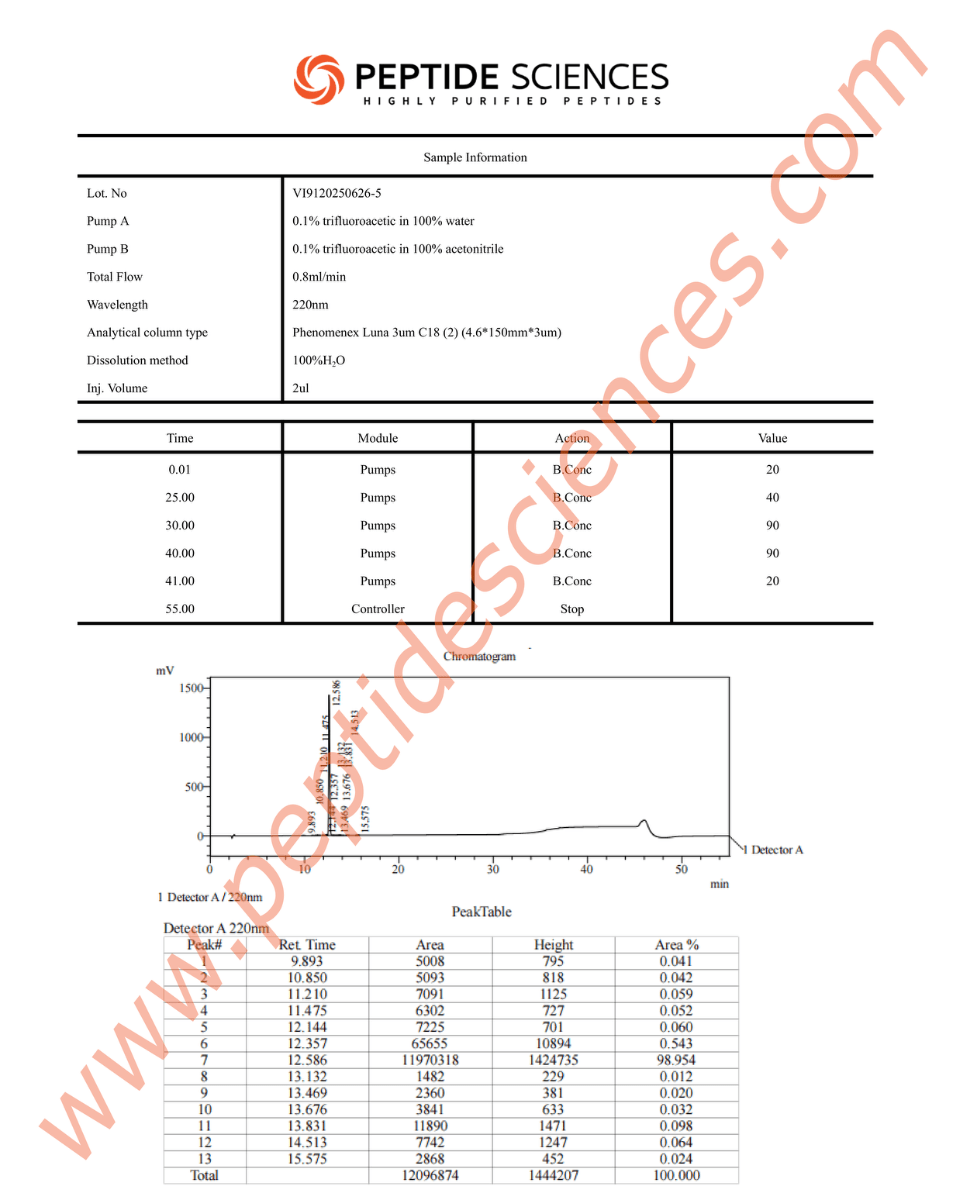
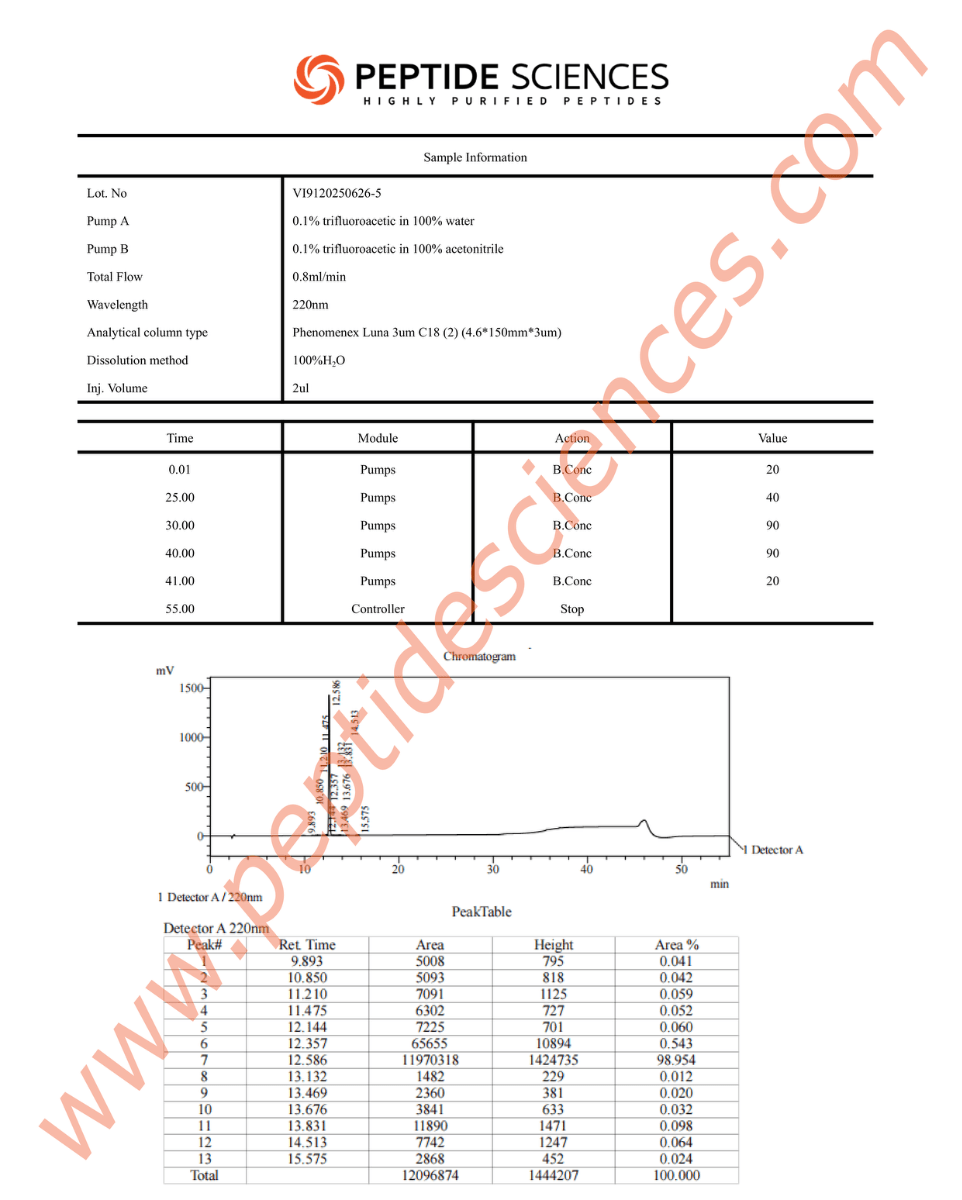
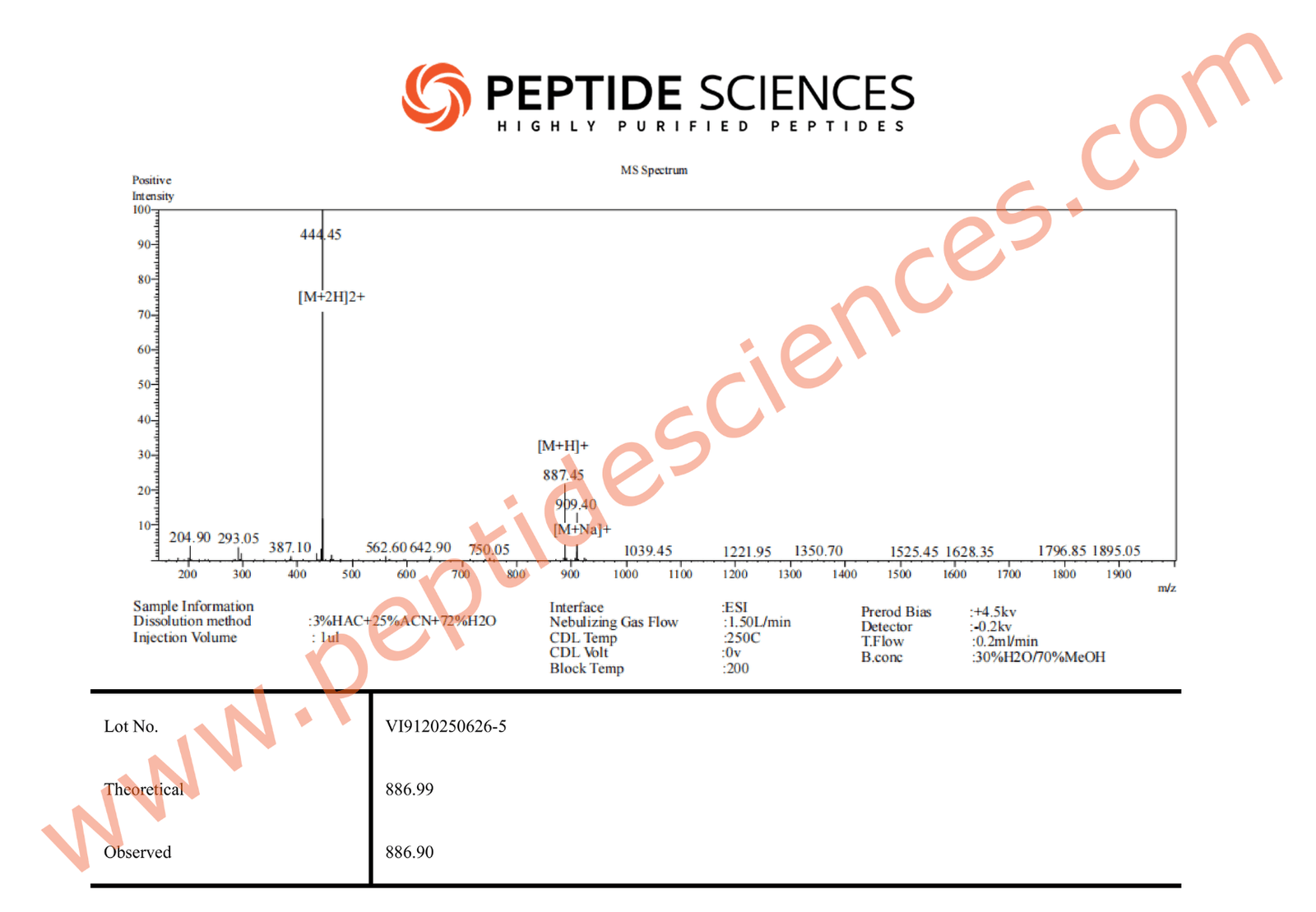
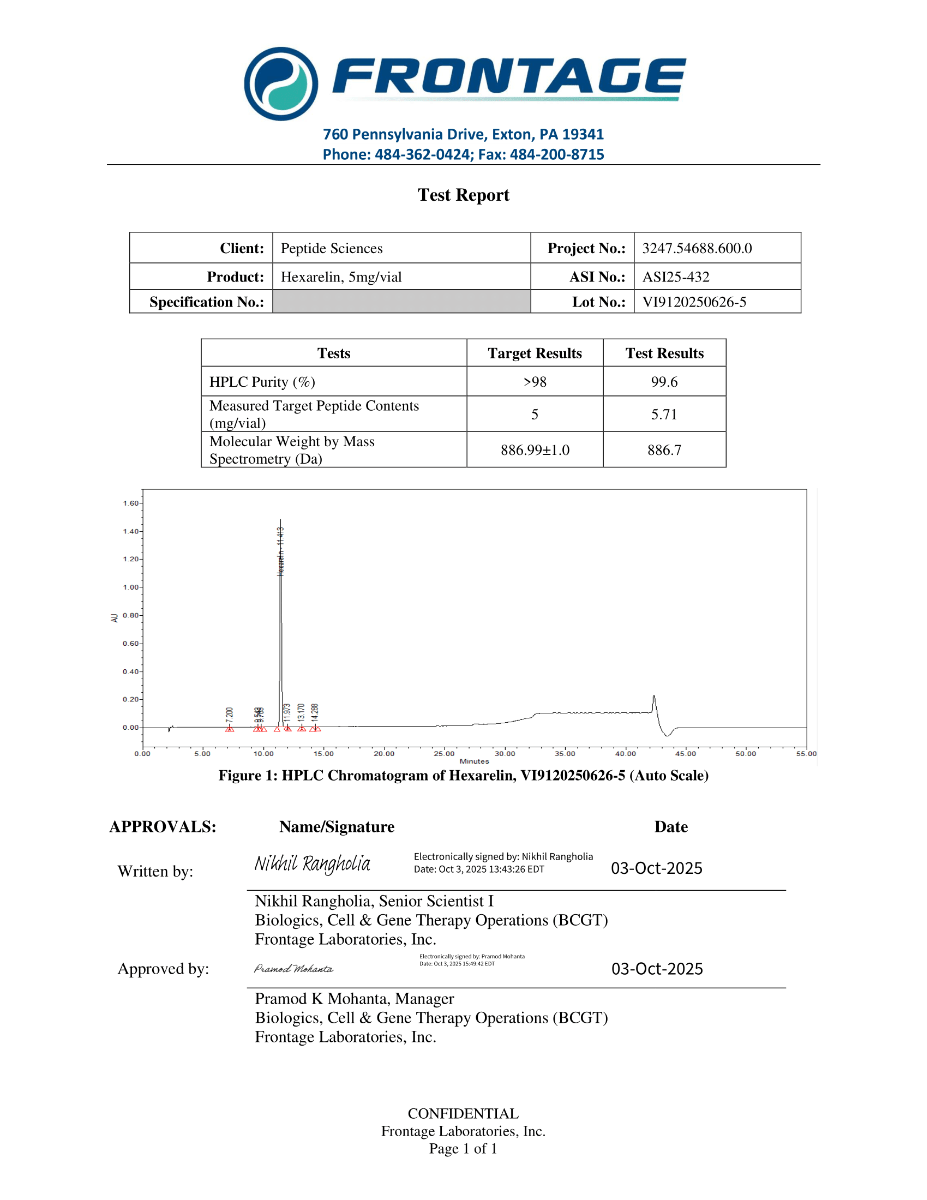
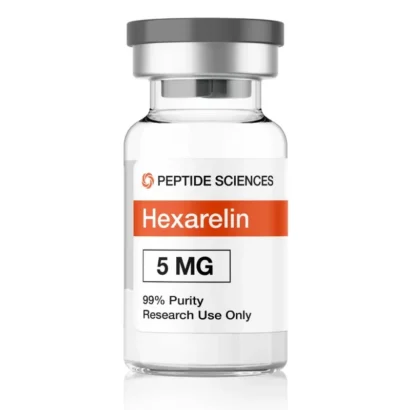


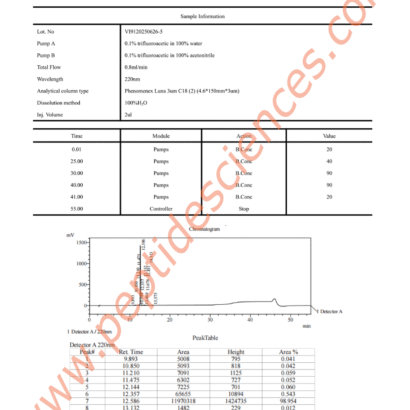

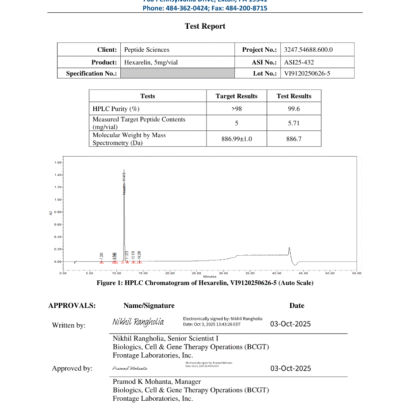
Hexarelin represents a remarkable example of peptide drug development, emerging from basic research on GH regulation to become a compound with diverse and potentially valuable pharmacological properties. Its primary action as a potent GH secretagogue is complemented by direct effects on the cardiovascular system, skeletal muscle, and neural tissue—effects mediated through both GHSR and alternative receptors such as CD36.
Price range: £80.00 through £785.00
Hexarelin (His-D-2-methyl-Trp-Ala-Trp-D-Phe-Lys-NH₂) is a synthetic hexapeptide belonging to the growth hormone-releasing peptide (GHRP) family. As a potent growth hormone (GH) secretagogue, it stimulates GH release through binding to the growth hormone secretagogue receptor (GHSR) type 1a, the same receptor targeted by the endogenous hormone ghrelin.
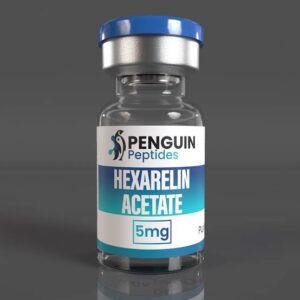
Beyond its well-characterized endocrine effects, hexarelin has demonstrated remarkable cardioprotective, neuroprotective, and metabolic properties that extend far beyond simple GH stimulation. This comprehensive review examines the chemistry, mechanism of action, clinical pharmacology, therapeutic potential, and safety profile of hexarelin, synthesizing evidence from preclinical studies and human clinical trials spanning three decades of research.
The discovery of growth hormone-releasing peptides (GHRPs) represented a significant advancement in neuroendocrinology. Hexarelin emerged as a second-generation synthetic hexapeptide, developed as an analog of GHRP-6 with enhanced stability and potency. Its chemical structure—His-D-2-methyl-Trp-Ala-Trp-D-Phe-Lys-NH₂—incorporates a D-2-methyl-tryptophan residue that confers resistance to enzymatic degradation and improves bioavailability.
Hexarelin’s development was driven by the need for orally and intranasally administrable GH secretagogues that could circumvent the limitations of injectable GH-releasing hormone (GHRH) and recombinant human GH (rhGH) therapy. Unlike GHRH, which acts exclusively through hypothalamic receptors, hexarelin operates through a distinct receptor system, enabling synergistic effects with GHRH and offering unique therapeutic possibilities.
The compound’s clinical relevance extends beyond its GH-releasing properties. Research over the past three decades has revealed that hexarelin exerts direct effects on cardiac tissue, skeletal muscle, neural cells, and metabolic pathways—actions mediated both through GHSR and through alternative receptors such as CD36. These findings have positioned hexarelin as a molecule of considerable interest for conditions ranging from GH deficiency and sarcopenia to cardiovascular disease and neurodegenerative disorders.
2.1 Structural Characteristics
Hexarelin is a synthetic hexapeptide with the amino acid sequence His-D-2-methyl-Trp-Ala-Trp-D-Phe-Lys-NH₂. The presence of D-amino acids (D-2-methyl-tryptophan and D-phenylalanine) is critical for its biological activity, conferring resistance to proteolytic degradation and enabling receptor binding. The molecular weight of hexarelin is approximately 887 Da.
2.2 Pharmacokinetic Profile
Hexarelin exhibits favorable pharmacokinetic properties that distinguish it from natural peptides like ghrelin. Following intravenous administration in humans, plasma GH concentrations peak at approximately 30 minutes and return to baseline within 240 minutes, with a half-life of approximately 55 minutes.
In rats, intravenous injection yields a half-life of 75.9 ± 9.3 minutes, a systemic clearance of 7.6 ± 0.7 mL/min/kg, and a volume of distribution at steady state of 744 ± 81 mL/kg. Subcutaneous administration in rats demonstrates dose-dependent half-lives ranging from 57.0 to 71.9 minutes. Alternative pharmacokinetic studies have reported a terminal half-life of up to 120 minutes following intravenous bolus administration.
Compared with ghrelin, hexarelin is chemically more stable and functionally more potent. This enhanced stability, combined with its ability to be administered via multiple routes—including intravenous, subcutaneous, intranasal, and oral—makes hexarelin a more practical therapeutic candidate than its endogenous counterpart.
3.1 Receptor Pharmacology
Hexarelin’s primary mechanism of action involves binding to the growth hormone secretagogue receptor type 1a (GHSR-1a), a G-protein-coupled receptor originally identified in the hypothalamus and pituitary. This receptor was later recognized as the physiological target for the endogenous hormone ghrelin. Activation of GHSR-1a triggers intracellular signaling cascades that culminate in GH synthesis and release from somatotrope cells of the anterior pituitary.
3.2 Hypothalamic and Pituitary Actions
The mechanism of hexarelin-induced GH secretion is multifaceted and involves both direct and indirect actions. Early research established that hexarelin acts through three distinct, non-mutually exclusive mechanisms:
1. A direct action on the pituitary—though of minor relevance
2. An indirect action involving release of GHRH—relevant primarily in adult animals
3. An action through release of a still-unknown hypothalamic “factor” that elicits GH release synergistically with GHRH
In humans, hexarelin may act directly on specific pituitary receptors and indirectly on the hypothalamus. The integrity of hypothalamic-pituitary connections is essential for hexarelin to express its full GH-releasing activity.
3.3 Synergy with GHRH
One of hexarelin’s most notable pharmacological features is its synergistic interaction with GHRH. Combined administration of hexarelin and GHRH induces GH release that exceeds the arithmetic sum of the increases induced by each compound separately. This synergy has important clinical implications, suggesting that combination therapy could achieve greater GH elevation than either agent alone while potentially using lower doses of each.
3.4 Resistance to Metabolic Inhibition
Hexarelin demonstrates remarkable resistance to metabolic factors that inhibit GH secretion. While oral glucose and lipid-heparin infusion nearly abolish the GH response to GHRH, they only partially blunt the somatotrope response to hexarelin.
Specifically, hexarelin elicits a GH response that is significantly higher than that observed after GHRH, and this response remains robust even in the presence of elevated glucose or free fatty acids. This metabolic resilience suggests that hexarelin may be particularly useful in conditions where metabolic disturbances impair endogenous GH secretion.
3.5 GH Autofeedback
The GH response to hexarelin is subject to negative autofeedback regulation. Administration of recombinant human GH blunts the GH-releasing effect of hexarelin by approximately 32%, whereas it nearly abolishes the response to GHRH (86% inhibition). This differential sensitivity suggests that hexarelin’s mechanism of action is less dependent on GHRH neuronal activity and more resistant to somatostatinergic inhibition than GHRH.
4.1 Potency Compared to GHRH and Other GHRPs
Hexarelin is recognized as one of the most potent GH secretagogues available. In human studies, hexarelin elicits GH release that is significantly greater than that induced by GHRH. In normal cycling women, hexarelin is a stronger GH-releasing peptide than GHRH.
Comparative studies have established hexarelin’s potency relative to other GHRPs. Hexarelin induces a significantly higher peak GH concentration compared to GHRP-6 and is generally considered more potent in stimulating GH release. This enhanced potency is attributed to its optimized molecular structure and favorable receptor binding characteristics.
4.2 Dose-Response Characteristics
The GH-releasing activity of hexarelin is dose-dependent. In humans, intravenous administration at doses of 0.5, 1, and 2 μg/kg produces progressively increasing GH responses. The most effective intravenous dose is 2 μg/kg. Following subcutaneous administration, doses of 1.5 μg/kg twice daily have been used in long-term studies.
4.3 Route of Administration
One of hexarelin’s key advantages is its versatility in administration. The peptide is effective via multiple routes:
· Intravenous: Produces rapid and profound GH release
· Subcutaneous: Effective for chronic administration
· Intranasal: Induces GH responses similar to intravenous administration
· Oral: Bioavailable and effective, though requiring higher doses (approximately 300 μg/kg)
The availability of non-injectable routes makes it particularly attractive for chronic therapeutic applications where patient compliance is a concern.
4.4 Desensitization and Tachyphylaxis
A critical consideration in hexarelin therapy is the phenomenon of desensitization. Chronic hexarelin therapy results in a partial and reversible attenuation of the GH response to the peptide. In a 16-week study of twice-daily subcutaneous hexarelin (1.5 μg/kg), the area under the GH curve decreased significantly from baseline at weeks 4 and 16, but returned to baseline levels four weeks after cessation of therapy.
However, intermittent treatment does not appear to desensitize the GH response. Studies of 8-day intranasal or 15-day oral treatment in elderly subjects showed maintained or even increased GH responses. The rapid attenuation of GH response within 1-2 weeks of continuous daily administration is attributed to GHSR-1a receptor downregulation and increased somatostatin tone.
5.1 GH-Independent Cardiac Actions
Perhaps the most intriguing aspect of pharmacology is its direct cardiovascular activity, which appears to be independent of GH release. The peripheral distribution of GHSR in the heart and blood vessels suggests that it might have direct cardiovascular actions beyond its neuroendocrine effects.
5.2 The CD36 Receptor Pathway
A major breakthrough in understanding cardiovascular effects came with the identification of CD36 as a specific cardiac receptor for the peptide. CD36 is a scavenger receptor that mediates cardioprotective effects through pathways distinct from GHSR activation. In isolated working hearts, hexarelin’s cardiac actions are mediated in part by GHSR-1a and largely by activation of the CD36 receptor.
5.3 Effects on Cardiac Function
Human studies have consistently demonstrated that acute hexarelin administration exerts a positive inotropic effect on the heart. In a study of seven male volunteers, it significantly increased left ventricular ejection fraction (LVEF) from 64.0% to 70.7% without significant changes in mean blood pressure or heart rate. The LVEF increase was observed at 15 minutes, peaked at 30 minutes, and lasted up to 60 minutes after administration.
These effects were observed in both normal subjects and patients with GH deficiency, but not in patients with dilated cardiomyopathy. The acute administration of hexarelin increases LVEF in normal subjects and even in patients with severe GH deficiency.
5.4 Cardioprotective Potential
Preclinical studies have revealed that hexarelin possesses cardioprotective activity in common cardiovascular conditions, including cardiac fibrosis, ischemic heart disease, cardiac dysfunction, and atherosclerosis. In animal models, it has been shown to protect against ischemia-induced myocardial damage and to attenuate heart failure by ameliorating myocardial remodeling.
When compared with ghrelin, hexarelin is chemically more stable and functionally more potent, making it a promising therapeutic agent for cardiovascular conditions. However, it must be noted that much of the cardioprotective evidence comes from animal models and has not yet been replicated in large human trials.
6.1 Glucose Metabolism and Insulin Sensitivity
It has been reported to regulate peroxisome proliferator-activated receptor gamma (PPAR-γ) in macrophages and adipocytes. This regulation has implications for glucose and fat metabolism. Importantly, its treatment improves whole-body insulin sensitivity without altering glucose tolerance, insulin levels, or insulin-like growth factor 1 (IGF-1) levels.
6.2 Beta Cell Protection
Both ghrelin and hexarelin have been investigated for their roles in the protection and regeneration of pancreatic beta cells. This suggests potential applications in diabetes management, particularly in preserving beta cell function and mass.
6.3 Lipid Metabolism
Through CD36 occupation, hexarelin increases the expression of multiple genes involved in fatty acid mobilization in adipocytes toward mitochondrial oxidative phosphorylation. This pathway may contribute to improved lipid metabolism and reduced fat accumulation.
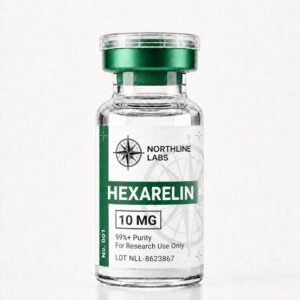
7.1 Age-Related Muscle Changes
Chronic treatment of aged rats with hexarelin has been shown to restore current kinetics of voltage-gated sodium channels in skeletal muscle. Moreover, It restored the firing capacity of fast-twitch muscle fibers. These findings support the possible therapeutic value of hexarelin in cases of GH deficiency, particularly in the elderly.
7.2 Muscle Wasting and Cachexia
It has emerged as a promising therapeutic candidate for muscle wasting conditions, including sarcopenia (age-related loss of muscle mass and function) and cachexia (severe muscle wasting associated with chronic disease). In preclinical models, hexarelin and other GHS molecules have been investigated for their potential to inhibit cisplatin-induced muscle loss. Administration of hexarelin markedly reduced cisplatin-induced alteration of calcium homeostasis in skeletal muscle and protected skeletal muscle from mitochondrial damage.
8.1 Retinal Ganglion Cell Protection
Hexarelin 5mg has demonstrated significant neuroprotective effects, particularly in the retina. As a growth hormone secretagogue receptor type 1a agonist with potent anti-apoptotic properties, hexarelin promotes the survival of retinal ganglion cells (RGCs) following optic nerve transection.
8.2 Mechanisms of Neuroprotection
The neuroprotective effect is accomplished through promotion of protein kinase B (Akt) phosphorylation and glycogen synthase kinase-3β inhibition. This peptide demonstrates anti-apoptotic effects on adult rat hippocampal progenitor cells. In neonatal models, hexarelin has been shown to be neuroprotective in vivo, with increased Akt signaling associated with downstream attenuation of caspase-dependent cell death.
It also protects neuronal cells from oxidative stress-induced cytotoxicity by activating molecules that regulate apoptosis and promote cell survival. These findings suggest potential applications in neurodegenerative diseases and acute neural injuries.
Administration during sleep has been shown to decrease slow-wave sleep while stimulating the secretion of GH, ACTH, cortisol, and prolactin. Following administration, stage 4 sleep during the first half of the night and EEG delta power during the total night decreased significantly. Significant increases in GH and prolactin concentrations occurred during the total night, with ACTH and cortisol elevations during the first half of the night.
This sleep-disrupting effect must be considered in the context of therapeutic use, particularly if evening or nighttime administration is contemplated.
10.1 Endocrine Effects
It stimulates cortisol via ACTH and prolactin more than other GHS peptides, with potential metabolic and endocrine consequences during sustained use. The elevation of cortisol and prolactin is dose-dependent and more pronounced than with GHRP-6 at comparable doses.
However, the clinical significance of these elevations appears limited. A 16-week study of twice-daily subcutaneous demonstrated that over-stimulation of the pituitary-adrenal axis and prolactin secretion does not occur with this dosing regimen. While the area under the cortisol curve decreased significantly after 16 weeks of therapy, 24-hour urinary free cortisol showed no significant changes, suggesting that these alterations are unlikely to be of clinical significance.
10.2 Common Side Effects
Documented side effects include:
· Increased appetite (10-30% incidence): Resulting from GHS-R1a activation and ghrelin-mimetic activity at hypothalamic feeding centers
· Water retention (10-30% incidence)
· Cortisol elevation (1-10% incidence)
· Paresthesia (1-10% incidence): Tingling or numbness in extremities
· Flushing: Reported but less common
10.3 Injection Site Reactions
Subcutaneous administration may cause localized redness and mild swelling at injection sites, similar to other GHRPs.
10.4 Desensitization and Tolerance
The most significant limitation for chronic hexarelin use is the development of desensitization. Rapid attenuation of GH response within 1-2 weeks of continuous daily administration occurs due to GHSR-1a receptor downregulation and increased somatostatin tone. Users who extend cycles beyond 8 weeks risk diminishing returns. This tachyphylaxis makes continuous uninterrupted use less practical than protocols using GHRH analogs.
10.5 Long-Term Safety Considerations
The potential adverse effects of repeated episodes of transient hyperprolactinemia and hypercortisolemia during long-term therapy have raised concern. However, controlled studies suggest that with appropriate dosing regimens, these concerns may be manageable. The partial and reversible nature of GH response attenuation provides reassurance that the effects are not permanent.
11.1 Growth Hormone Deficiency
It has been evaluated in various GH-deficient states. The peptide stimulates GH secretion in patients with idiopathic GH deficiency and in patients with GH deficiency who have a residual vascular component of the pituitary stalk. In short children, elderly subjects, critically ill patients, and adult patients with GH deficiency, increases in IGF-I have been shown following GHS treatment.
11.2 Aging and Age-Related Decline
Given the reduced function of the GH-IGF-I axis in aging, It has been investigated as a potential intervention for age-related decline. Studies suggest that prolonged treatment with hexarelin may restore reduced GH release in aging. The restoration of skeletal muscle properties in aged rats further supports this application.
11.3 Cardiovascular Disease
The cardioprotective properties of hexarelin position it as a potential therapeutic agent for cardiovascular conditions. However, it is important to note that hexarelin has no approved indication in any jurisdiction, and the cardioprotective research, while published in high-credibility journals, comes primarily from animal models and has not been replicated in large human trials.
11.4 Muscle Wasting Disorders
It’s ability to protect against muscle wasting in preclinical models suggests potential applications in sarcopenia and cachexia. These conditions represent significant unmet medical needs, and hexarelin’s dual action on GH release and direct muscle effects make it an intriguing candidate.
11.5 Neuroprotection
The neuroprotective effects, particularly on retinal ganglion cells and in models of oxidative stress, suggest potential applications in neurodegenerative conditions and neural injuries.
12.1 Hexarelin vs. GHRP-6
It is an analog of GHRP-6 with enhanced properties. It induces a significantly higher peak GH concentration compared to GHRP-6. Notably, while GHRP-6 is a strong appetite stimulant, this side effect is not prominently associated with hexarelin.
12.2 Hexarelin vs. Ipamorelin
It is more potent than ipamorelin in stimulating GH release. However, ipamorelin is associated with fewer elevations in cortisol and prolactin, making it a potentially better-tolerated option for some users.
12.3 Hexarelin vs. Ghrelin
Compared with ghrelin, hexarelin is chemically more stable and functionally more potent. It also has a longer half-life than ghrelin. These properties make hexarelin a more practical therapeutic agent than the unstable natural peptide ghrelin.
It currently has no approved therapeutic indication in any jurisdiction. It is classified as a research peptide and is not approved for human use outside of controlled clinical trials. The lack of regulatory approval reflects the need for larger, longer-term clinical studies to establish safety and efficacy for specific indications.
Future research directions for hexarelin should include:
1. Large-scale human trials for cardiovascular applications to confirm preclinical findings
2. Long-term safety studies to fully characterize the effects of chronic administration
3. Dosing optimization studies to balance efficacy with desensitization
4. Exploration of combination therapies leveraging it’s synergy with GHRH
5. Investigation of targeted applications in specific patient populations, such as the elderly, GH-deficient patients, and those with muscle wasting disorders
Hexarelin represents a remarkable example of peptide drug development, emerging from basic research on GH regulation to become a compound with diverse and potentially valuable pharmacological properties. Its primary action as a potent GH secretagogue is complemented by direct effects on the cardiovascular system, skeletal muscle, and neural tissue—effects mediated through both GHSR and alternative receptors such as CD36.
The compound’s favorable pharmacokinetic profile, including stability, multiple routes of administration, and resistance to metabolic inhibition, distinguishes it from both natural peptides like ghrelin and earlier GHRPs. However, the development of desensitization with continuous use and the lack of large-scale clinical trial data remain significant barriers to clinical translation.
While it has not yet achieved regulatory approval for any indication, the body of evidence accumulated over three decades of research supports continued investigation. Its potential applications in GH deficiency, age-related decline, cardiovascular disease, muscle wasting, and neuroprotection make it a compound of considerable scientific and therapeutic interest. As research continues, hexarelin may yet fulfill its promise as a versatile therapeutic agent, provided that the challenges of desensitization and the need for rigorous clinical validation can be addressed.
| Dosage | 5mg, 10mg |
|---|---|
| Quantity | 1 Vial, 2 Vials, 5 Vials, 10 Vials |