Currently Empty: £0.00

Call Us:


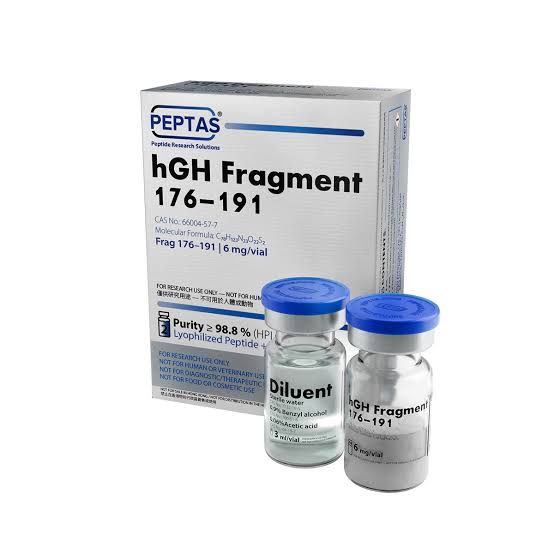

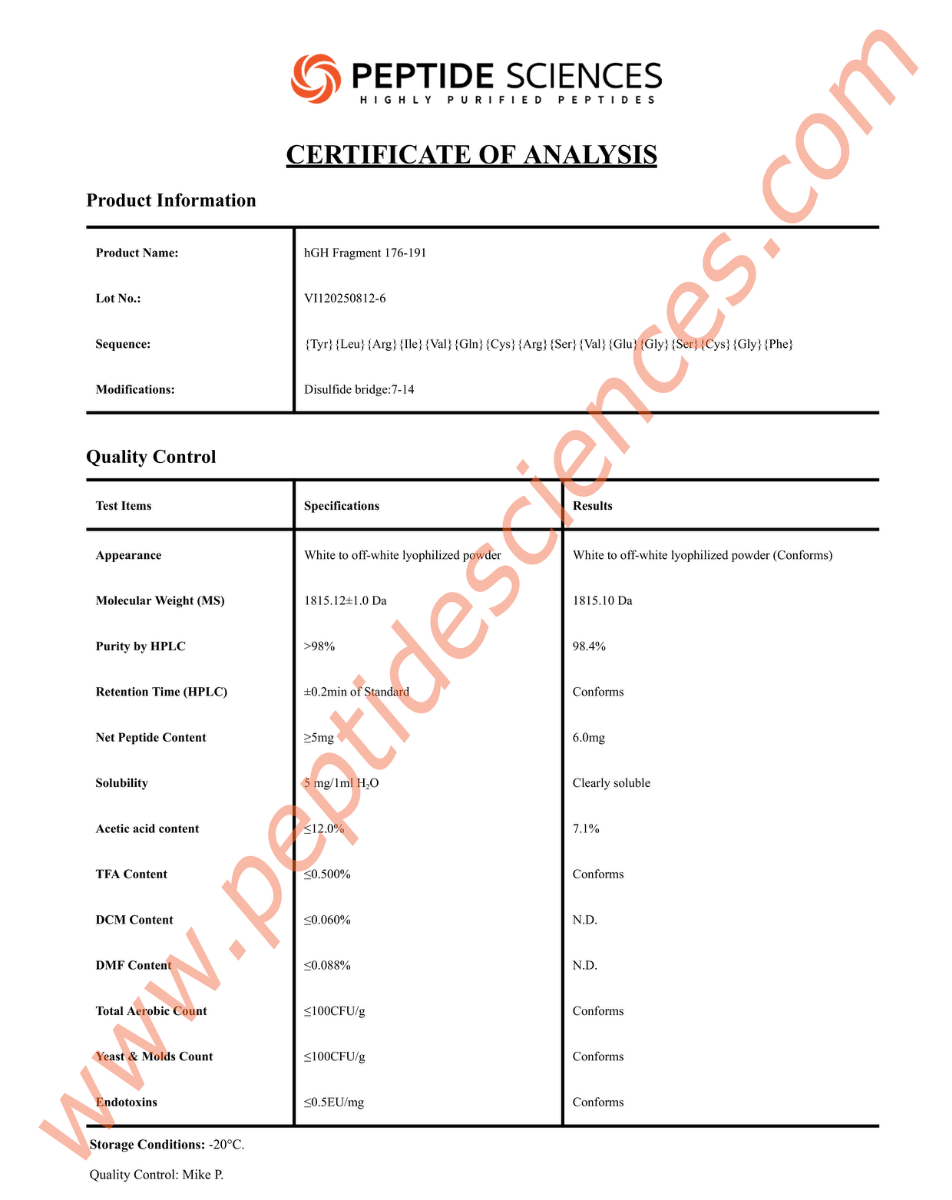
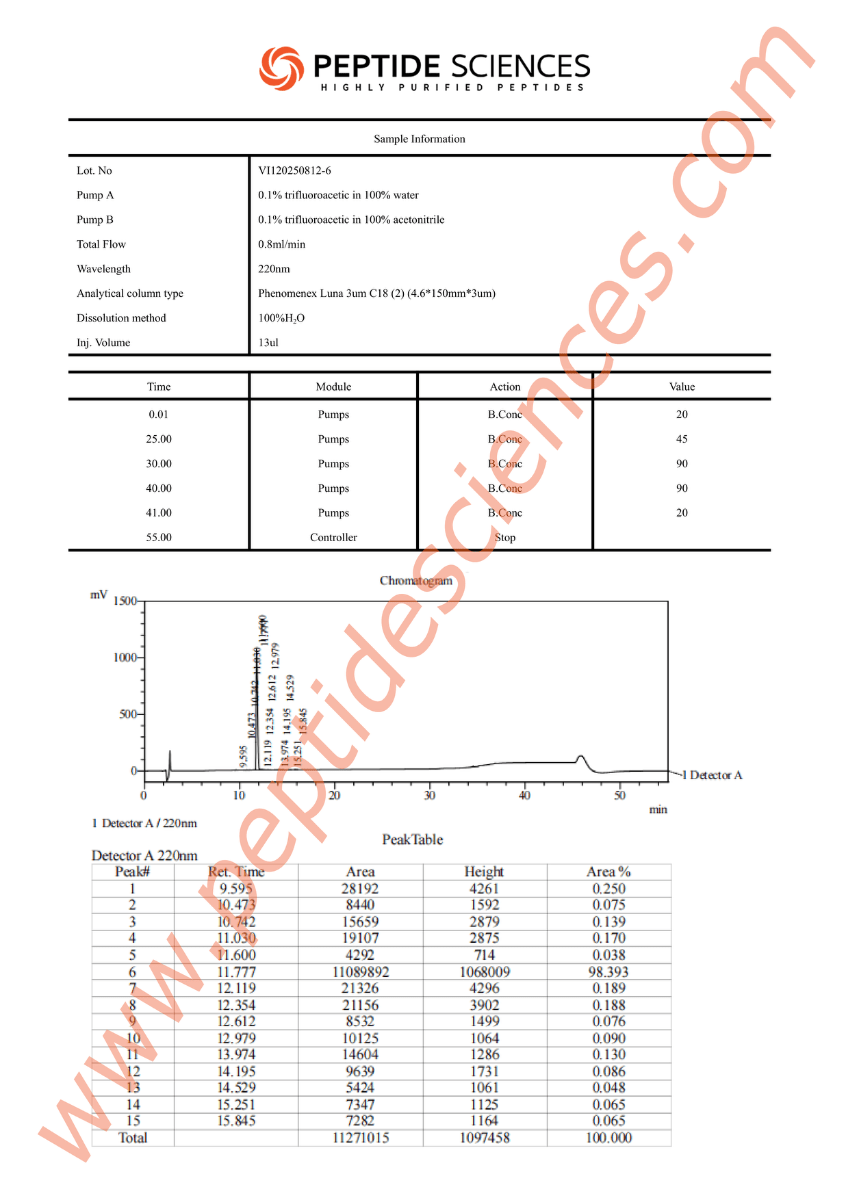
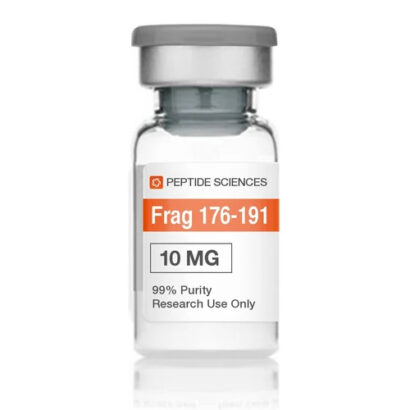
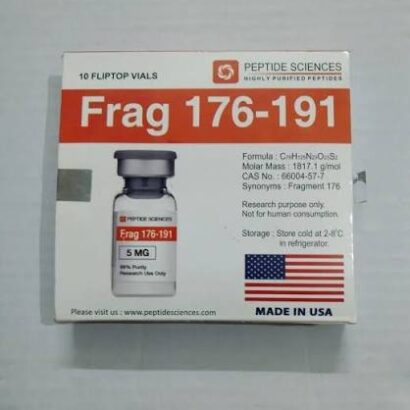
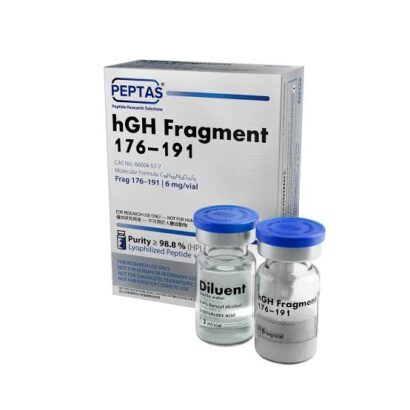
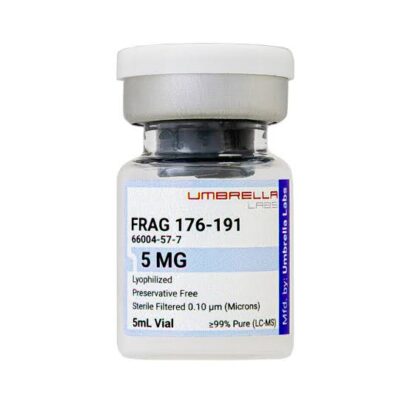
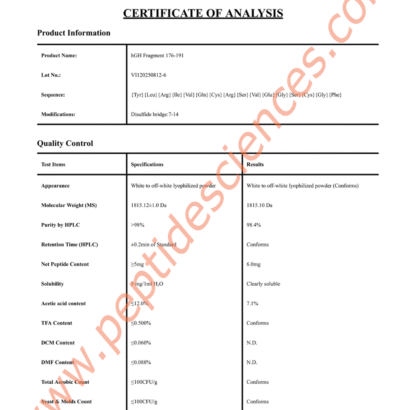
HGH Fragment 176-191 represents a fascinating case study in the gap between preclinical promise and clinical reality. The peptide was rationally designed based on sound scientific principles—isolating the fat-burning domain of growth hormone while eliminating its growth-promoting and diabetogenic effects. Preclinical studies in rodents demonstrated consistent and sometimes impressive fat-reduction results.
Price range: £65.00 through £730.00
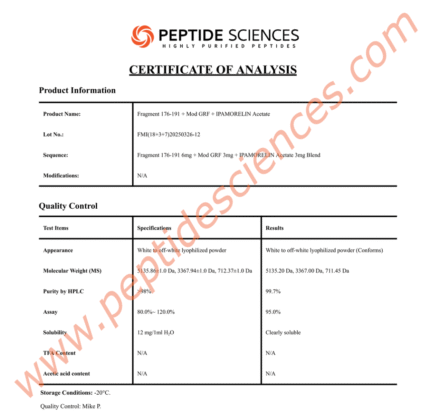
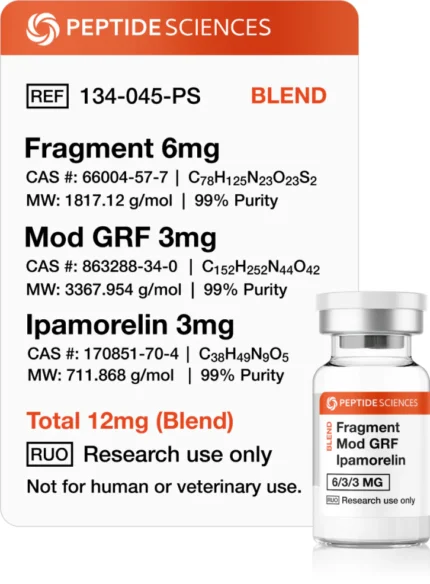
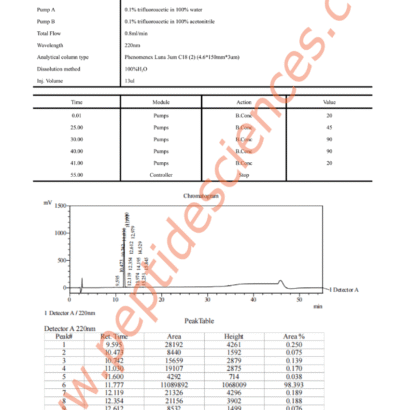
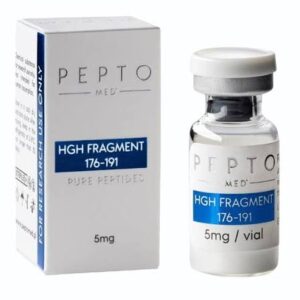
HGH Fragment 176-191 is a synthetic peptide derived from the C-terminal region of human growth hormone (hGH), comprising amino acid residues 176 through 191 of the full 191-amino-acid hGH molecule. With a molecular weight of approximately 1,817 Daltons and the sequence Leu-Arg-Ile-Val-Gln-Cys-Arg-Ser-Val-Glu-Gly-Ser-Cys-Gly-Phe, this fragment has attracted significant attention in the research community for its purported ability to stimulate fat metabolism without the systemic hormonal effects associated with full-length growth hormone.

Discovered through systematic structure-function mapping conducted by Professor Frank M. Ng and colleagues at Monash University in Australia during the early 1990s, the fragment was identified as the minimal lipolytic domain of growth hormone.
The seminal work by Wu and Ng in 1993 demonstrated that the synthetic C-terminal peptide hGH(177-191) exhibited the same anti-lipogenic activity as full-length growth hormone when tested on isolated adipocytes, yet completely lacked the hormone’s growth-promoting and diabetogenic effects. This discovery laid the foundation for decades of subsequent research and commercial interest.
For individuals considering its use, the evidence does not support strong efficacy claims. The peptide is FDA-approved, is prohibited by WADA for athletes, and carries risks associated with research-grade sourcing, including potential contamination and unknown long-term effects. Any use should be approached with extreme caution and under proper medical supervision—though most physicians will not prescribe it given its lack of regulatory approval and limited evidence base.
The honest assessment of HGH Fragment 176-191 is that the animal evidence is real but the human evidence is weak to absent. Until well-designed, large-scale human trials are conducted on the unmodified fragment, its role in human health and performance remains firmly in the realm of research and speculation, not established medical practice.HGH Fragment 176-191: A Comprehensive Production
HGH Fragment 176-191 represents a precise structural domain of the native growth hormone molecule. The peptide contains 16 amino acids and features a stable intramolecular disulfide bond between the two cysteine residues at positions 7 and 14 of the fragment sequence, corresponding to Cys182 and Cys189 in the full-length hormone. This structural feature helps maintain the peptide’s three-dimensional conformation, which is critical for its biological activity.
The three-dimensional solution structure of the peptide was determined by Ogru and colleagues in 2000 using two-dimensional proton nuclear magnetic resonance spectroscopy. Understanding this structure has been essential for elucidating how the fragment interacts with cellular targets to produce its metabolic effects.
The honest assessment of HGH Fragment 176 191 is that the animal evidence is real but the human evidence is weak to absent. Until well-designed, large-scale human trials are conducted on the unmodified fragment, its role in human health and performance remains firmly in the realm of research and speculation, not established medical practice. HGH Fragment 176 191: A Comprehensive Production
Lipolytic Pathway
The primary mechanism of HGH Fragment 176-191 involves selective activation of lipolytic pathways in adipose tissue. Unlike full-length growth hormone, which binds to growth hormone receptors and triggers widespread systemic effects including IGF-1 elevation, the fragment appears to engage with more localized pathways connected to lipid mobilization and energy turnover.
The proposed mechanism involves two key steps:
1. Stimulation of lipolysis: Fragment 176-191 binds to beta-3 adrenergic receptors on adipocytes, a pathway that stimulates hormone-sensitive lipase (HSL) and promotes the breakdown of triglycerides into free fatty acids.
2. Suppression of lipogenesis: The peptide may inhibit acetyl-CoA carboxylase, the rate-limiting enzyme in fatty acid synthesis, thereby reducing the formation of new fat stores.
A 2008 study published in the Journal of Endocrinology found that GH fragment 176-191 increased lipid oxidation in test systems and did not stimulate IGF-1 or GH signaling like full-length growth hormone.
Absence of Systemic Hormonal Effects
A defining characteristic of HGH Fragment 176-191 is its lack of systemic hormonal activity. The fragment was engineered to mimic the lipolytic domain of GH without activating the broader GH/IGF-1 axis. This selectivity is achieved because the receptor-binding domains responsible for IGF-1 production and diabetogenic effects are located at positions 1 to 175 of the full hormone, which are absent in the fragment.
Early investigations suggest that Fragment 176-191 may alter the cAMP/PKA axis, a signaling cascade involved in fat metabolism, without engaging the full GH receptor pathway. This targeted mechanism theoretically allows for fat reduction without the undesirable side effects associated with growth hormone therapy.
For individuals considering its use, the evidence does not support strong efficacy claims. The peptide is FDA-approved, is prohibited by WADA for athletes, and carries risks associated with research-grade sourcing, including potential contamination and unknown long-term effects. Any use should be approached with extreme caution and under proper medical supervision—though most physicians will not prescribe it given its lack of regulatory approval and limited evidence base.
The honest assessment of HGH Fragment 176-191 is that the animal evidence is real but the human evidence is weak to absent. Until well-designed, large-scale human trials are conducted on the unmodified fragment, its role in human health and performance remains firmly in the realm of research and speculation, not established medical practice.HGH Fragment 176-191: A Comprehensive Production
Fat Metabolism and Weight Management
The primary research application for HGH Fragment 176-191 has been in the area of fat metabolism and weight management. The peptide is designed to regulate fat metabolism by stimulating lipolysis (the breakdown of fat) and inhibiting lipogenesis (the transformation of nonfat food materials into body fat).
Research suggests that the fragment may support fat oxidation, influence lipolysis pathways in adipose tissue, and reduce body-fat accumulation. Some studies have indicated that it may suppress lipoprotein lipase activity in adipose tissue, contributing to reduced fat deposition.
Cartilage Regeneration and Tissue Healing
Beyond fat metabolism, exploratory research has evaluated potential roles for HGH Fragment 176-191 in cartilage repair and tissue healing. When combined with hyaluronic acid in osteoarthritic rabbit models, the peptide promoted cartilage regeneration, suggesting potential applications beyond fat loss. However, human clinical evidence in these areas remains extremely limited.
Cancer Research Applications
An unexpected line of research has emerged from studies on the peptide’s potential anti-cancer properties. In silico analysis has shown that HGH Fragment 176-191 binds with high affinity to Ki-67, MiB protein, and the estrogen receptor. A 2022 study published in Drug Design, Development and Therapy demonstrated that the peptide enhanced the toxicity of doxorubicin-loaded chitosan nanoparticles against MCF-7 breast cancer cells in vitro. While intriguing, these findings remain at a very early, preclinical stage.
For individuals considering its use, the evidence does not support strong efficacy claims. The peptide is FDA-approved, is prohibited by WADA for athletes, and carries risks associated with research-grade sourcing, including potential contamination and unknown long-term effects. Any use should be approached with extreme caution and under proper medical supervision—though most physicians will not prescribe it given its lack of regulatory approval and limited evidence base.
The honest assessment of HGH Fragment 176-191 is that the animal evidence is real but the human evidence is weak to absent. Until well-designed, large-scale human trials are conducted on the unmodified fragment, its role in human health and performance remains firmly in the realm of research and speculation, not established medical practice.HGH Fragment 176-191: A Comprehensive Production
The AOD-9604 Distinction
Perhaps the most critical fact to understand about HGH Fragment 176-191 is the distinction between the unmodified fragment and its modified analog, AOD-9604. AOD-9604 (Anti-Obesity Drug 9604) consists of the same core 176-191 sequence but with an N-terminal tyrosine residue substituted for the native leucine at position 176, creating a 16-residue peptide (Tyr-hGH 177-191). This single amino acid modification was introduced to improve peptide stability and oral bioavailability.
Crucially, all six human clinical trials involving over 890 total participants were conducted exclusively with the AOD-9604 (tyrosine-modified) form. The unmodified HGH Fragment 176-191 has never been tested in human clinical trials. This means that human safety and efficacy data cannot be directly extrapolated to the unmodified peptide that is sold on the research market.
The Heffernan 2001 Human Trial
The Heffernan 2001 study remains the only published human trial of the unmodified fragment 176-191. In this study, obese subjects received either 300 mcg twice daily or placebo for 12 weeks. The results were unequivocal: no statistically significant difference in weight loss, body composition, or metabolic markers was observed between the groups.
This contrasts dramatically with mouse studies that showed consistent 12-23% body fat reduction using the identical peptide preparation. The same research group that conducted the human trial had previously demonstrated robust fat loss in genetically obese mice. This translation failure from animal models to humans raises serious questions about the peptide’s bioavailability and efficacy in humans.
AOD-9604 Clinical Development
The modified analog AOD-9604 underwent more extensive clinical development. After initial promise in Phase I and IIa trials, the compound failed its Phase IIb primary endpoint of weight loss. The FDA rejected the marketing application in 2007, effectively ending pharmaceutical interest in HGH fragments for obesity treatment. The modified analogue completed Phase 3 obesity trials but did not achieve its primary weight-loss endpoint.
Evidence Summary
In summary, the evidence landscape for HGH Fragment 176-191 can be characterized as follows:
· Preclinical evidence: Strong, with rodent studies showing consistent fat reduction
· Human evidence: Weak to absent for the unmodified fragment
· Modified analog (AOD-9604): Failed to demonstrate sufficient efficacy in clinical trials
Research Protocols
The most widely used research dosage is 250 to 500 mcg per injection, once or twice daily, for a daily total of 500 to 1,000 mcg. These figures derive from preclinical rodent studies and the AOD-9604 clinical program, not from large approved-drug trials. No controlled human trial has established an optimal dose for unmodified fragment 176-191.
Administration Guidelines
Based on research protocols:
· Route: Subcutaneous injection
· Frequency: 1-2 times daily
· Timing: Morning fasted and/or before bed on an empty stomach; allow at least 30 minutes before eating
· Cycle duration: 4-8 weeks on, followed by 2-4 weeks off
· Storage: Lyophilized powder at 2-8°C or frozen; after reconstitution, refrigerate and use within 14-21 days; do not freeze reconstituted solution
Reconstitution
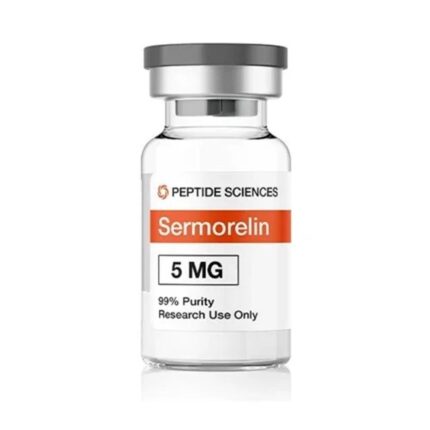
For a 5 mg vial, adding 2 mL of bacteriostatic water yields 2,500 mcg per mL. A 500 mcg dose would be 0.20 mL, or the 20-unit mark on a 100-unit insulin syringe.
It is important to note that these protocols are extrapolated from animal studies and not validated by human clinical trials. The subcutaneous bioavailability in humans remains unestablished.
Reported Side Effects
The most commonly reported side effects of HGH Fragment 176-191 include:
· Injection-site pain, redness, and transient swelling
· Sleepiness and lethargy
· Headache and fatigue
Absence of Full-GH Side Effects
Systemic effects typically seen with full-length growth hormone—such as edema (tissue swelling), carpal tunnel syndrome, and insulin resistance—are not mechanistically expected from the fragment alone.
Across six clinical trials with AOD-9604 (IV and oral dosing), the peptide did not alter vital signs, ECG findings, glucose levels, or serum IGF-1, and was devoid of insulin resistance or impaired glucose tolerance. Adverse events reported were generally mild and comparable to placebo.
Safety Caveats
Several important caveats must be emphasized:
1. No long-term safety data are available for either the fragment or its analog
2. Formal human safety data are nearly absent for the unmodified fragment
3. No carcinogenicity studies have been published
4. The largest practical safety risk for most users is not the peptide itself but endotoxin contamination and sequence impurities in research-grade material
For individuals considering its use, the evidence does not support strong efficacy claims. The peptide is FDA-approved, is prohibited by WADA for athletes, and carries risks associated with research-grade sourcing, including potential contamination and unknown long-term effects. Any use should be approached with extreme caution and under proper medical supervision—though most physicians will not prescribe it given its lack of regulatory approval and limited evidence base.
The honest assessment of HGH Fragment 176 191 is that the animal evidence is real but the human evidence is weak to absent. Until well-designed, large-scale human trials are conducted on the unmodified fragment, its role in human health and performance remains firmly in the realm of research and speculation, not established medical practice. HGH Fragment 176 191: A Comprehensive Production
Feature HGH Fragment 176-191 AOD-9604
Sequence Native 176-191 (Leu at position 176) Modified (Tyr at position 176)
Human trials None Six trials, >890 participants
Clinical outcome Unknown Failed Phase IIb/III endpoints
FDA status Not approved Not approved
The research-peptide market almost universally labels products as “176-191,” but the naming is loose. The natural sequence corresponds to roughly residues 177 to 191, but the market commonly uses “176-191”. More importantly, the unmodified fragment is not the same molecule as AOD-9604, and most of the cleaner, better-documented lipolysis experiments were actually run on the modified analog.

User Experiences
Community reports on HGH Fragment 176-191 are mixed at best. The dominant community experience is that most users report nothing—no measurable fat loss after 6-12 week cycles at 250-500 mcg daily. A small number of users report marginally improved body composition, but they are typically also dieting.
One user reported losing approximately 9 pounds in 10 weeks, describing it as helpful for breaking through a plateau when diet and training alone were insufficient. However, the same user emphasized that it is “not a miracle” and that one “won’t lose 20 pounds in a month”.
A common practical complaint is that the injection “stings really badly” upon administration—worse than most other peptides.
Bioavailability Concerns
The translation failure from animal models to humans may be explained by unestablished subcutaneous bioavailability in humans. Reconstituted peptide undergoes gradual degradation at refrigerator temperature, with many users reporting reduced efficacy after approximately two weeks.
HGH Fragment 176-191 represents a fascinating case study in the gap between preclinical promise and clinical reality. The peptide was rationally designed based on sound scientific principles—isolating the fat-burning domain of growth hormone while eliminating its growth-promoting and diabetogenic effects. Preclinical studies in rodents demonstrated consistent and sometimes impressive fat-reduction results.
However, the human evidence tells a different story. The unmodified fragment has never been tested in human clinical trials. Its modified analog, AOD-9604, underwent extensive clinical development only to fail its primary efficacy endpoints. The single published human trial of the unmodified fragment found no significant effect on weight loss or body composition.
For researchers, HGH Fragment 176-191 remains an interesting compound for further investigation, particularly regarding its mechanism of action, potential applications in cancer research, and the reasons for the apparent translation failure from animal models to humans.
For individuals considering its use, the evidence does not support strong efficacy claims. The peptide is FDA-approved, is prohibited by WADA for athletes, and carries risks associated with research-grade sourcing, including potential contamination and unknown long-term effects. Any use should be approached with extreme caution and under proper medical supervision—though most physicians will not prescribe it given its lack of regulatory approval and limited evidence base.
The honest assessment of HGH Fragment 176-191 is that the animal evidence is real but the human evidence is weak to absent. Until well-designed, large-scale human trials are conducted on the unmodified fragment, its role in human health and performance remains firmly in the realm of research and speculation, not established medical practice.HGH Fragment 176-191: A Comprehensive Production
| Dosage | 5mg, 10mg |
|---|---|
| Quantity | 1 Vial, 2 Vials, 5 Vials, 10 Vials |